THE ADVENTURE COLLECTIVE® · Independent discovery and booking for outdoor travel

An intense two-day itinerary that pairs the WWI battlefields of Gallipoli with the ancient ruins of Troy. Expect long transfers, early starts, and immersive guided visits that balance military history with archaeological discovery.
An intense two-day itinerary that pairs the WWI battlefields of Gallipoli with the ancient ruins of Troy. Expect long transfers, early starts, and immersive guided visits that balance military history with archaeological discovery.
The bus slips away from Istanbul before dawn, the Bosphorus shrinking behind the city as the Dardanelles opens like a line on a map. By mid-morning the landscape shifts: scrubby slopes, low limestone ridges and the flat beaches where soldiers once landed come into view. At Gallipoli the wind carries the voices of history—the memorials stand plain against the sky and trenches cut into the earth still hold a sharp, patient silence.
Verified experiences and guided adventures in the surrounding area.
Operated by Crowded House Tours · Çanakkale, Çanakkale Province
The bus slips away from Istanbul before dawn, the Bosphorus shrinking behind the city as the Dardanelles opens like a line on a map. By mid-morning the landscape shifts: scrubby slopes, low limestone ridges and the flat beaches where soldiers once landed come into view. At Gallipoli the wind carries the voices of history—the memorials stand plain against the sky and trenches cut into the earth still hold a sharp, patient silence.
Gallipoli is a narrow, strategic peninsula shaped by the Dardanelles; its cliffs and coves were decisive in the 1915 campaign that drew Australian, New Zealand, British and Ottoman forces into a brutal confrontation. The next day moves back in time to Troy—layers of settlements from 3000 BCE onward reveal a city rebuilt through millennia, its mudbrick foundations and massive stone walls telling a story Homer made famous.
Culture in Çanakkale is maritime and modest: small seafood restaurants, a naval museum that explains the Dardanelles’ strategic role, and local guides who frame the campaign from Turkish and Allied vantage points. Geology here is visible—limestone terraces, coastal erosion and the shallow currents of the strait that once shaped naval strategy.
Practical guide: expect long transfer times (Istanbul–Eceabat/Çanakkale ≈ 4–5 hours each way), early hotel pickups, and several hours on foot around memorials and excavation sites. Wear sturdy walking shoes for uneven trenches and archaeological ruins, carry water and sun protection, and plan quiet, respectful behavior at military cemeteries. Accommodation is a single night in a local hotel; use the free morning in Çanakkale to visit the Naval Museum or the Troy museum before the guided afternoon visit. Travel light, keep identification handy for entrance checks, and allow time to absorb both the landscape and its layered histories.
moderate.
2 days, 1 night.
Suitable for people who can handle several hours of walking over uneven terrain and short stair sections; not strenuous but requires mobility.
Yes; admission to the included sites is noted in the itinerary and typically covered by the tour price.
Expect approximately 4–5 hours each way depending on traffic and ferry schedules; the tour includes transfers and hotel pickup.
The tour uses a local 3-star hotel in Çanakkale (bed and breakfast); rooms are basic but suitable for a single overnight stay.
The tour is described as suitable for all fitness levels, but trenches and ruins have uneven ground and some stairs—mobility limitations may make parts of the itinerary difficult.
Gallipoli was the site of a major 1915 campaign in WWI with ANZAC and Ottoman forces; Troy contains archaeological layers dating from ca. 3000 BCE through the Iron Age and is linked with Homeric legend.
Stick to marked paths at archaeological sites to prevent erosion; avoid touching exposed ruins and support local museums that fund preservation efforts.
Crowded House Tours operates guided outdoor trips and adventures with an emphasis on safety, stewardship, and memorable experiences.
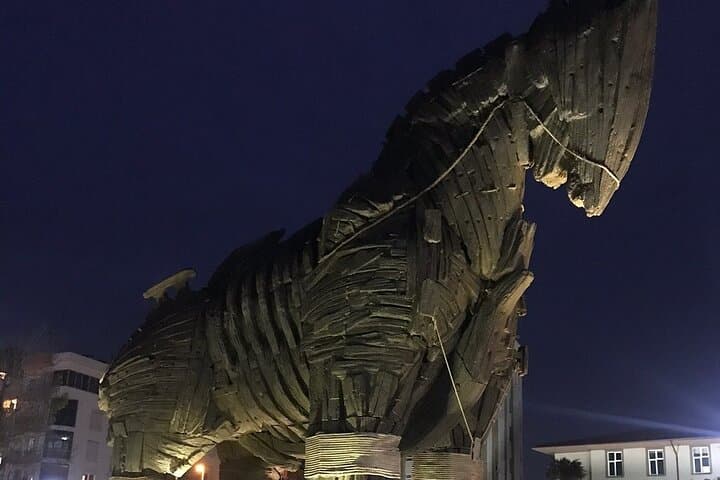
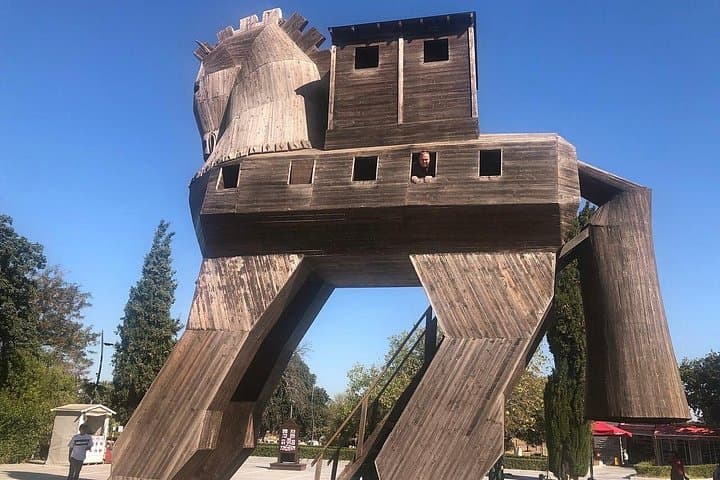
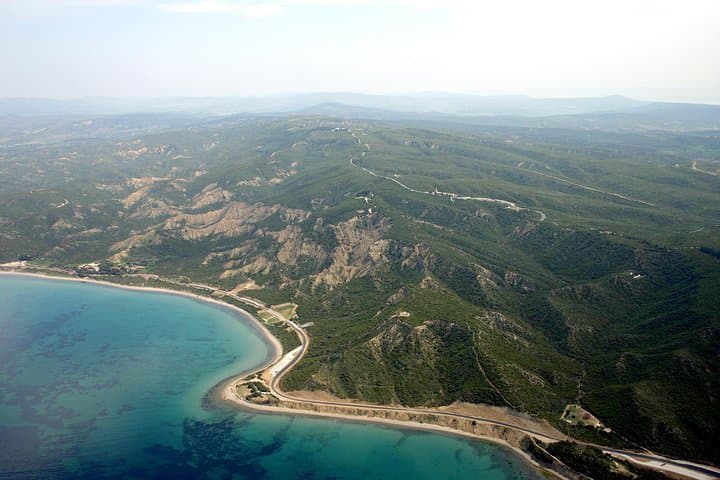
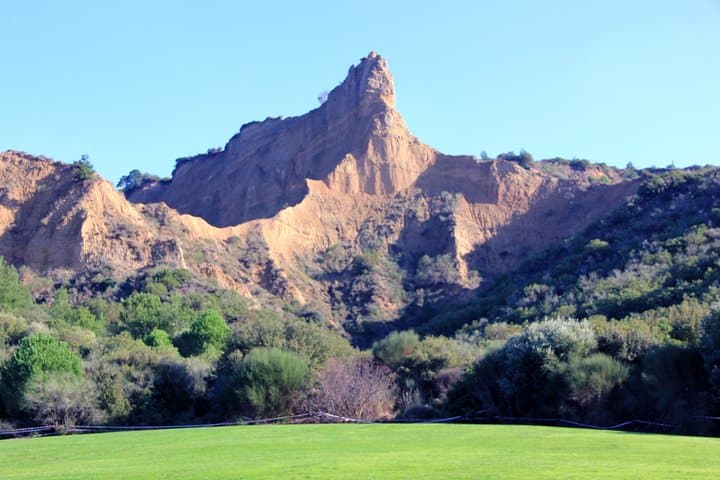
The bus slips away from Istanbul before dawn, the Bosphorus shrinking behind the city as the Dardanelles opens like a line on a map. By mid-morning the landscape shifts: scrubby slopes, low limestone ridges and the flat beaches where soldiers once landed come into view. At Gallipoli the wind carries the voices of history—the memorials stand plain against the sky and trenches cut into the earth still hold a sharp, patient silence.
The bus slips away from Istanbul before dawn, the Bosphorus shrinking behind the city as the Dardanelles opens like a line on a map. By mid-morning the landscape shifts: scrubby slopes, low limestone ridges and the flat beaches where soldiers once landed come into view. At Gallipoli the wind carries the voices of history—the memorials stand plain against the sky and trenches cut into the earth still hold a sharp, patient silence.
Gallipoli is a narrow, strategic peninsula shaped by the Dardanelles; its cliffs and coves were decisive in the 1915 campaign that drew Australian, New Zealand, British and Ottoman forces into a brutal confrontation. The next day moves back in time to Troy—layers of settlements from 3000 BCE onward reveal a city rebuilt through millennia, its mudbrick foundations and massive stone walls telling a story Homer made famous.
Culture in Çanakkale is maritime and modest: small seafood restaurants, a naval museum that explains the Dardanelles’ strategic role, and local guides who frame the campaign from Turkish and Allied vantage points. Geology here is visible—limestone terraces, coastal erosion and the shallow currents of the strait that once shaped naval strategy.
Practical guide: expect long transfer times (Istanbul–Eceabat/Çanakkale ≈ 4–5 hours each way), early hotel pickups, and several hours on foot around memorials and excavation sites. Wear sturdy walking shoes for uneven trenches and archaeological ruins, carry water and sun protection, and plan quiet, respectful behavior at military cemeteries. Accommodation is a single night in a local hotel; use the free morning in Çanakkale to visit the Naval Museum or the Troy museum before the guided afternoon visit. Travel light, keep identification handy for entrance checks, and allow time to absorb both the landscape and its layered histories.