THE ADVENTURE COLLECTIVE® · Independent discovery and booking for outdoor travel

A four-day circuit around Issyk-Kul mixes Silk Road history, nomadic traditions and red-rock gorges. Explore petroglyph fields, visit Karakol’s unique architecture, watch eagle hunting and choose an optional yurt stay.
A four-day circuit around Issyk-Kul mixes Silk Road history, nomadic traditions and red-rock gorges. Explore petroglyph fields, visit Karakol’s unique architecture, watch eagle hunting and choose an optional yurt stay.
A wind off Issyk-Kul hits the bus like a greeting: cold and clean, carrying the mineral tang of a high mountain lake that refuses to freeze in winter. You arrive from Bishkek, the steppe receding into bands of pasture and broken red sandstone, and the first stop—Burana Tower—reminds you this place has been a crossroads since Silk Road caravans threaded these valleys.
Verified experiences and guided adventures in the surrounding area.
Operated by New Way Service · Cholpon-Ata, Issyk-Kul Region
A wind off Issyk-Kul hits the bus like a greeting: cold and clean, carrying the mineral tang of a high mountain lake that refuses to freeze in winter. You arrive from Bishkek, the steppe receding into bands of pasture and broken red sandstone, and the first stop—Burana Tower—reminds you this place has been a crossroads since Silk Road caravans threaded these valleys.
For four days the itinerary stitches cultural touchpoints to raw geology: petroglyphs at Cholpon-Ata, Russian Orthodox and Dungan architecture in Karakol, and sculpted cliffs at Fairy Tale Canyon. Jety Oguz’s scarlet walls and Barskoon’s thundering waterfall show how glacial carving and tectonic uplift wrote the lake’s outline in stone.
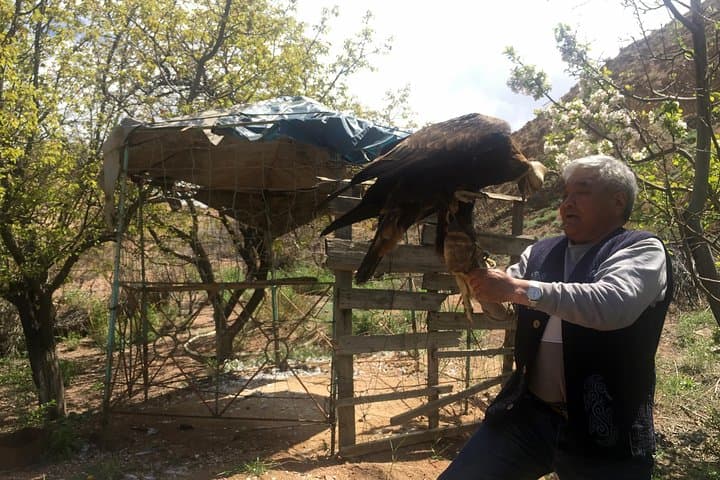
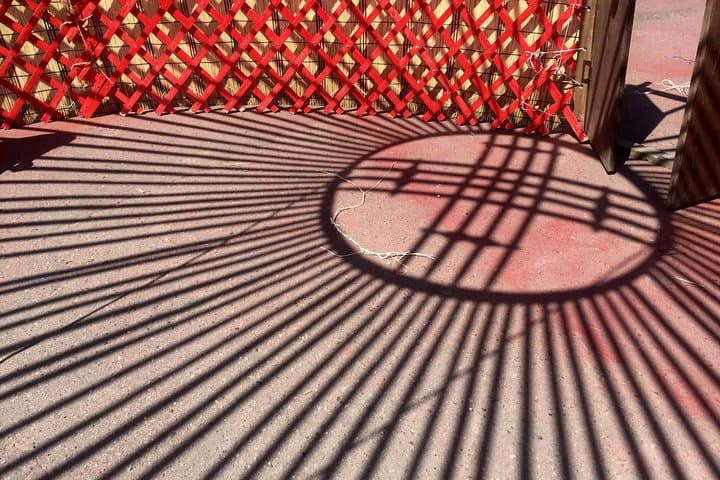
The cultural pulse is nomadic—eagle hunting demonstrations, taigan dogs, horse-breeding farms, and optional yurt nights reveal living traditions more than staged displays. Guides fluent in English, Russian, or Chinese interpret rituals and practicalities, while local homestays and 3-star hotels anchor comfort between field visits.
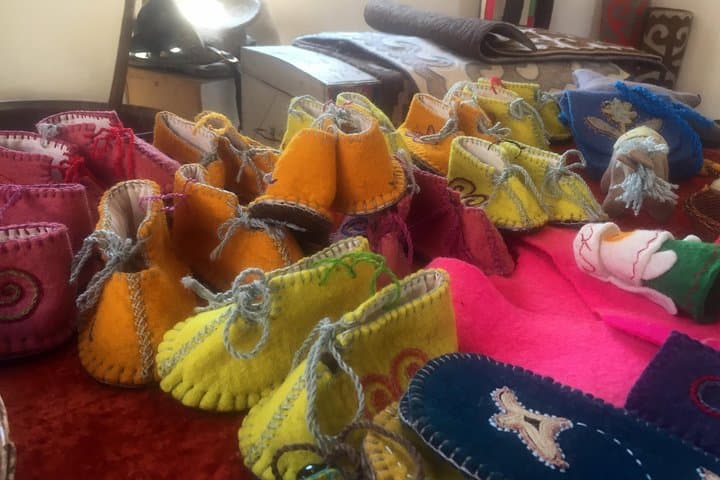
Practical guidance: pack layered clothing for sharp diurnal swings, comfortable boots for short treks, and a daypack for springs and waterfalls. Expect multiple short drives (1–3 hours each) and optional half-day hikes in alpine meadows. Bring cash for small museum fees or craft workshops, and allow time to acclimate after travel from Bishkek. Move respectfully around pastures and hot springs—these landscapes support grazing communities and fragile high-steppe ecosystems.
moderate.
4 days.
Basic endurance for several short drives, optional half-day hikes and getting on/off vehicles; comfortable mobility required.
Yes—most activities are accessible with minimal walking; optional treks can be tailored to shorter or longer routes.
Yes—yurt stays are offered on request and can often be arranged for an extra fee or as part of customization.
Guides typically speak English, Russian or Chinese depending on booking; confirm your preferred language at reservation.
Meals are provided (breakfast, lunch and dinner on most days); notify the operator in advance for dietary needs and they will accommodate where possible.
Burana Tower and nearby Balasagun ruins mark a key Silk Road node; petroglyphs at Cholpon-Ata record millennia of seasonal herding.
Issyk-Kul’s high-steppe and shoreline are ecologically sensitive—stick to trails, avoid disturbing grazing livestock, and minimize plastic and campfire impact.
New Way Service operates guided outdoor trips and adventures with an emphasis on safety, stewardship, and memorable experiences.
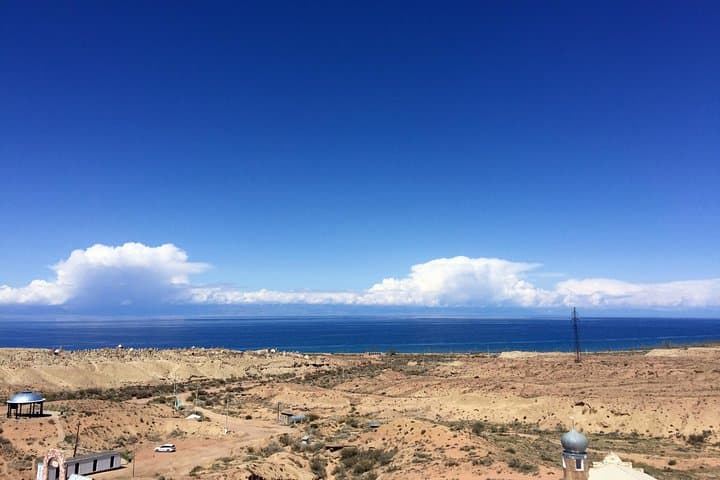
A wind off Issyk-Kul hits the bus like a greeting: cold and clean, carrying the mineral tang of a high mountain lake that refuses to freeze in winter. You arrive from Bishkek, the steppe receding into bands of pasture and broken red sandstone, and the first stop—Burana Tower—reminds you this place has been a crossroads since Silk Road caravans threaded these valleys.
A wind off Issyk-Kul hits the bus like a greeting: cold and clean, carrying the mineral tang of a high mountain lake that refuses to freeze in winter. You arrive from Bishkek, the steppe receding into bands of pasture and broken red sandstone, and the first stop—Burana Tower—reminds you this place has been a crossroads since Silk Road caravans threaded these valleys.
For four days the itinerary stitches cultural touchpoints to raw geology: petroglyphs at Cholpon-Ata, Russian Orthodox and Dungan architecture in Karakol, and sculpted cliffs at Fairy Tale Canyon. Jety Oguz’s scarlet walls and Barskoon’s thundering waterfall show how glacial carving and tectonic uplift wrote the lake’s outline in stone.
The cultural pulse is nomadic—eagle hunting demonstrations, taigan dogs, horse-breeding farms, and optional yurt nights reveal living traditions more than staged displays. Guides fluent in English, Russian, or Chinese interpret rituals and practicalities, while local homestays and 3-star hotels anchor comfort between field visits.
Practical guidance: pack layered clothing for sharp diurnal swings, comfortable boots for short treks, and a daypack for springs and waterfalls. Expect multiple short drives (1–3 hours each) and optional half-day hikes in alpine meadows. Bring cash for small museum fees or craft workshops, and allow time to acclimate after travel from Bishkek. Move respectfully around pastures and hot springs—these landscapes support grazing communities and fragile high-steppe ecosystems.