THE ADVENTURE COLLECTIVE® · Independent discovery and booking for outdoor travel

A compact three-day circuit from Bishkek to Issyk-Kul that combines Silk Road history, a live Golden Eagle hunting demonstration, yurt camp nights by the lake, and canyon-and-waterfall stops across the Tien Shan foothills. Ideal for travelers who want culture, light hiking, and lakeside nights in one trip.
A compact three-day circuit from Bishkek to Issyk-Kul that combines Silk Road history, a live Golden Eagle hunting demonstration, yurt camp nights by the lake, and canyon-and-waterfall stops across the Tien Shan foothills. Ideal for travelers who want culture, light hiking, and lakeside nights in one trip.
You step out of the minibus into high, dry air and the lake is immediate—wide, cold, and glass-clear, the Tien Shan teeth rising beyond it. On day one the road through Chui Valley gives way to red cliffs of Boom Gorge; the Chu River dares you to slow down and look. By evening, a yurt camp on Issyk-Kul’s southern shore becomes basecamp: felt walls, low tables, and the scent of simmering meat under a cobalt sky.
Verified experiences and guided adventures in the surrounding area.
Operated by Kyrgyz Wonders Travel · Bishkek, Chuy Region
You step out of the minibus into high, dry air and the lake is immediate—wide, cold, and glass-clear, the Tien Shan teeth rising beyond it. On day one the road through Chui Valley gives way to red cliffs of Boom Gorge; the Chu River dares you to slow down and look. By evening, a yurt camp on Issyk-Kul’s southern shore becomes basecamp: felt walls, low tables, and the scent of simmering meat under a cobalt sky.
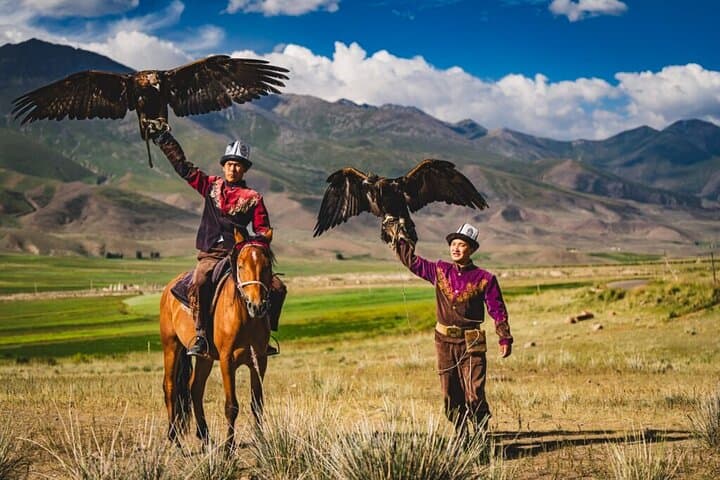
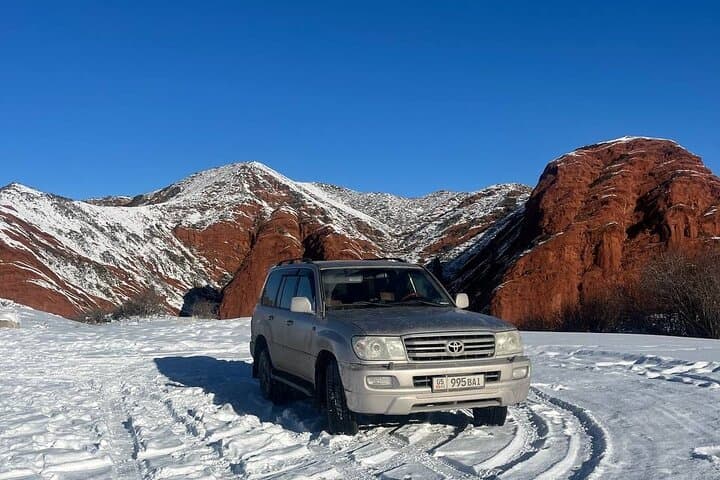
This route threads Silk Road history and nomadic life: Burana Tower’s 11th-century stones, roadside balbals (stone warriors), and the berkutchi tradition of golden-eagle hunting that still marks identity here. Geology is on display at Skazka (Fairy Tale) Canyon—wind and water have sculpted red sandstone into arches and spires—while Barskoon and Semenovka gorges show glacially fed streams cutting spine-like valleys through spruce and alpine meadow.
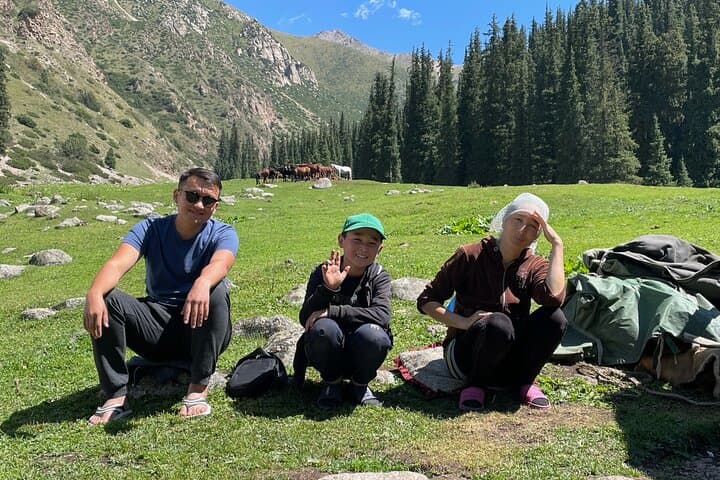
Culturally, expect warm hospitality—tea from a samovar, horse-riding offers, and local archery demonstrations—plus small museums in Karakol that reflect Dungan and Russian influences.
Practical guidance: this is a gentle, vehicle-supported circuit suitable for most people but expect dusty roads, short hikes (30–90 minutes), and simple yurt comforts. Carry enough cash for remote vendors, dress in layers for sharp diurnal swings, and bring a dry bag for lakeside swims and canyon dust. Morning light is best for photos; if you want calmer waters, plan swims before midafternoon winds pick up. Respect local customs at camps and follow Leave No Trace—these landscapes are fragile and shared by shepherds and wildlife alike.
moderate.
3 days (≈72 hours).
Suitable for travelers in average fitness able to manage short hikes, stairs at Burana Tower, and moderate walking at gorges and markets.
Yes; the tour is vehicle-supported with short, flexible walks and yurt evenings—children and older travelers can participate but should be able to board vehicles and handle simple stairs and uneven surfaces.
Private transport, entrance fees listed (e.g., Burana, Skazka), three lunches, two dinners, English-speaking guide, and activities such as the eagle show and archery are included per the itinerary.
Yes—Issyk-Kul is saline and remains relatively cool year-round; summer months are best for comfortable swims while spring and fall are brisk but possible for quick dips.
Yurt camps are simple: shared or private yurts with basic bedding, communal toilets (often outside), and regional meals—expect rustic comfort rather than hotel amenities.
The route follows corridors of the Silk Road and ancient cities like Balasagun; Burana Tower is a surviving minaret from that era and a local archaeological site.
Issyk-Kul’s shoreline and alpine gorges are sensitive to litter and unregulated camping; support local operators who follow waste management and avoid feeding wildlife.
Kyrgyz Wonders Travel operates guided outdoor trips and adventures with an emphasis on safety, stewardship, and memorable experiences.
You step out of the minibus into high, dry air and the lake is immediate—wide, cold, and glass-clear, the Tien Shan teeth rising beyond it. On day one the road through Chui Valley gives way to red cliffs of Boom Gorge; the Chu River dares you to slow down and look. By evening, a yurt camp on Issyk-Kul’s southern shore becomes basecamp: felt walls, low tables, and the scent of simmering meat under a cobalt sky.
You step out of the minibus into high, dry air and the lake is immediate—wide, cold, and glass-clear, the Tien Shan teeth rising beyond it. On day one the road through Chui Valley gives way to red cliffs of Boom Gorge; the Chu River dares you to slow down and look. By evening, a yurt camp on Issyk-Kul’s southern shore becomes basecamp: felt walls, low tables, and the scent of simmering meat under a cobalt sky.
This route threads Silk Road history and nomadic life: Burana Tower’s 11th-century stones, roadside balbals (stone warriors), and the berkutchi tradition of golden-eagle hunting that still marks identity here. Geology is on display at Skazka (Fairy Tale) Canyon—wind and water have sculpted red sandstone into arches and spires—while Barskoon and Semenovka gorges show glacially fed streams cutting spine-like valleys through spruce and alpine meadow.
Culturally, expect warm hospitality—tea from a samovar, horse-riding offers, and local archery demonstrations—plus small museums in Karakol that reflect Dungan and Russian influences.
Practical guidance: this is a gentle, vehicle-supported circuit suitable for most people but expect dusty roads, short hikes (30–90 minutes), and simple yurt comforts. Carry enough cash for remote vendors, dress in layers for sharp diurnal swings, and bring a dry bag for lakeside swims and canyon dust. Morning light is best for photos; if you want calmer waters, plan swims before midafternoon winds pick up. Respect local customs at camps and follow Leave No Trace—these landscapes are fragile and shared by shepherds and wildlife alike.