THE ADVENTURE COLLECTIVE® · Independent discovery and booking for outdoor travel

Spend a day driving out of Baku into the foothills where vineyards cling to sun-facing slopes and ancient copper workshops ring through cobbled streets. This full-day tour pairs guided tastings at Ismayilli wineries with a cultural stop in Lahij village for a concise portrait of Azerbaijani wine and craft.
Spend a day driving out of Baku into the foothills where vineyards cling to sun-facing slopes and ancient copper workshops ring through cobbled streets. This full-day tour pairs guided tastings at Ismayilli wineries with a cultural stop in Lahij village for a concise portrait of Azerbaijani wine and craft.
The road out of Baku climbs and unfurls like a revealed map—sharp hairpins, terraced fields and, eventually, a hush that only mountains can impose. By mid-morning the air tastes faintly of grape skin and wood smoke. Vines lean into sunlit slopes, rows punctuated by low stone walls and the occasional tractor. Your guide steers you off the highway and into the folding arms of Ismayilli, where wine is both craft and quiet rebellion against the notion that great wine only comes from names you already know.
Verified experiences and guided adventures in the surrounding area.
Operated by Tural · Ismayilli, Ismayilli Rayon
The road out of Baku climbs and unfurls like a revealed map—sharp hairpins, terraced fields and, eventually, a hush that only mountains can impose. By mid-morning the air tastes faintly of grape skin and wood smoke. Vines lean into sunlit slopes, rows punctuated by low stone walls and the occasional tractor. Your guide steers you off the highway and into the folding arms of Ismayilli, where wine is both craft and quiet rebellion against the notion that great wine only comes from names you already know.
Winemaking in the South Caucasus is ancient; archaeologists point to millennia of grape cultivation here, and Ismayilli sits on soils shaped by old volcanic activity and river alluvium—well-drained slopes that coax concentrated flavors from hardy local varieties. On this full-day loop you move from vineyard to cellar, watching clusters transition from vine to barrel. Tastings focus on Azerbaijani varieties—think tart, mineral-driven whites and structured reds like Madrasa—framed by modern cellar techniques introduced over the last two decades.
Then the tour shifts from rows of vines to the narrow, cobbled arteries of Lahij. Looming stone houses and copper workshops announce a different tradition: metalwork practiced for centuries, passed through families whose hammers set a rhythm to village life. Craftsmen file and anneal in open fronts; you can watch copperware take its slow, stubborn shape and buy a small handmade bowl to remember the pace of the place.
Culturally the day is a study in contrasts—industrial viticulture’s labs and stainless steel beside age-old handicraft where time is measured in hammer blows. The included mountain lunch arrives at a restaurant with a view: fresh bread, herb-forward salads, and slow-cooked stews that make a compact meal feel ceremonial. Photographers will find every stop generous; the route is punctuated with planned viewpoints to capture ridge lines and vineyard mosaics.
Practical notes: expect a long but scenic drive—roughly 2.5 hours each way from Baku—so plan for a 9–10 hour day. The walking is light but uneven: sturdy shoes are recommended for cobblestones in Lahij and dirt vineyard paths. Tastings are paced; the group-friendly format lets you sample without overindulging, but remember transport is included and you’ll return to Baku by evening. Bring sun protection, a daypack, and a credit card if you want to buy bottles or handicrafts—many wineries accept cash and cards, but smaller vendors in Lahij may prefer AZN.
This tour is best for curious travelers who want wine with context—where each sip comes with a story of soil, family and craft. Go ready to smell working wood smoke, hear copper strike metal, and watch how a region rewrites expectations about what Azerbaijani wine can be.
moderate.
9–10 hours.
Moderate—able to walk short uneven stretches, stand during tastings, and tolerate a long day in a vehicle
Expect about 2.5 hours each way depending on traffic and weather; the full tour runs roughly 9–10 hours including tastings and Lahij visit.
Yes—there are stops for buying wine bottles and handicrafts; a daypack or tote is handy. Larger or fragile items may need extra packaging for the return drive.
Yes, a traditional Azerbaijani full lunch is included and can accommodate common dietary restrictions if notified 48 hours in advance.
Non-drinkers can still join; the tour includes other cultural and scenic stops. Inform the operator in advance to adjust the experience.
Children can join but wine tastings are restricted to participants 18+. Infants must sit on laps; infant seats are available on request.
It’s moderate—mostly short walks, standing during tastings, and light cobblestone walking in Lahij. Not recommended for travelers with serious spinal or cardiovascular issues.
The South Caucasus is one of the oldest wine-producing regions; Ismayilli’s viticulture mixes millennia-old grape growing with recent modernization, while Lahij is known for centuries-old coppersmithing traditions.
Support local producers by buying bottles directly from wineries; stick to marked paths in Lahij to protect fragile stonework and avoid single-use plastics while touring.
Tural operates guided outdoor trips and adventures with an emphasis on safety, stewardship, and memorable experiences.
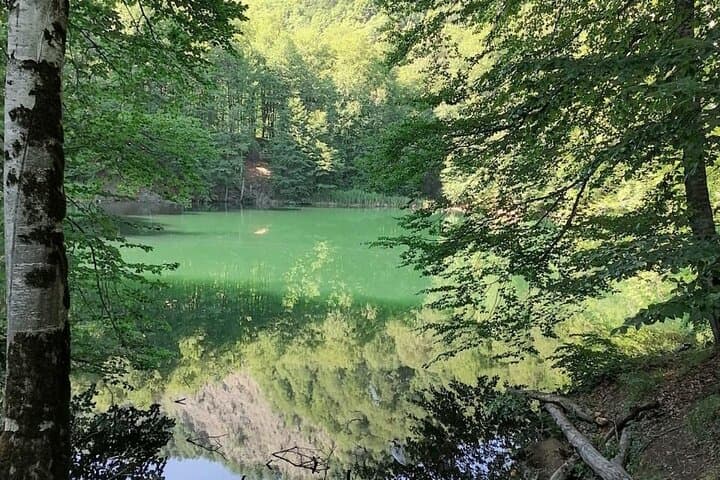
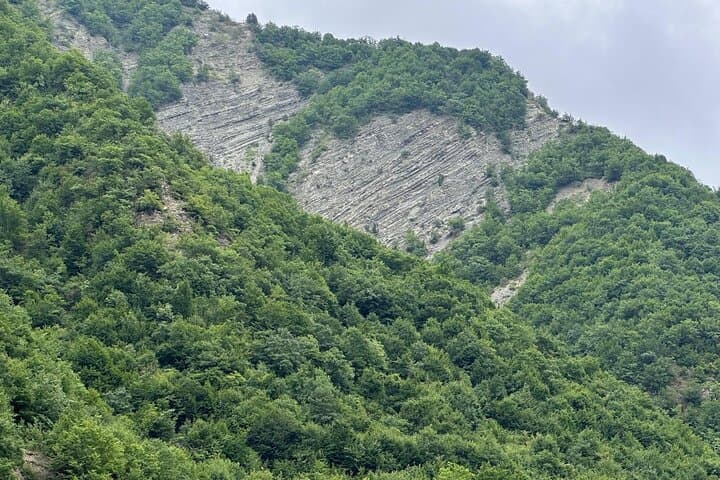
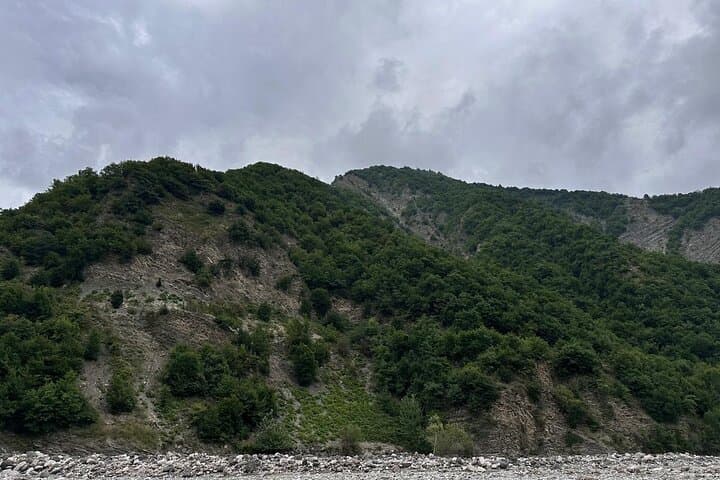
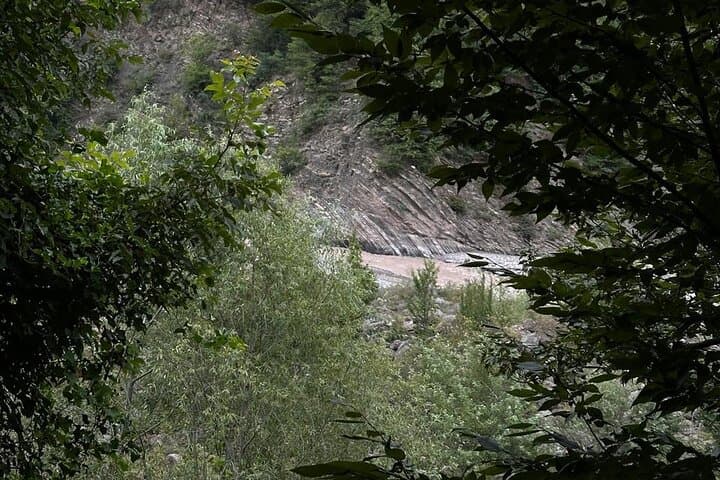
The road out of Baku climbs and unfurls like a revealed map—sharp hairpins, terraced fields and, eventually, a hush that only mountains can impose. By mid-morning the air tastes faintly of grape skin and wood smoke. Vines lean into sunlit slopes, rows punctuated by low stone walls and the occasional tractor. Your guide steers you off the highway and into the folding arms of Ismayilli, where wine is both craft and quiet rebellion against the notion that great wine only comes from names you already know.
The road out of Baku climbs and unfurls like a revealed map—sharp hairpins, terraced fields and, eventually, a hush that only mountains can impose. By mid-morning the air tastes faintly of grape skin and wood smoke. Vines lean into sunlit slopes, rows punctuated by low stone walls and the occasional tractor. Your guide steers you off the highway and into the folding arms of Ismayilli, where wine is both craft and quiet rebellion against the notion that great wine only comes from names you already know.
Winemaking in the South Caucasus is ancient; archaeologists point to millennia of grape cultivation here, and Ismayilli sits on soils shaped by old volcanic activity and river alluvium—well-drained slopes that coax concentrated flavors from hardy local varieties. On this full-day loop you move from vineyard to cellar, watching clusters transition from vine to barrel. Tastings focus on Azerbaijani varieties—think tart, mineral-driven whites and structured reds like Madrasa—framed by modern cellar techniques introduced over the last two decades.
Then the tour shifts from rows of vines to the narrow, cobbled arteries of Lahij. Looming stone houses and copper workshops announce a different tradition: metalwork practiced for centuries, passed through families whose hammers set a rhythm to village life. Craftsmen file and anneal in open fronts; you can watch copperware take its slow, stubborn shape and buy a small handmade bowl to remember the pace of the place.
Culturally the day is a study in contrasts—industrial viticulture’s labs and stainless steel beside age-old handicraft where time is measured in hammer blows. The included mountain lunch arrives at a restaurant with a view: fresh bread, herb-forward salads, and slow-cooked stews that make a compact meal feel ceremonial. Photographers will find every stop generous; the route is punctuated with planned viewpoints to capture ridge lines and vineyard mosaics.
Practical notes: expect a long but scenic drive—roughly 2.5 hours each way from Baku—so plan for a 9–10 hour day. The walking is light but uneven: sturdy shoes are recommended for cobblestones in Lahij and dirt vineyard paths. Tastings are paced; the group-friendly format lets you sample without overindulging, but remember transport is included and you’ll return to Baku by evening. Bring sun protection, a daypack, and a credit card if you want to buy bottles or handicrafts—many wineries accept cash and cards, but smaller vendors in Lahij may prefer AZN.
This tour is best for curious travelers who want wine with context—where each sip comes with a story of soil, family and craft. Go ready to smell working wood smoke, hear copper strike metal, and watch how a region rewrites expectations about what Azerbaijani wine can be.