THE ADVENTURE COLLECTIVE® · Independent discovery and booking for outdoor travel

Set off from Puerto Vallarta for a full-day catamaran to the Islas Marietas: kayak through sea caves, snorkel with tropical fish, and watch for dolphins and humpback whales. This practical guide outlines what to expect, how to prepare, and local conservation rules to know before you go.
Set off from Puerto Vallarta for a full-day catamaran to the Islas Marietas: kayak through sea caves, snorkel with tropical fish, and watch for dolphins and humpback whales. This practical guide outlines what to expect, how to prepare, and local conservation rules to know before you go.
The catamaran slips free of Puerto Vallarta’s marina and the shore falls away into an open sweep of blue. Wind catches the sails, the engine’s hum becomes a steady promise, and the twin isles of Marietas rise as dark volcanic silhouettes studded with sea caves. Guides pass out fins and life vests; kayaks and stand-up paddleboards wait for the first eager riders.
Verified experiences and guided adventures in the surrounding area.
Operated by ParaViajantes Tours · Puerto Vallarta, Jalisco
The catamaran slips free of Puerto Vallarta’s marina and the shore falls away into an open sweep of blue. Wind catches the sails, the engine’s hum becomes a steady promise, and the twin isles of Marietas rise as dark volcanic silhouettes studded with sea caves. Guides pass out fins and life vests; kayaks and stand-up paddleboards wait for the first eager riders.
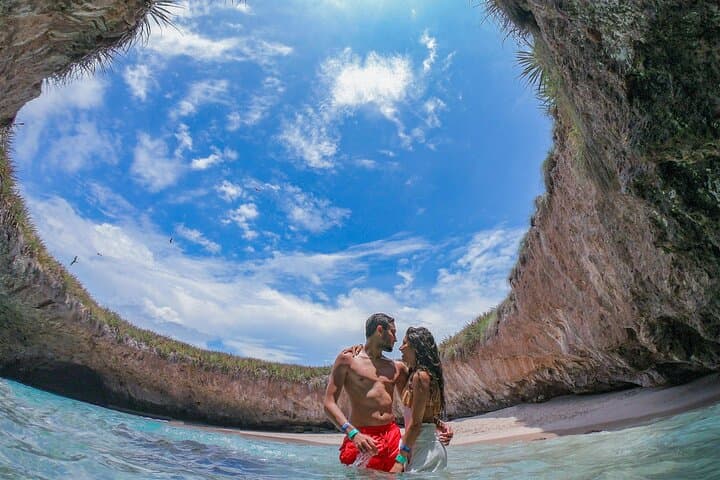
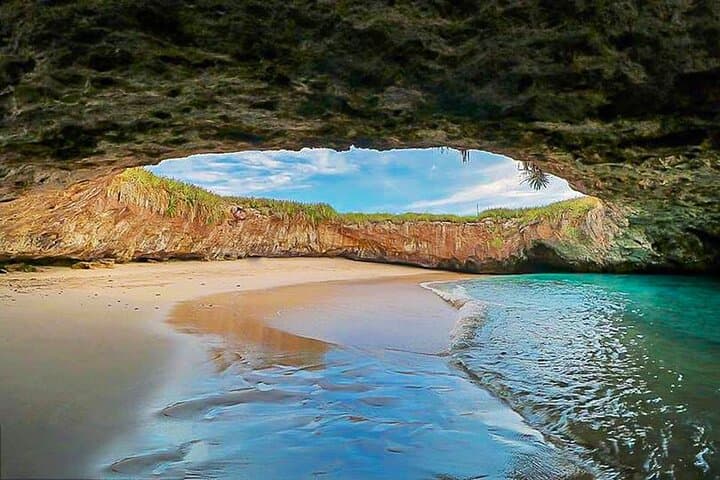
Geologically the Marietas are remnants of submarine volcanic activity; eruptions and wave action have sculpted caves, arches and the infamous crater that formed the so-called Hidden Beach. The islands have a recent human history too — years of military target practice damaged parts of the terrain before the area was placed under federal protection and designated a national park to conserve its rich marine life.
Culture on the bay blends coastal Jaliscan and Nayarit fishing traditions with a growing ecotourism ethic: tours emphasize noninvasive snorkeling, wildlife viewing and adherence to park rules. Expect to see schools of tropical fish, rays, playful dolphins and, between December and March, migrating humpback whales passing through the channel.
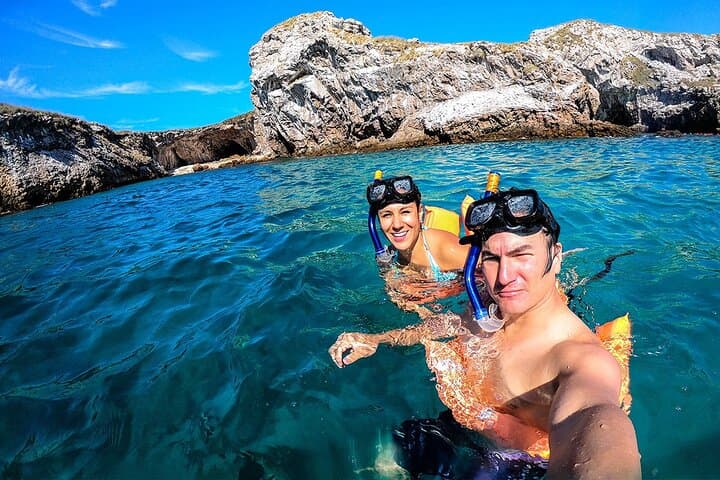
Practical guidance: the full-day trip runs about 6–7 hours with breakfast, lunch and an open bar on board; snorkeling equipment is provided but bring a reef-safe sunscreen and a light rash guard. Seas can be choppy—those prone to motion sickness should plan accordingly. Access to some features (like the Hidden Beach) is controlled by park authorities, so follow your guide’s instructions, keep to marked routes, and avoid touching coral. Timing your booking for calmer mornings improves snorkeling visibility and increases the chance of wildlife encounters.
moderate.
6–7 hours.
Suitable for most fitness levels; basic swimming ability helpful for snorkeling and paddleboarding.
The full‑day excursion lasts about 6–7 hours (360–420 minutes) and departs from the API maritime terminal (Puerto Mágico) in Puerto Vallarta with an 8:15 a.m. check‑in.
Dolphins are commonly sighted; humpback whales frequent the area between December and March but sightings aren’t guaranteed—seasonality improves odds.
Yes—fins, mask, snorkel and life vests are included, though many travelers bring a personal mask for fit and comfort.
Access to the Hidden Beach is regulated by park authorities and may be restricted by daily limits; your guide will advise whether landing is permitted that day.
The Marietas were formed by submarine volcanic activity and later suffered bombing practice that altered the landscape; protection came as tourism and conservation priorities grew.
Islas Marietas are a protected national park with strict visitor limits and rules—use reef‑safe products, avoid touching marine life, and follow guides to minimize impact.
ParaViajantes Tours operates guided outdoor trips and adventures with an emphasis on safety, stewardship, and memorable experiences.
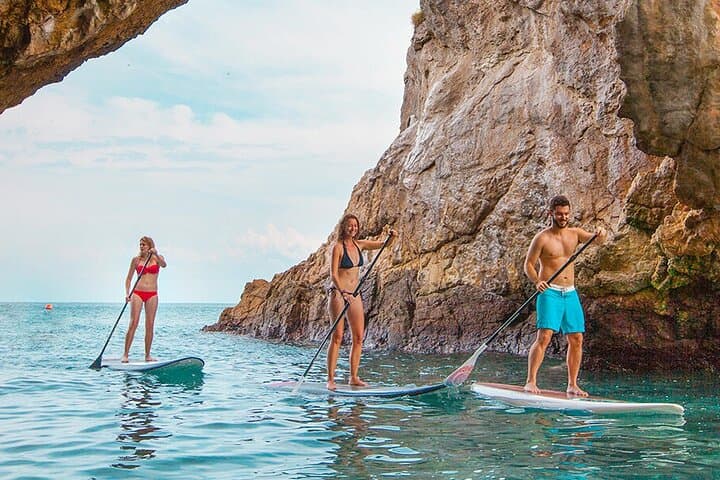
The catamaran slips free of Puerto Vallarta’s marina and the shore falls away into an open sweep of blue. Wind catches the sails, the engine’s hum becomes a steady promise, and the twin isles of Marietas rise as dark volcanic silhouettes studded with sea caves. Guides pass out fins and life vests; kayaks and stand-up paddleboards wait for the first eager riders.
The catamaran slips free of Puerto Vallarta’s marina and the shore falls away into an open sweep of blue. Wind catches the sails, the engine’s hum becomes a steady promise, and the twin isles of Marietas rise as dark volcanic silhouettes studded with sea caves. Guides pass out fins and life vests; kayaks and stand-up paddleboards wait for the first eager riders.
Geologically the Marietas are remnants of submarine volcanic activity; eruptions and wave action have sculpted caves, arches and the infamous crater that formed the so-called Hidden Beach. The islands have a recent human history too — years of military target practice damaged parts of the terrain before the area was placed under federal protection and designated a national park to conserve its rich marine life.
Culture on the bay blends coastal Jaliscan and Nayarit fishing traditions with a growing ecotourism ethic: tours emphasize noninvasive snorkeling, wildlife viewing and adherence to park rules. Expect to see schools of tropical fish, rays, playful dolphins and, between December and March, migrating humpback whales passing through the channel.
Practical guidance: the full-day trip runs about 6–7 hours with breakfast, lunch and an open bar on board; snorkeling equipment is provided but bring a reef-safe sunscreen and a light rash guard. Seas can be choppy—those prone to motion sickness should plan accordingly. Access to some features (like the Hidden Beach) is controlled by park authorities, so follow your guide’s instructions, keep to marked routes, and avoid touching coral. Timing your booking for calmer mornings improves snorkeling visibility and increases the chance of wildlife encounters.