THE ADVENTURE COLLECTIVE® · Independent discovery and booking for outdoor travel

Island Peak (Imja Tse) is a technical trekking peak at 6,189 m commonly climbed as an add-on to the Everest Base Camp route. This guide outlines what to expect on the approach, the climb, and practical tips for acclimatization and gear.
Island Peak (Imja Tse) is a technical trekking peak at 6,189 m commonly climbed as an add-on to the Everest Base Camp route. This guide outlines what to expect on the approach, the climb, and practical tips for acclimatization and gear.
Morning light slices across knifed ridgelines as you cross the gray moraine toward Island Peak’s base camp. The rock and ice of Imja Tse sit like an island of white above a sea of glacial valley, and each step northward brings the summit profile into sharper relief.
Verified experiences and guided adventures in the surrounding area.
Operated by Hiking Adventure Treks · Lukla, Koshi Province
Morning light slices across knifed ridgelines as you cross the gray moraine toward Island Peak’s base camp. The rock and ice of Imja Tse sit like an island of white above a sea of glacial valley, and each step northward brings the summit profile into sharper relief.
Island Peak (6,189 m) was named by early British climbers who thought its shape rose like an island from the glacial expanse. Geologically it’s part of the highly folded and uplifted Himalayan arc—granite and gneiss carved by repeated glaciation. The route approaches through classic Everest-region villages: Lukla, Namche Bazaar, Dingboche and Chhukung, where Sherpa culture and Himalayan Buddhist shrines punctuate each stop.
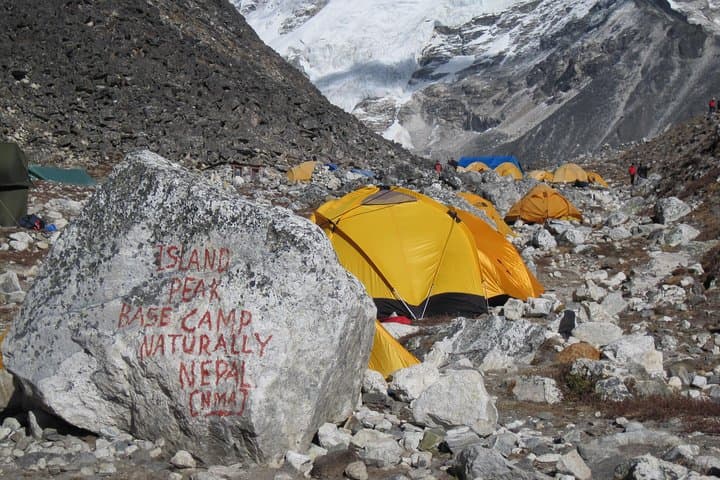
Expect a mixed climb: moraine trail, steep snow slopes, and sections of fixed rope on the upper headwall. Typical itineraries add 3–4 days for summit push after acclimatization on the Everest Base Camp trek; many parties use Chhukung as their staging village and practice crevasse and rope techniques at the island peak base camp.
Practical guidance: pre-acclimatize—spend multiple nights above 3,500 m—carry layered insulation, and know basic crampon and ice-ax use. Weather changes quickly; summit windows favor pre-monsoon (April–May) and post-monsoon (Sept–Nov). Hire a licensed guide and check permit requirements (Island Peak climbing permits and Sagarmatha National Park fees apply). Hydration, slow pacing, and respect for altitude are simple measures that make summits safer. When the final ridge comes into view, the wind will demand attention and reward equal parts concentration and patience.
challenging.
14–18 days.
High level of cardiovascular fitness and endurance; able to hike 6–8 hours daily with a loaded pack and manage altitude
The best windows are pre-monsoon (April–May) and post-monsoon (September–November) when conditions are most stable and visibility is highest.
Yes—basic crampon and ice-axe skills plus experience with exposure and scree are highly recommended; guided parties often offer a practice day at base camp.
Climbers need Island Peak climbing permits through Nepal’s Ministry of Culture, Tourism and Civil Aviation and Sagarmatha National Park entry permits; guides handle logistics typically.
Plan for several acclimatization days over 7–10 days en route to base camp, with additional nights at higher villages like Dingboche or Chhukung before the summit push.
Island Peak was labeled by 1953 British expedition members; it became a popular trekking peak for climbers building skills in the Everest region.
The climb passes through Sagarmatha National Park, where waste management and limiting extra fuel use are critical; use local guides who follow Leave No Trace and support community-based lodges.
Hiking Adventure Treks operates guided outdoor trips and adventures with an emphasis on safety, stewardship, and memorable experiences.
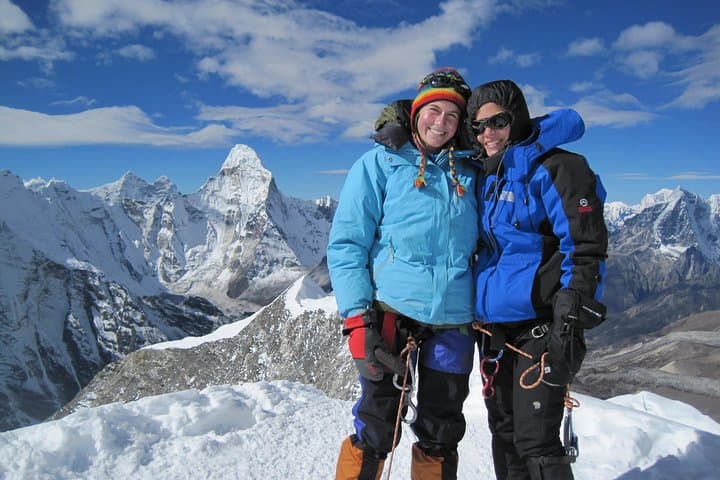
Morning light slices across knifed ridgelines as you cross the gray moraine toward Island Peak’s base camp. The rock and ice of Imja Tse sit like an island of white above a sea of glacial valley, and each step northward brings the summit profile into sharper relief.
Morning light slices across knifed ridgelines as you cross the gray moraine toward Island Peak’s base camp. The rock and ice of Imja Tse sit like an island of white above a sea of glacial valley, and each step northward brings the summit profile into sharper relief.
Island Peak (6,189 m) was named by early British climbers who thought its shape rose like an island from the glacial expanse. Geologically it’s part of the highly folded and uplifted Himalayan arc—granite and gneiss carved by repeated glaciation. The route approaches through classic Everest-region villages: Lukla, Namche Bazaar, Dingboche and Chhukung, where Sherpa culture and Himalayan Buddhist shrines punctuate each stop.
Expect a mixed climb: moraine trail, steep snow slopes, and sections of fixed rope on the upper headwall. Typical itineraries add 3–4 days for summit push after acclimatization on the Everest Base Camp trek; many parties use Chhukung as their staging village and practice crevasse and rope techniques at the island peak base camp.
Practical guidance: pre-acclimatize—spend multiple nights above 3,500 m—carry layered insulation, and know basic crampon and ice-ax use. Weather changes quickly; summit windows favor pre-monsoon (April–May) and post-monsoon (Sept–Nov). Hire a licensed guide and check permit requirements (Island Peak climbing permits and Sagarmatha National Park fees apply). Hydration, slow pacing, and respect for altitude are simple measures that make summits safer. When the final ridge comes into view, the wind will demand attention and reward equal parts concentration and patience.