THE ADVENTURE COLLECTIVE® · Independent discovery and booking for outdoor travel

A 20‑day combination of the classic Everest Base Camp trek and a technical ascent of Island Peak (6,189 m). Expect high‑altitude trekking, glacier travel, and a steep summit headwall with fixed‑rope sections.
A 20‑day combination of the classic Everest Base Camp trek and a technical ascent of Island Peak (6,189 m). Expect high‑altitude trekking, glacier travel, and a steep summit headwall with fixed‑rope sections.
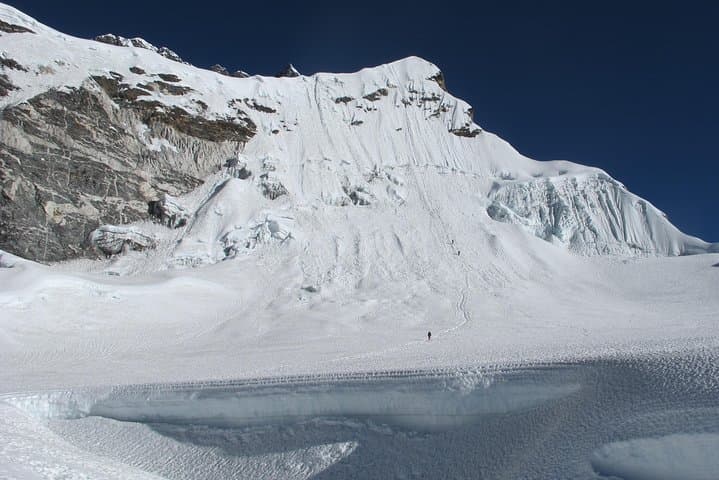
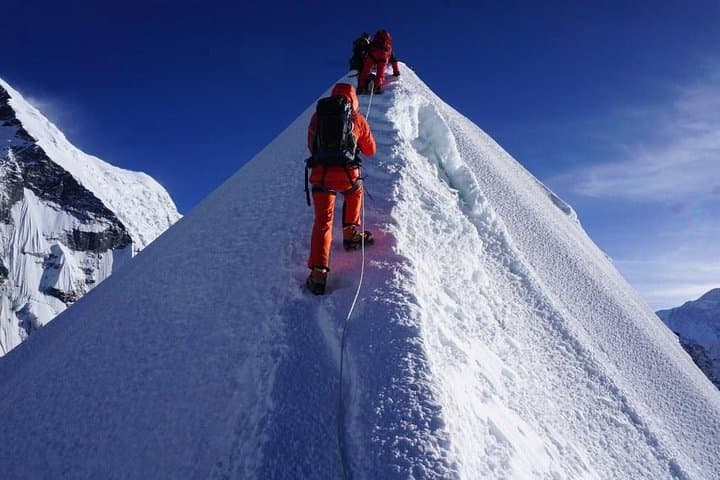
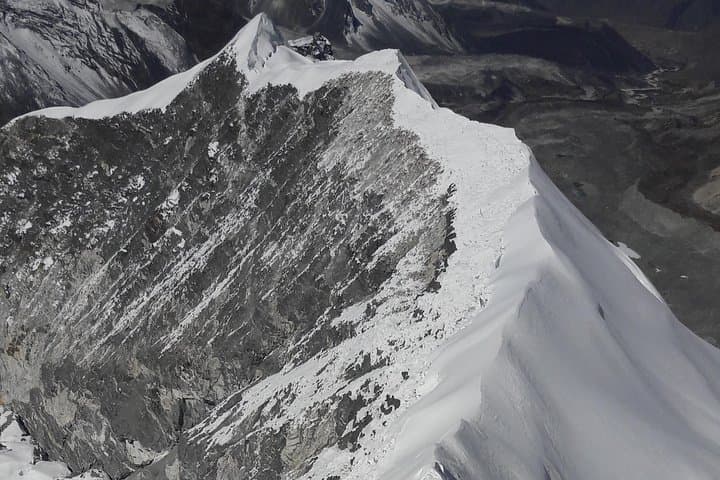
The light in the Khumbu valley arrives slow and thin; by midmorning glaciers gleam and the ridgelines throw hard shadows. On this 20-day itinerary trekkers move from the buzz of Kathmandu to the thin-air quiet of Chhukung and the exposed summit ridge of Island Peak (Imja Tse), where a 300‑metre headwall of 45° snow leads to a narrow, wind‑scarred crest.
Verified experiences and guided adventures in the surrounding area.
Operated by Annapurna Foothills Treks Expedition Pvt. Ltd. · Chhukung, Solukhumbu District
The light in the Khumbu valley arrives slow and thin; by midmorning glaciers gleam and the ridgelines throw hard shadows. On this 20-day itinerary trekkers move from the buzz of Kathmandu to the thin-air quiet of Chhukung and the exposed summit ridge of Island Peak (Imja Tse), where a 300‑metre headwall of 45° snow leads to a narrow, wind‑scarred crest.
Geology here is active: the Imja Glacier carves frozen waves through serac and moraine, and the range’s uplifted metamorphic rock frames views of Lhotse, Nuptse and the pyramid of Makalu. Culturally the route threads Sherpa villages, mani walls and the timbered Tengboche monastery—places shaped by Tibetan Buddhism and mountain pastoralism. The whole zone sits inside Sagarmatha National Park, protected for its ecology and high‑altitude heritage.
Expect long trekking days to Namche Bazaar for acclimatization, a push to Everest Base Camp and then a diversion to Chhukung and Island Peak Base Camp. Summit day is technical: fixed ropes, crampons and ice‑axe travel on steep snow and mixed terrain; guides lead rope teams and set pitches. Weather windows can be short; the itinerary builds in reserve days for storms or poor visibility.
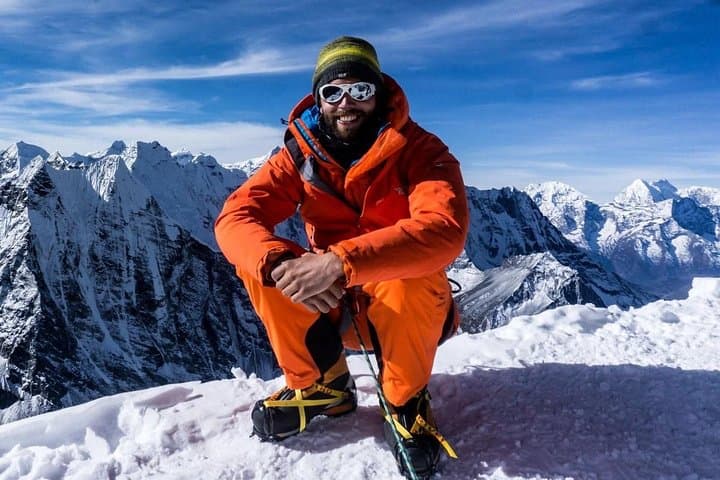
Practical takeaways: train for sustained uphill time and load carriage, practice crampon and ice‑axe techniques, and budget for permits, Lukla flights and professional guide support. Hydration, conservative pacing, sleep at lower nights when possible and layering for cold will make the difference between a tough trip and a safe summit. The climb rewards sustained effort with one of the most complete panoramic lines in the Khumbu—peaks that keep watch while you make your way up.
difficult.
Approximately 20 days.
Requires excellent aerobic fitness, prior multi‑day backpacking experience, and ability to trek 6–8 hours daily at altitude
Previous trekking at altitude and basic mountaineering experience are strongly recommended; the summit involves glacier travel and fixed‑rope sections.
Spring (March–May) and fall (September–November) offer the most stable weather and best visibility for summit attempts.
Summit day can be 10–12 hours from High Camp; expect steep snow slopes up to 45°, fixed ropes, and short mixed terrain sections requiring crampons and rope work.
Climbers need Island Peak climbing permit, Sagarmatha National Park entry, and TIMS; these are typically arranged by your outfitter or guide service.
The Khumbu is Sherpa country with deep Tibetan cultural ties; Sagarmatha National Park was designated a UNESCO World Heritage Site for its unique high‑altitude landscape and cultural heritage.
Follow leave‑no‑trace principles, stick to established camps and trails, and respect local waste‑management programs to minimize impact in the fragile alpine environment.
Annapurna Foothills Treks Expedition Pvt. Ltd. operates guided outdoor trips and adventures with an emphasis on safety, stewardship, and memorable experiences.
The light in the Khumbu valley arrives slow and thin; by midmorning glaciers gleam and the ridgelines throw hard shadows. On this 20-day itinerary trekkers move from the buzz of Kathmandu to the thin-air quiet of Chhukung and the exposed summit ridge of Island Peak (Imja Tse), where a 300‑metre headwall of 45° snow leads to a narrow, wind‑scarred crest.
The light in the Khumbu valley arrives slow and thin; by midmorning glaciers gleam and the ridgelines throw hard shadows. On this 20-day itinerary trekkers move from the buzz of Kathmandu to the thin-air quiet of Chhukung and the exposed summit ridge of Island Peak (Imja Tse), where a 300‑metre headwall of 45° snow leads to a narrow, wind‑scarred crest.
Geology here is active: the Imja Glacier carves frozen waves through serac and moraine, and the range’s uplifted metamorphic rock frames views of Lhotse, Nuptse and the pyramid of Makalu. Culturally the route threads Sherpa villages, mani walls and the timbered Tengboche monastery—places shaped by Tibetan Buddhism and mountain pastoralism. The whole zone sits inside Sagarmatha National Park, protected for its ecology and high‑altitude heritage.
Expect long trekking days to Namche Bazaar for acclimatization, a push to Everest Base Camp and then a diversion to Chhukung and Island Peak Base Camp. Summit day is technical: fixed ropes, crampons and ice‑axe travel on steep snow and mixed terrain; guides lead rope teams and set pitches. Weather windows can be short; the itinerary builds in reserve days for storms or poor visibility.
Practical takeaways: train for sustained uphill time and load carriage, practice crampon and ice‑axe techniques, and budget for permits, Lukla flights and professional guide support. Hydration, conservative pacing, sleep at lower nights when possible and layering for cold will make the difference between a tough trip and a safe summit. The climb rewards sustained effort with one of the most complete panoramic lines in the Khumbu—peaks that keep watch while you make your way up.