THE ADVENTURE COLLECTIVE® · Independent discovery and booking for outdoor travel

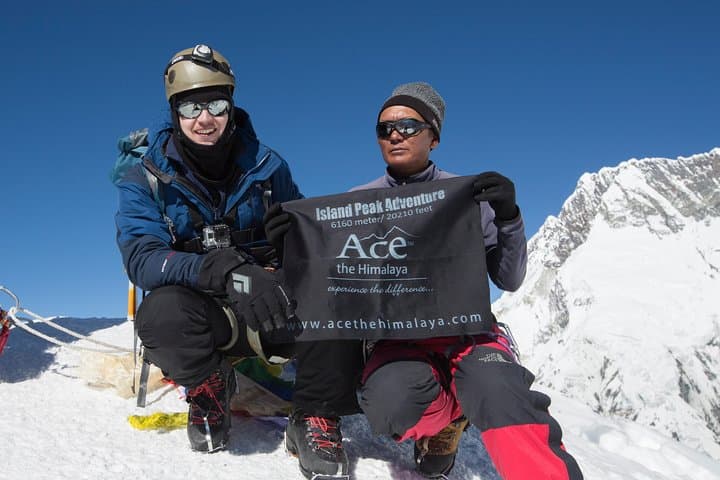
A demanding, high-altitude climb in the Khumbu that pairs cultural trekking with technical snow-and-ice work. This 16–17 day route from Kathmandu includes acclimatization in Namche and a summit push on Island Peak (Imja Tse) to 6,187 m.
A demanding, high-altitude climb in the Khumbu that pairs cultural trekking with technical snow-and-ice work. This 16–17 day route from Kathmandu includes acclimatization in Namche and a summit push on Island Peak (Imja Tse) to 6,187 m.
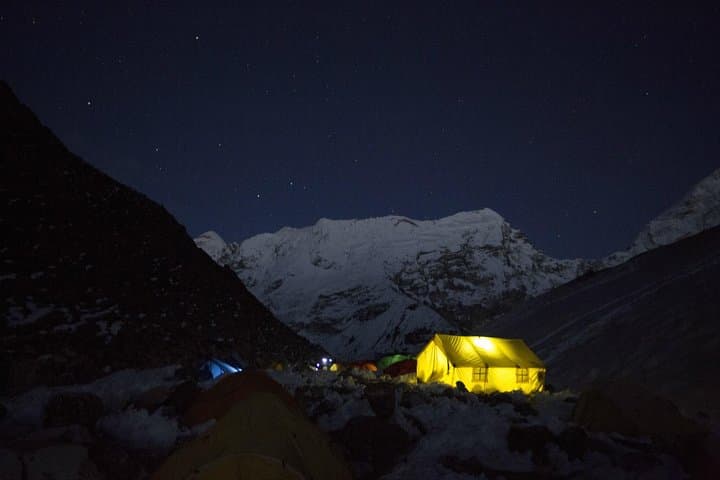
Dawn on the Khumbu unfolds in cold blue light as teams tighten boots and shoulder packs at Island Peak base camp. Wind nudges prayer flags; the glacier ahead glints and demands attention. From the ridgelines around Chhukung the route threads moraine, snowfield and crevassed glacier before topping a narrow snow arête that gives a frontal view of Lhotse, Ama Dablam and Nuptse – the peaks feel close enough to touch.
Verified experiences and guided adventures in the surrounding area.
Operated by Ace the Himalaya · Chhukung, Province No. 1
Dawn on the Khumbu unfolds in cold blue light as teams tighten boots and shoulder packs at Island Peak base camp. Wind nudges prayer flags; the glacier ahead glints and demands attention. From the ridgelines around Chhukung the route threads moraine, snowfield and crevassed glacier before topping a narrow snow arête that gives a frontal view of Lhotse, Ama Dablam and Nuptse – the peaks feel close enough to touch.
The peak known locally as Imja Tse gained the nickname “Island Peak” from early British expeditions who saw it as an island of rock rising from the broad ice. Geologically it sits on the eastern flanks of the Khumbu, shaped by relentless glaciation and seasonal freeze-thaw that sculpts seracs and steep gullies. Culturally, the approach passes Sherpa villages—Namche Bazaar, Tengboche and Pangboche—where Mani stones, gompas and lingering incense mark centuries of Himalayan practice.
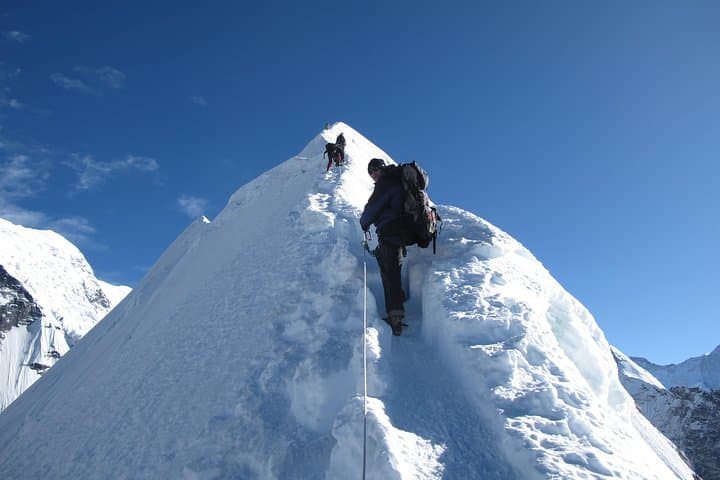
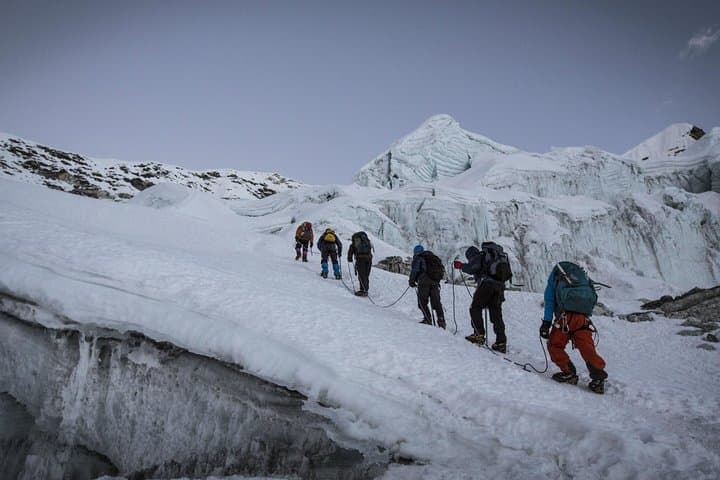
Expect 16–17 days from Kathmandu: a scenic 35-minute flight to Lukla, gradual acclimatization days through Namche and Dingboche, then a short trek to high camp and a technical summit push (approx. 9–12 hours round-trip from high camp). Terrain varies between rocky trails, high-altitude alpine moraine, snow and hinged glacier travel; the summit involves fixed-rope sections and basic ice-axe and crampon work. Altitude sickness is the principal hazard—pace your ascent, hydrate, and heed your guide.
Practical notes: train with weighted hikes and stair sessions, pack high-quality insulated layers, and allow buffer days for Lukla weather. Guided groups normally provide climbing ropes and a Sherpa; bring a personal kit and the stamina to move steadily above 4,000 m.
challenging.
16–17 days.
Strong cardiovascular fitness and prior multi-day trekking experience; ability to carry a 8–12 kg daypack and hike 5–8 hours at altitude.
Guided clients can summit with limited prior technical experience if they complete pre-trip training and follow Sherpa instructions, but comfort with crampons and ice-axe is strongly recommended.
Climbing Island Peak requires an Island Peak climbing permit plus Sagarmatha National Park entry; guides typically arrange these in advance.
Summit day from high camp or Camp 1 can take 9–12 hours with roughly 900–1,000 m of ascent depending on your camp location.
Spring (March–May) and fall (September–November) offer the most stable weather and best visibility for summit attempts.
Island Peak (Imja Tse) was named by early British surveyors; the region has long been inhabited by Sherpa communities who practice Tibetan Buddhism and manage high-altitude trade routes.
Sagarmatha National Park manages tourism impacts through permits and park fees; visitors should stick to trails, pack out waste and minimize single-use plastics to protect fragile alpine systems.
Ace the Himalaya operates guided outdoor trips and adventures with an emphasis on safety, stewardship, and memorable experiences.
Dawn on the Khumbu unfolds in cold blue light as teams tighten boots and shoulder packs at Island Peak base camp. Wind nudges prayer flags; the glacier ahead glints and demands attention. From the ridgelines around Chhukung the route threads moraine, snowfield and crevassed glacier before topping a narrow snow arête that gives a frontal view of Lhotse, Ama Dablam and Nuptse – the peaks feel close enough to touch.
Dawn on the Khumbu unfolds in cold blue light as teams tighten boots and shoulder packs at Island Peak base camp. Wind nudges prayer flags; the glacier ahead glints and demands attention. From the ridgelines around Chhukung the route threads moraine, snowfield and crevassed glacier before topping a narrow snow arête that gives a frontal view of Lhotse, Ama Dablam and Nuptse – the peaks feel close enough to touch.
The peak known locally as Imja Tse gained the nickname “Island Peak” from early British expeditions who saw it as an island of rock rising from the broad ice. Geologically it sits on the eastern flanks of the Khumbu, shaped by relentless glaciation and seasonal freeze-thaw that sculpts seracs and steep gullies. Culturally, the approach passes Sherpa villages—Namche Bazaar, Tengboche and Pangboche—where Mani stones, gompas and lingering incense mark centuries of Himalayan practice.
Expect 16–17 days from Kathmandu: a scenic 35-minute flight to Lukla, gradual acclimatization days through Namche and Dingboche, then a short trek to high camp and a technical summit push (approx. 9–12 hours round-trip from high camp). Terrain varies between rocky trails, high-altitude alpine moraine, snow and hinged glacier travel; the summit involves fixed-rope sections and basic ice-axe and crampon work. Altitude sickness is the principal hazard—pace your ascent, hydrate, and heed your guide.
Practical notes: train with weighted hikes and stair sessions, pack high-quality insulated layers, and allow buffer days for Lukla weather. Guided groups normally provide climbing ropes and a Sherpa; bring a personal kit and the stamina to move steadily above 4,000 m.