THE ADVENTURE COLLECTIVE® · Independent discovery and booking for outdoor travel

Cross the Gulf of Nicoya to Isla Tortuga for a family-friendly day of guided snorkeling, beach time, and short boat transfers from Puntarenas. Expect calm morning waters, basic island services, and sightings of green sea turtles among coral heads.
Cross the Gulf of Nicoya to Isla Tortuga for a family-friendly day of guided snorkeling, beach time, and short boat transfers from Puntarenas. Expect calm morning waters, basic island services, and sightings of green sea turtles among coral heads.
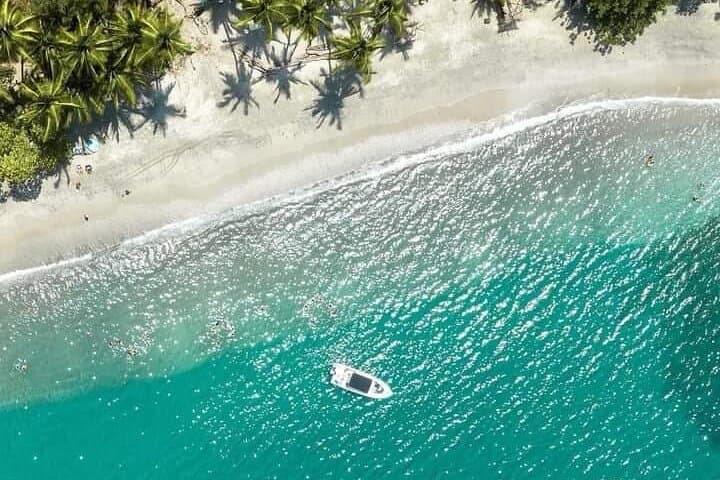
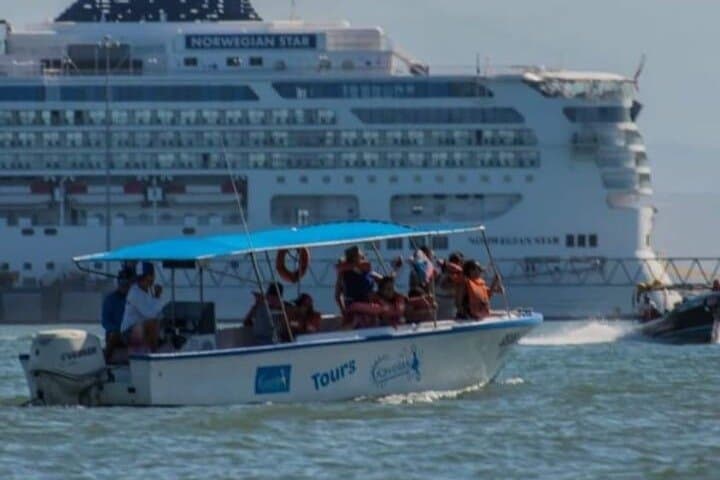
Waves click against the hull and the shoreline of Puntarenas shrinks into a band of palm and corrugated roofs as you cross the Gulf toward Isla Tortuga. The boat ride opens the day: salt-air stings the eyes, pelicans wheel, and the sea loosens its blue into the shallow reefs around the island. On arrival, the sand is pale and firm, and the reef drops off in a patchwork of coral heads where turtles and reef fish feed.
Verified experiences and guided adventures in the surrounding area.
Operated by Kavelas Tours · Puntarenas, Puntarenas
Waves click against the hull and the shoreline of Puntarenas shrinks into a band of palm and corrugated roofs as you cross the Gulf toward Isla Tortuga. The boat ride opens the day: salt-air stings the eyes, pelicans wheel, and the sea loosens its blue into the shallow reefs around the island. On arrival, the sand is pale and firm, and the reef drops off in a patchwork of coral heads where turtles and reef fish feed.
Geology here is simple: volcanic and sedimentary fragments from the Nicoya Peninsula create small offshore islands with steep drop-offs and sandy beaches. Historically, the Gulf of Nicoya has been a corridor for coastal trade and fishing communities; Punta Arenas (Puntarenas) grew as a port and launch point for excursions like this. Local culture values relaxed beach time and fresh seafood—expect basic island services and friendly, practical guides.
Practical guidance: the full trip runs about seven hours including boat transfers and two or three guided snorkeling stops. Bring reef-safe sunscreen, a long-sleeve rash guard, and a waterproof pouch for your phone. Snorkeling is suitable for beginners but requires basic comfort in open water; guides provide masks, fins and snorkels. Timing matters—calmer seas are more likely in the morning; afternoons can bring chop.
Safety notes: briefings cover currents and buddy procedures; keep a respectful distance from turtles and avoid touching coral. If you’re traveling from a cruise in Puntarenas, confirm pick-up times and luggage rules. The experience balances easygoing beach time with active snorkeling—good for families and first-time snorkelers seeking a straightforward day on Costa Rica’s Pacific coast.
moderate.
6–7 hours.
Suitable for travelers with moderate fitness who can swim and handle short boat transfers and snorkeling sessions.
No—basic comfort in the water and the ability to swim are sufficient; guides give a safety briefing and loan equipment.
Yes—families are welcome; infants should sit with adults and operators may have age or lap-seat rules; check at booking.
Wildlife cannot be guaranteed, but Turtle Island (Isla Tortuga) has regular sightings of green and hawksbill turtles near reef areas.
Most travelers arrive to Puntarenas by road or cruise-shore excursions; confirm pickup details with the operator—some offer transfers or meet at the municipal dock.
The Gulf of Nicoya has been a coastal trade and fishing area for centuries; Puntarenas developed as a port town and gateway to nearby islands.
Respect reef rules: no touching coral or chasing turtles, use reef-safe sunscreen, and follow guide instructions to minimize disturbance.
Kavelas Tours operates guided outdoor trips and adventures with an emphasis on safety, stewardship, and memorable experiences.
Waves click against the hull and the shoreline of Puntarenas shrinks into a band of palm and corrugated roofs as you cross the Gulf toward Isla Tortuga. The boat ride opens the day: salt-air stings the eyes, pelicans wheel, and the sea loosens its blue into the shallow reefs around the island. On arrival, the sand is pale and firm, and the reef drops off in a patchwork of coral heads where turtles and reef fish feed.
Waves click against the hull and the shoreline of Puntarenas shrinks into a band of palm and corrugated roofs as you cross the Gulf toward Isla Tortuga. The boat ride opens the day: salt-air stings the eyes, pelicans wheel, and the sea loosens its blue into the shallow reefs around the island. On arrival, the sand is pale and firm, and the reef drops off in a patchwork of coral heads where turtles and reef fish feed.
Geology here is simple: volcanic and sedimentary fragments from the Nicoya Peninsula create small offshore islands with steep drop-offs and sandy beaches. Historically, the Gulf of Nicoya has been a corridor for coastal trade and fishing communities; Punta Arenas (Puntarenas) grew as a port and launch point for excursions like this. Local culture values relaxed beach time and fresh seafood—expect basic island services and friendly, practical guides.
Practical guidance: the full trip runs about seven hours including boat transfers and two or three guided snorkeling stops. Bring reef-safe sunscreen, a long-sleeve rash guard, and a waterproof pouch for your phone. Snorkeling is suitable for beginners but requires basic comfort in open water; guides provide masks, fins and snorkels. Timing matters—calmer seas are more likely in the morning; afternoons can bring chop.
Safety notes: briefings cover currents and buddy procedures; keep a respectful distance from turtles and avoid touching coral. If you’re traveling from a cruise in Puntarenas, confirm pick-up times and luggage rules. The experience balances easygoing beach time with active snorkeling—good for families and first-time snorkelers seeking a straightforward day on Costa Rica’s Pacific coast.