THE ADVENTURE COLLECTIVE® · Independent discovery and booking for outdoor travel

A half-day boat tour from Chiquilá takes travelers across the Yalahau Coastal Lagoon to Isla Holbox, a low, sandy island famed for flamingos and coastal bird life. Expect calm boat crossings, mangrove channels, a seaside lunch and plenty of photo opportunities.
A half-day boat tour from Chiquilá takes travelers across the Yalahau Coastal Lagoon to Isla Holbox, a low, sandy island famed for flamingos and coastal bird life. Expect calm boat crossings, mangrove channels, a seaside lunch and plenty of photo opportunities.
A small motorboat slips away from Chiquilá and the Gulf opens up like a shallow, moving plain. Salt-bright wind pushes across the Yalahau Coastal Lagoon as guides scan mangrove islets and sand flats for long-necked silhouettes and the flash of pink. On this six-hour outing visitors trade the traffic of the mainland for low dunes, quiet beaches and dense mangrove channels where birds stage, fish stir and the lagoon itself seems to breathe.
Verified experiences and guided adventures in the surrounding area.
Operated by EcoColors Mexico · Holbox, Quintana Roo
A small motorboat slips away from Chiquilá and the Gulf opens up like a shallow, moving plain. Salt-bright wind pushes across the Yalahau Coastal Lagoon as guides scan mangrove islets and sand flats for long-necked silhouettes and the flash of pink. On this six-hour outing visitors trade the traffic of the mainland for low dunes, quiet beaches and dense mangrove channels where birds stage, fish stir and the lagoon itself seems to breathe.
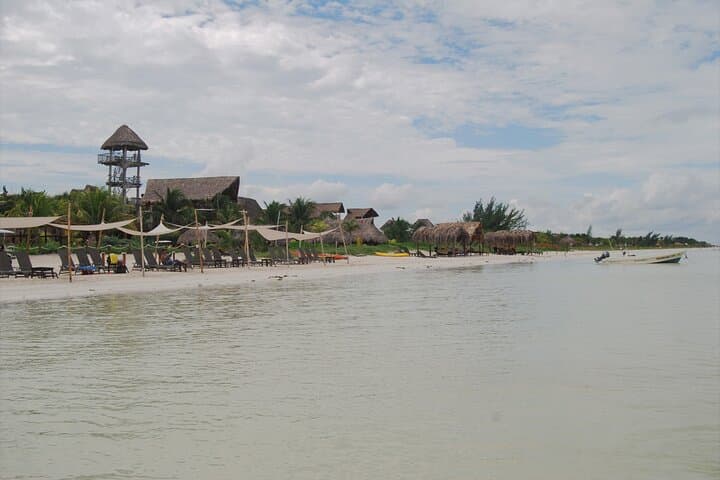
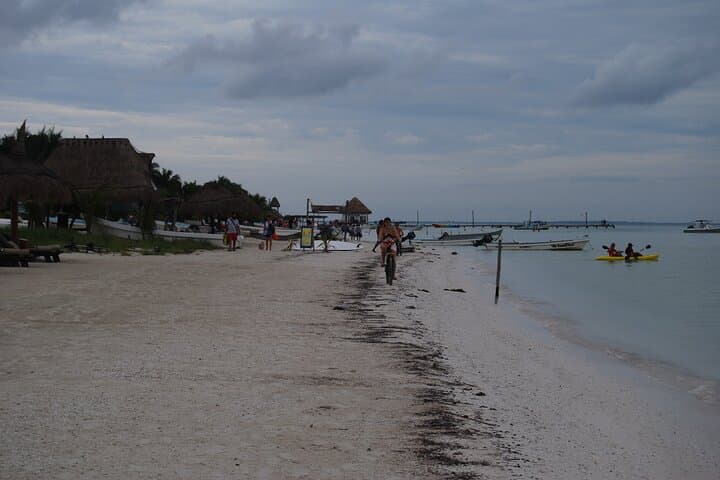
Holbox sits on the north edge of the Yucatán Peninsula, part of the Yum Balam protected area, and its flats are built from coral sands and the filtered runoff of coastal lagoons. The island’s human story is rooted in fishing and small-scale tourism; boatmen still read tides and bird patterns the way earlier generations read the sky.
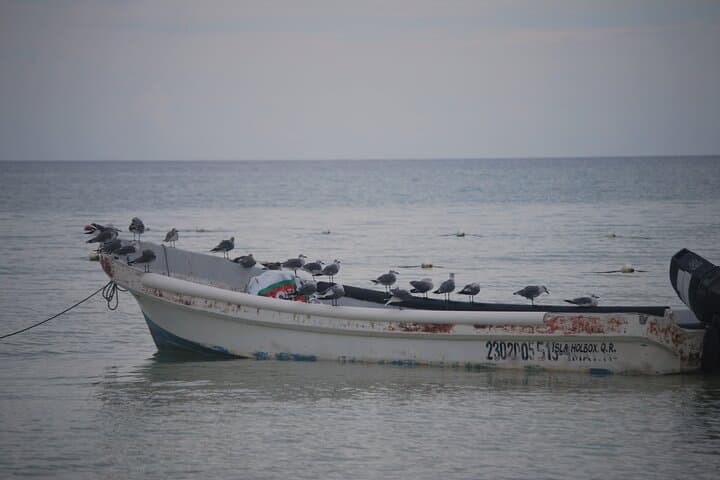
Expect flat, sandy terrain and calm, shallow water rather than steep hikes or cliffs. The trip focuses on wildlife viewing—pink flamingos, egrets, pelicans and nesting terns—plus the occasional crocodile sighting in quieter estuaries. Guides provide bilingual interpretation and a seaside lunch at a local restaurant.
Practical guidance: dress for the sun and salt—wide-brim hat, reef-safe sunscreen, and a light wind layer for the crossing. Bring binoculars and cash for small purchases. The boat segments are short but involve stepping on and off small craft; mobility is easy but requires steady footing. Plan the trip in the morning for cooler light and active birds, and respect nesting zones by keeping distance and quiet. This is a straightforward, high-reward day trip for anyone who wants close, ethical access to coastal birdlife and the slow rhythms of island life.
easy.
5–6 hours.
Suitable for most fitness levels; requires basic balance for boat transfers and short walks on sand
The active boat time is generally short—transfers and wildlife viewing across the lagoon are staggered over the tour, with the full excursion lasting about six hours.
The tour includes bottled water, snacks and a seaside lunch; notify the operator in advance of dietary restrictions.
Flamingos are commonly seen on the flats and in shallow lagoons; crocodiles (American crocodile) exist in the estuaries but sightings depend on season and location—guides maintain safe viewing distances.
Yes—physically the tour is easy, but consider boat-transfer mobility and sun exposure when traveling with very young children or guests with limited mobility.
Holbox developed as a small fishing community; its sheltered lagoon and sand flats were historically used for subsistence fishing and salt collection and later recognized for ecological importance.
Isla Holbox lies within the Yum Balam protection area—visitors should avoid disturbing nesting birds, use reef-safe products, and follow guide instructions to minimize impact.
EcoColors Mexico operates guided outdoor trips and adventures with an emphasis on safety, stewardship, and memorable experiences.

A small motorboat slips away from Chiquilá and the Gulf opens up like a shallow, moving plain. Salt-bright wind pushes across the Yalahau Coastal Lagoon as guides scan mangrove islets and sand flats for long-necked silhouettes and the flash of pink. On this six-hour outing visitors trade the traffic of the mainland for low dunes, quiet beaches and dense mangrove channels where birds stage, fish stir and the lagoon itself seems to breathe.
A small motorboat slips away from Chiquilá and the Gulf opens up like a shallow, moving plain. Salt-bright wind pushes across the Yalahau Coastal Lagoon as guides scan mangrove islets and sand flats for long-necked silhouettes and the flash of pink. On this six-hour outing visitors trade the traffic of the mainland for low dunes, quiet beaches and dense mangrove channels where birds stage, fish stir and the lagoon itself seems to breathe.
Holbox sits on the north edge of the Yucatán Peninsula, part of the Yum Balam protected area, and its flats are built from coral sands and the filtered runoff of coastal lagoons. The island’s human story is rooted in fishing and small-scale tourism; boatmen still read tides and bird patterns the way earlier generations read the sky.
Expect flat, sandy terrain and calm, shallow water rather than steep hikes or cliffs. The trip focuses on wildlife viewing—pink flamingos, egrets, pelicans and nesting terns—plus the occasional crocodile sighting in quieter estuaries. Guides provide bilingual interpretation and a seaside lunch at a local restaurant.
Practical guidance: dress for the sun and salt—wide-brim hat, reef-safe sunscreen, and a light wind layer for the crossing. Bring binoculars and cash for small purchases. The boat segments are short but involve stepping on and off small craft; mobility is easy but requires steady footing. Plan the trip in the morning for cooler light and active birds, and respect nesting zones by keeping distance and quiet. This is a straightforward, high-reward day trip for anyone who wants close, ethical access to coastal birdlife and the slow rhythms of island life.