THE ADVENTURE COLLECTIVE® · Independent discovery and booking for outdoor travel

A short water-taxi ride from Corralejo delivers you to Isla de Lobos, a protected islet of volcanic slopes, seabird colonies, and crystalline coves. Perfect for half-day explorations—hiking La Caldera, snorkeling protected reefs, or lingering by the lighthouse.
A short water-taxi ride from Corralejo delivers you to Isla de Lobos, a protected islet of volcanic slopes, seabird colonies, and crystalline coves. Perfect for half-day explorations—hiking La Caldera, snorkeling protected reefs, or lingering by the lighthouse.
The boat slips away from Corralejo with a soft, engine-whisper lull and the mainland blurs into a low, sun-baked strip. Sea-spray cuts across faces and the channel—known locally as El Río—opens like a cool throat between Fuerteventura and the small islet of Lobos. In twenty minutes the shoreline of pale sand and dark volcanic rock resolves; at the center, La Caldera rises to 127 meters, a compact cone that maps the island’s volcanic past.
Verified experiences and guided adventures in the surrounding area.
Operated by Barracuda Perdomo · Corralejo, Las Palmas
The boat slips away from Corralejo with a soft, engine-whisper lull and the mainland blurs into a low, sun-baked strip. Sea-spray cuts across faces and the channel—known locally as El Río—opens like a cool throat between Fuerteventura and the small islet of Lobos. In twenty minutes the shoreline of pale sand and dark volcanic rock resolves; at the center, La Caldera rises to 127 meters, a compact cone that maps the island’s volcanic past.
Isla de Lobos is compact—about 6 km² with 13.7 km of jagged coastline—but it carries layers of history. Phoenicians and later European sailors used the islet as a waypoint; its name refers to monk seals that once hauled out on beaches before being wiped out by fishermen. Today the islet is a protected natural park, a hot pocket of biodiversity with more than 130 plant species and seabird colonies—Cory’s shearwaters and gulls among them—and an underwater reserve where seagrass beds and rocky reefs shelter marine life.
Geology here is immediate: black basalt cliffs and pumice deposits drop into water that shifts from pale turquoise to deep cobalt in a matter of meters. The wind, known as the alisio, sculpts the dunes and pushes the surf; its direction makes quiet coves on the leeward side and jagged surf around headlands like Faro Martiño and El Puertito. You can climb La Caldera for a panoramic sweep of Fuerteventura and Lanzarote, or pick a quiet cove for snorkeling among protected reefs.
Locals treat Lobos with a careful courtesy. Rules are clear: stay on marked trails, don’t collect shells or plants, and avoid anchoring in the reserve. Reintroduction programs for monk seals have been discussed and small conservation projects run by local NGOs rely on visitor fees and awareness.
Practicalities are straightforward. Water taxis depart Corralejo; crossings typically take 15–30 minutes depending on sea state, and excursions run from quick drop-offs of two hours to half-day visits. Wear sturdy water shoes—the shore is rocky—and bring sun protection, water, and a lightweight wind layer; shade is sparse. If you plan to climb La Caldera, expect a 20–30 minute ascent on uneven volcanic scree with an exposed ridge at the top.
Snorkelers will find clear water and eelgrass meadows close to shore; currents can be deceptive, so swim with a buddy and stay within sight of the boat. Peak season brings more boats and crowds on popular beaches, so early-morning crossings reward you with quieter coves and active birdlife.
The islet’s small scale is its charm: a place where geological history, concentrated wildlife, and the pulse of the Atlantic meet. A short water taxi gives travelers a concentrated taste of the Canaries’ wild side—direct, tactile, and easy to reach from Corralejo.
easy.
2–6 hours.
Basic level of fitness for short hikes (La Caldera ascent is short but on loose rock)
Crossings typically take 15–30 minutes depending on sea conditions; operators will advise on exact times at booking.
Yes—snorkeling is allowed in designated areas of the marine reserve; bring your own gear and always watch for currents.
Facilities are minimal: there are no full-service restaurants or public restrooms in some areas—plan accordingly with water and snacks.
Family-friendly for short beach visits, but La Caldera’s trail is steep and uneven; strollers won’t be practical on rough paths.
Service animals are typically allowed, but pets should generally be kept off routes to protect wildlife—check with your operator beforehand.
No special permit is required for day visits, but the islet is a protected natural park—follow park rules and respect restricted zones.
Named for monk seals that once populated its beaches, Isla de Lobos saw centuries of fishing and brief human use before being designated a protected natural park.
The islet is a protected natural park with a marine reserve—visitors must stick to marked trails, avoid disturbing wildlife, and support local conservation efforts by following rules and not anchoring in reserve zones.
Barracuda Perdomo operates guided outdoor trips and adventures with an emphasis on safety, stewardship, and memorable experiences.
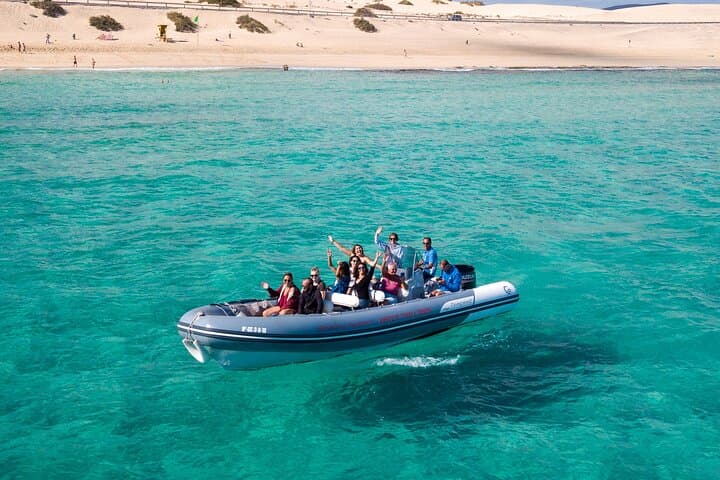
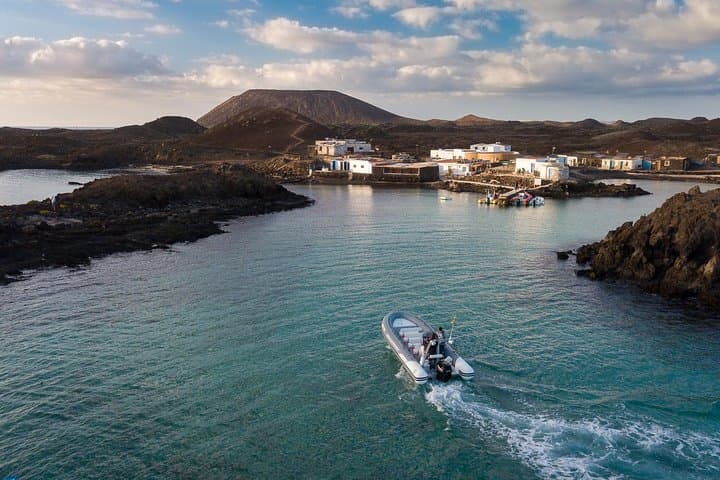
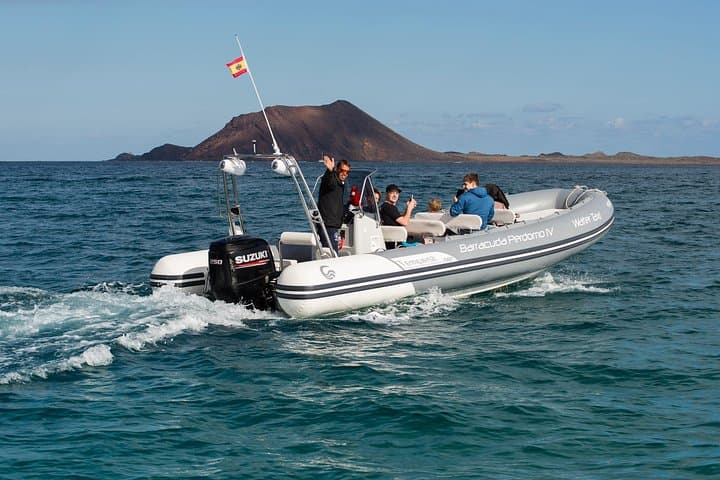
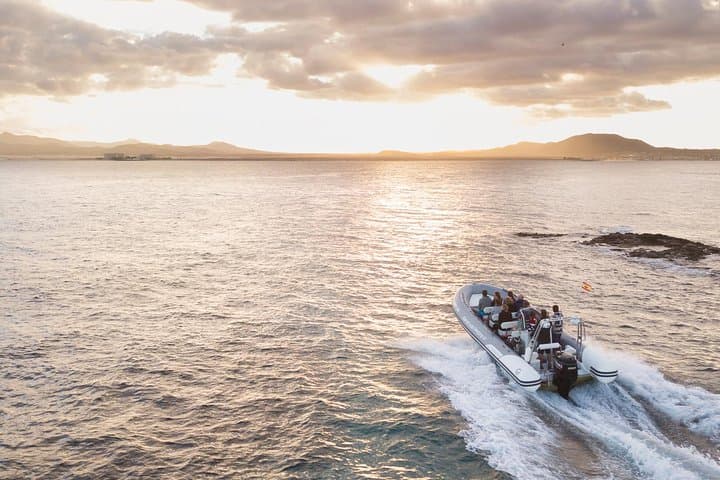
The boat slips away from Corralejo with a soft, engine-whisper lull and the mainland blurs into a low, sun-baked strip. Sea-spray cuts across faces and the channel—known locally as El Río—opens like a cool throat between Fuerteventura and the small islet of Lobos. In twenty minutes the shoreline of pale sand and dark volcanic rock resolves; at the center, La Caldera rises to 127 meters, a compact cone that maps the island’s volcanic past.
The boat slips away from Corralejo with a soft, engine-whisper lull and the mainland blurs into a low, sun-baked strip. Sea-spray cuts across faces and the channel—known locally as El Río—opens like a cool throat between Fuerteventura and the small islet of Lobos. In twenty minutes the shoreline of pale sand and dark volcanic rock resolves; at the center, La Caldera rises to 127 meters, a compact cone that maps the island’s volcanic past.
Isla de Lobos is compact—about 6 km² with 13.7 km of jagged coastline—but it carries layers of history. Phoenicians and later European sailors used the islet as a waypoint; its name refers to monk seals that once hauled out on beaches before being wiped out by fishermen. Today the islet is a protected natural park, a hot pocket of biodiversity with more than 130 plant species and seabird colonies—Cory’s shearwaters and gulls among them—and an underwater reserve where seagrass beds and rocky reefs shelter marine life.
Geology here is immediate: black basalt cliffs and pumice deposits drop into water that shifts from pale turquoise to deep cobalt in a matter of meters. The wind, known as the alisio, sculpts the dunes and pushes the surf; its direction makes quiet coves on the leeward side and jagged surf around headlands like Faro Martiño and El Puertito. You can climb La Caldera for a panoramic sweep of Fuerteventura and Lanzarote, or pick a quiet cove for snorkeling among protected reefs.
Locals treat Lobos with a careful courtesy. Rules are clear: stay on marked trails, don’t collect shells or plants, and avoid anchoring in the reserve. Reintroduction programs for monk seals have been discussed and small conservation projects run by local NGOs rely on visitor fees and awareness.
Practicalities are straightforward. Water taxis depart Corralejo; crossings typically take 15–30 minutes depending on sea state, and excursions run from quick drop-offs of two hours to half-day visits. Wear sturdy water shoes—the shore is rocky—and bring sun protection, water, and a lightweight wind layer; shade is sparse. If you plan to climb La Caldera, expect a 20–30 minute ascent on uneven volcanic scree with an exposed ridge at the top.
Snorkelers will find clear water and eelgrass meadows close to shore; currents can be deceptive, so swim with a buddy and stay within sight of the boat. Peak season brings more boats and crowds on popular beaches, so early-morning crossings reward you with quieter coves and active birdlife.
The islet’s small scale is its charm: a place where geological history, concentrated wildlife, and the pulse of the Atlantic meet. A short water taxi gives travelers a concentrated taste of the Canaries’ wild side—direct, tactile, and easy to reach from Corralejo.