THE ADVENTURE COLLECTIVE® · Independent discovery and booking for outdoor travel

A short ferry ride from Corralejo opens onto Isla de Lobos’ volcanic shores and clear snorkeling waters. This half-day trip blends a mini-cruise, a guided 25-minute snorkel, and free time to explore a protected natural park.
A short ferry ride from Corralejo opens onto Isla de Lobos’ volcanic shores and clear snorkeling waters. This half-day trip blends a mini-cruise, a guided 25-minute snorkel, and free time to explore a protected natural park.
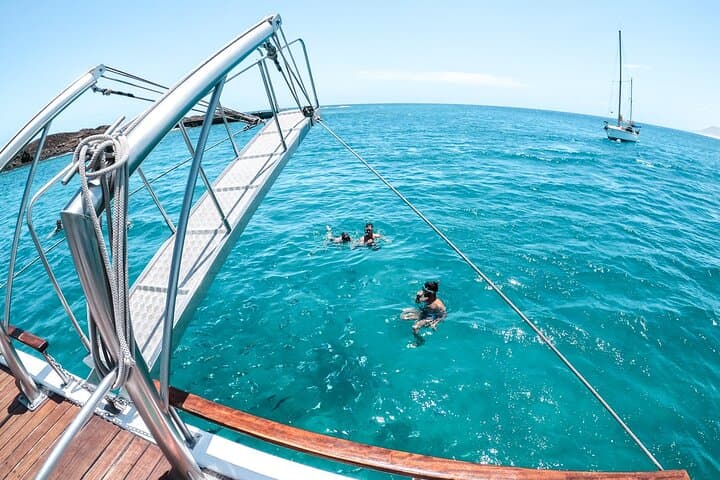
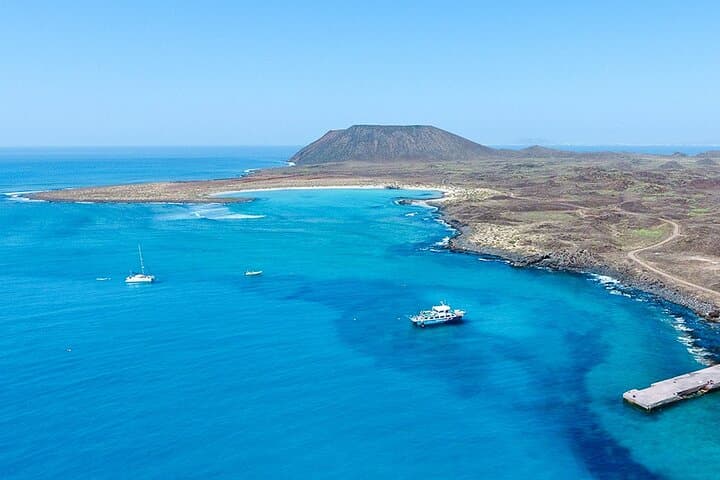
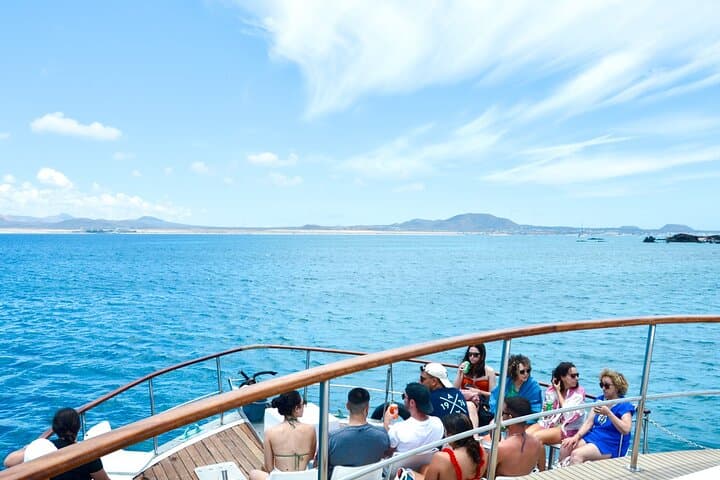
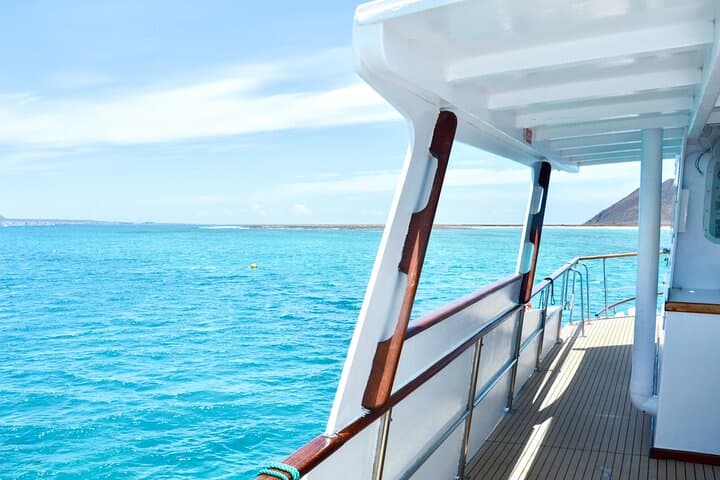
The small ferry slips away from Corralejo with the kind of confident ease that only a boat that’s run the route for generations can show. The deck smells of salt and sunscreen; wind teases loose hair and a paperback page; the lighthouse on Isla de Lobos grows from horizon to presence. In a short ten-minute hop you reach El Puertito, a pocket of white sand ringed by volcanic rock, where the Atlantic breathes cold water into shallow reefs that dare you to dive in.
Verified experiences and guided adventures in the surrounding area.
Operated by Naviera Nortour | Barco Majorero · Corralejo, Fuerteventura
The small ferry slips away from Corralejo with the kind of confident ease that only a boat that’s run the route for generations can show. The deck smells of salt and sunscreen; wind teases loose hair and a paperback page; the lighthouse on Isla de Lobos grows from horizon to presence. In a short ten-minute hop you reach El Puertito, a pocket of white sand ringed by volcanic rock, where the Atlantic breathes cold water into shallow reefs that dare you to dive in.
Isla de Lobos is not an island of soft edges. Its landscape reads like a compact geology lesson — black basalt, pumice fields and the old tuff cones that remind you this place was forged by fire and sea. Fishermen long used the island as a waypoint; you can still see old stone landing points and the modest 19th-century lighthouse at Punta Martiño keeping a patient watch. The island became a protected natural park to preserve those marine and bird habitats, and the lack of shops and paved promenades keeps the character raw and direct.
Culture here is small-scale and maritime. The ferry operator Barco Majorero is family-run, and the mini-cruise to El Puertito feels like joining a long line of locals who come to fish, snorkel, and pause on the wind-swept shore. Underwater, the reef life is immediately approachable: white seabream and salema porgy graze calmly in the shallows, while the brightly patterned Canary parrotfish chews on algae and rocks, oblivious to your shadow.
Practicality governs the day. The whole trip runs roughly four hours — ferry crossings plus a 25-minute guided snorkel from the boat and time to explore the island if you arrive early. There are no shops on Lobos, so pack food, water, and sun protection before you leave Corralejo. Plan to arrive at the Naviera Nortour ticket office at least 20 minutes early; parking near the port fills up fast in summer. Basic swimming skills and comfort in the water are enough for the short snorkel, but currents can pick up, so listen to the crew’s safety briefing.
Leave the island as you found it: take only photos, step only on hardened paths, and avoid disturbing nesting birds or marine life. The reward is simple and direct — crystalline water, close-up marine encounters, and the broad horizon of the Canary Current. For a half-day outing from Corralejo, it’s a clear, saltwise way to feel how geology and ocean life shape this corner of Fuerteventura.
easy.
4 hours.
Basic fitness and comfort in the water; able to walk short uneven distances and swim in shallow reef areas.
Yes — the tour includes a snorkel and mask for the 25-minute in-water session; you can bring your own for a better fit.
If you take an early ferry (10:00 or 11:15) you can disembark and explore; the boat crew will coordinate return boarding times for the afternoon snorkel.
Facilities are minimal and the small beach kiosk is not always open — plan as if there are none and bring supplies.
Yes — the trip is rated easy and families are welcome, but children should be competent swimmers and supervised during snorkeling.
The operator may cancel due to adverse conditions; you will be offered a full refund or the option to reschedule.
Bring a copy of your DNI, passport, or ID card — identification may be requested when boarding.
Long used as a stopover for local fishermen, Isla de Lobos later gained protection as a natural park; remnants of old landings and the 19th-century lighthouse mark its maritime past.
The island is a protected area — visitors must stick to paths, carry out all litter, and use reef-safe sunscreens to protect marine habitats.
Naviera Nortour | Barco Majorero operates guided outdoor trips and adventures with an emphasis on safety, stewardship, and memorable experiences.
The small ferry slips away from Corralejo with the kind of confident ease that only a boat that’s run the route for generations can show. The deck smells of salt and sunscreen; wind teases loose hair and a paperback page; the lighthouse on Isla de Lobos grows from horizon to presence. In a short ten-minute hop you reach El Puertito, a pocket of white sand ringed by volcanic rock, where the Atlantic breathes cold water into shallow reefs that dare you to dive in.
The small ferry slips away from Corralejo with the kind of confident ease that only a boat that’s run the route for generations can show. The deck smells of salt and sunscreen; wind teases loose hair and a paperback page; the lighthouse on Isla de Lobos grows from horizon to presence. In a short ten-minute hop you reach El Puertito, a pocket of white sand ringed by volcanic rock, where the Atlantic breathes cold water into shallow reefs that dare you to dive in.
Isla de Lobos is not an island of soft edges. Its landscape reads like a compact geology lesson — black basalt, pumice fields and the old tuff cones that remind you this place was forged by fire and sea. Fishermen long used the island as a waypoint; you can still see old stone landing points and the modest 19th-century lighthouse at Punta Martiño keeping a patient watch. The island became a protected natural park to preserve those marine and bird habitats, and the lack of shops and paved promenades keeps the character raw and direct.
Culture here is small-scale and maritime. The ferry operator Barco Majorero is family-run, and the mini-cruise to El Puertito feels like joining a long line of locals who come to fish, snorkel, and pause on the wind-swept shore. Underwater, the reef life is immediately approachable: white seabream and salema porgy graze calmly in the shallows, while the brightly patterned Canary parrotfish chews on algae and rocks, oblivious to your shadow.
Practicality governs the day. The whole trip runs roughly four hours — ferry crossings plus a 25-minute guided snorkel from the boat and time to explore the island if you arrive early. There are no shops on Lobos, so pack food, water, and sun protection before you leave Corralejo. Plan to arrive at the Naviera Nortour ticket office at least 20 minutes early; parking near the port fills up fast in summer. Basic swimming skills and comfort in the water are enough for the short snorkel, but currents can pick up, so listen to the crew’s safety briefing.
Leave the island as you found it: take only photos, step only on hardened paths, and avoid disturbing nesting birds or marine life. The reward is simple and direct — crystalline water, close-up marine encounters, and the broad horizon of the Canary Current. For a half-day outing from Corralejo, it’s a clear, saltwise way to feel how geology and ocean life shape this corner of Fuerteventura.