THE ADVENTURE COLLECTIVE® · Independent discovery and booking for outdoor travel

Step onto Isla de la Plata for a compact “Little Galápagos” experience: guided seabird walks, snorkeling with sea turtles, and seasonally reliable whale sightings. This one-day trip from Puerto López blends nature interpretation with hands-on encounters.
Step onto Isla de la Plata for a compact “Little Galápagos” experience: guided seabird walks, snorkeling with sea turtles, and seasonally reliable whale sightings. This one-day trip from Puerto López blends nature interpretation with hands-on encounters.
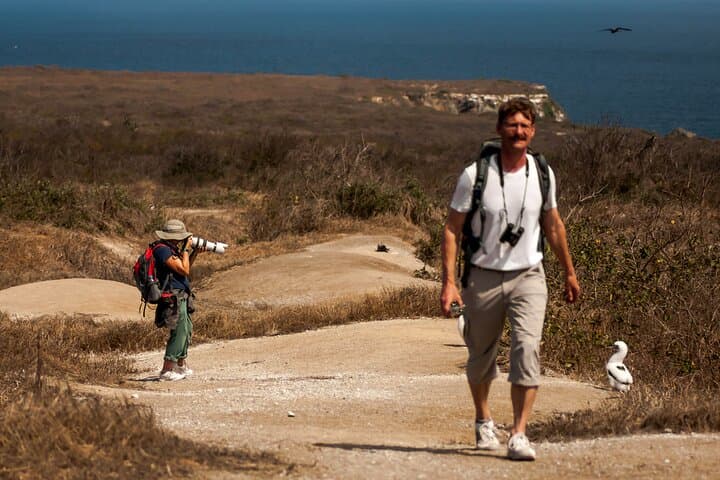
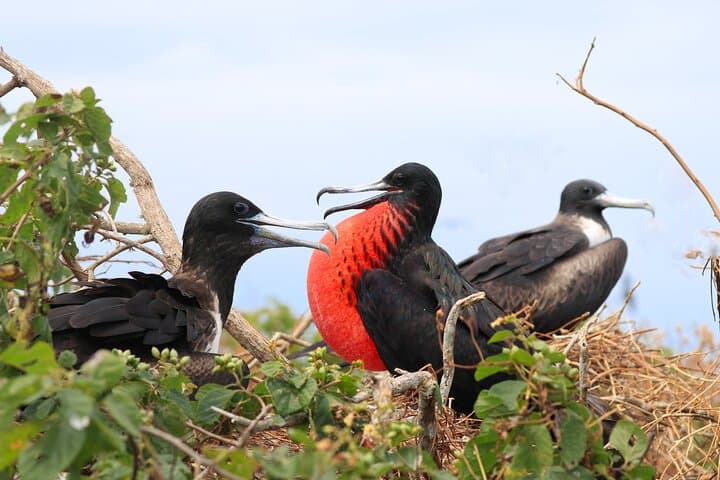
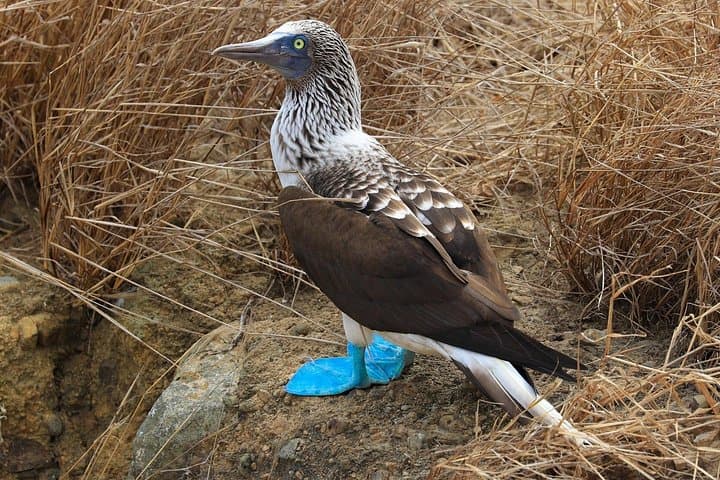
The boat cuts loose from Puerto López and the Pacific opens like a moving room; gulls wheel and the island looms low on the horizon, its cliffs a collage of white guano and scrub. On arrival, guides lead small groups along narrow trails where the air tastes of salt and guano, and blue-footed boobies perform their awkward courtships on rocky ledges. The island moves around you — frigatebirds hover like kites, and the surf hits the volcanic cliffs with a steady percussion.
Verified experiences and guided adventures in the surrounding area.
Operated by PALO SANTO TRAVEL · Puerto López, Manabí
The boat cuts loose from Puerto López and the Pacific opens like a moving room; gulls wheel and the island looms low on the horizon, its cliffs a collage of white guano and scrub. On arrival, guides lead small groups along narrow trails where the air tastes of salt and guano, and blue-footed boobies perform their awkward courtships on rocky ledges. The island moves around you — frigatebirds hover like kites, and the surf hits the volcanic cliffs with a steady percussion.
Isla de la Plata is geologically an uplifted submarine formation closely related to the coastal terraces of western Ecuador. Machalilla National Park protects this pocket of coastal biodiversity and the nearby continental beaches that have supported seafood-gathering communities for centuries; the Palo Santo information center documents local whaling history and cultural ties to the sea.
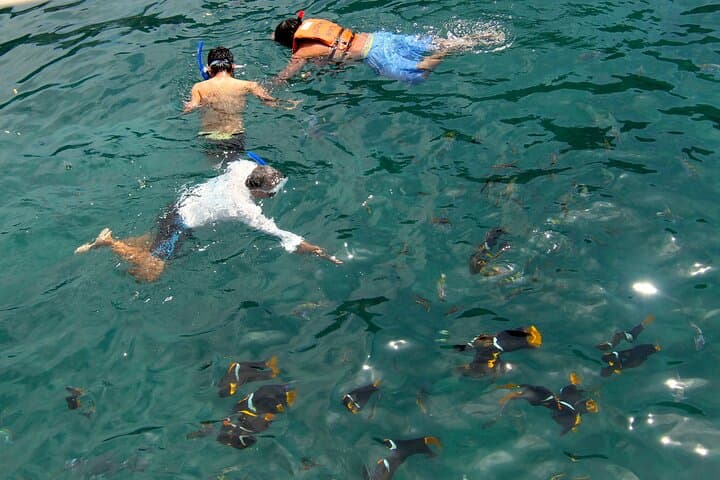
The day combines a 2–3 hour guided walk with snorkeling in clear bays where sea turtles, colorful reef fish, and occasionally playful dolphins patrol the shallows. Between June and October, migrating humpback whales pass close enough for reliable sightings. Guides provide context about nesting seabirds, reef health, and responsible wildlife viewing.
Practical side: wear sturdy, grippy shoes for rocky trails, reef-safe sunscreen, and bring a lightweight cover for shifting sun and wind. Expect 6–7 hours total from pickup to return; small groups and bilingual naturalists make the outing approachable for families. Hydration, steady footing on uneven ground, and basic snorkeling comfort will make the day more rewarding — the island rewards attentive travelers with close, unfiltered encounters with Pacific wildlife.
easy.
6–7 hours.
Suitable for most fitness levels; participants should be comfortable with 1–3 miles of walking on uneven terrain and short snorkeling sessions.
Whales migrate to Ecuadorian waters and sightings are highly likely between June and October, but never absolutely guaranteed by nature.
Yes — guides provide snorkeling gear, but bringing a personal mask can improve fit and comfort.
Walks are rated easy — trails are short but uneven; expect rocky footing and some low-angle climbs.
Tours typically include bilingual guides (Spanish and English); confirm at booking if you need another language.
The island and nearby coast have long been used by coastal communities; today Machalilla National Park protects both cultural sites and important marine breeding grounds.
Visitors must follow park rules: no touching wildlife, stay on marked trails, and use reef‑safe products to minimize impacts on fragile corals and breeding birds.
PALO SANTO TRAVEL operates guided outdoor trips and adventures with an emphasis on safety, stewardship, and memorable experiences.
The boat cuts loose from Puerto López and the Pacific opens like a moving room; gulls wheel and the island looms low on the horizon, its cliffs a collage of white guano and scrub. On arrival, guides lead small groups along narrow trails where the air tastes of salt and guano, and blue-footed boobies perform their awkward courtships on rocky ledges. The island moves around you — frigatebirds hover like kites, and the surf hits the volcanic cliffs with a steady percussion.
The boat cuts loose from Puerto López and the Pacific opens like a moving room; gulls wheel and the island looms low on the horizon, its cliffs a collage of white guano and scrub. On arrival, guides lead small groups along narrow trails where the air tastes of salt and guano, and blue-footed boobies perform their awkward courtships on rocky ledges. The island moves around you — frigatebirds hover like kites, and the surf hits the volcanic cliffs with a steady percussion.
Isla de la Plata is geologically an uplifted submarine formation closely related to the coastal terraces of western Ecuador. Machalilla National Park protects this pocket of coastal biodiversity and the nearby continental beaches that have supported seafood-gathering communities for centuries; the Palo Santo information center documents local whaling history and cultural ties to the sea.
The day combines a 2–3 hour guided walk with snorkeling in clear bays where sea turtles, colorful reef fish, and occasionally playful dolphins patrol the shallows. Between June and October, migrating humpback whales pass close enough for reliable sightings. Guides provide context about nesting seabirds, reef health, and responsible wildlife viewing.
Practical side: wear sturdy, grippy shoes for rocky trails, reef-safe sunscreen, and bring a lightweight cover for shifting sun and wind. Expect 6–7 hours total from pickup to return; small groups and bilingual naturalists make the outing approachable for families. Hydration, steady footing on uneven ground, and basic snorkeling comfort will make the day more rewarding — the island rewards attentive travelers with close, unfiltered encounters with Pacific wildlife.