THE ADVENTURE COLLECTIVE® · Independent discovery and booking for outdoor travel

Board a boat from Cancun and spend a day snorkeling the Ixlaché Reef, exploring the protected bird sanctuary of Isla Contoy, then relaxing and shopping on Isla Mujeres. This full-day trip blends guided nature interpretation with easy snorkeling and white-sand beaches.
Board a boat from Cancun and spend a day snorkeling the Ixlaché Reef, exploring the protected bird sanctuary of Isla Contoy, then relaxing and shopping on Isla Mujeres. This full-day trip blends guided nature interpretation with easy snorkeling and white-sand beaches.
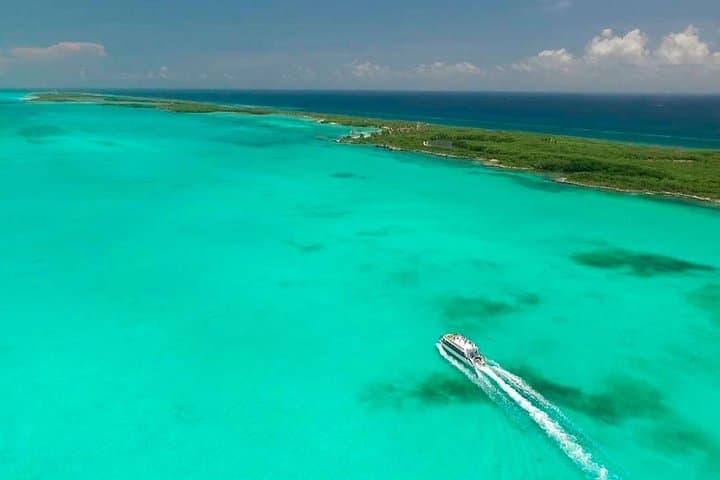
The boat slips away from Cancun’s marina with a low, steady hum; the city skyline shrinks behind you, and the Caribbean opens like a bright, moving map. Salt cuts the air, pelicans wheel in the wake, and the guide lays out the day: a snorkeling stop at Ixlaché Reef, a protected visit to Isla Contoy, then downtime and shopping on Isla Mujeres. It’s the kind of long day that feels generous — hours on clear water, a shallow reef that dares you to lean in, and a private-feel island where seabirds outnumber people.
Verified experiences and guided adventures in the surrounding area.
Operated by Cancun Mayan Travel · Cancun, Quintana Roo
The boat slips away from Cancun’s marina with a low, steady hum; the city skyline shrinks behind you, and the Caribbean opens like a bright, moving map. Salt cuts the air, pelicans wheel in the wake, and the guide lays out the day: a snorkeling stop at Ixlaché Reef, a protected visit to Isla Contoy, then downtime and shopping on Isla Mujeres. It’s the kind of long day that feels generous — hours on clear water, a shallow reef that dares you to lean in, and a private-feel island where seabirds outnumber people.
Isla Contoy is small and exacting: a limestone cay born from coral growth and wind, sitting just off the northern tip of Isla Mujeres. Part of the larger Mesoamerican Barrier Reef system — the second-largest reef in the world — the area’s geology is all carbonate shelves and living reef. Contoy itself was set aside to protect nesting birds and native dunes, and visitor numbers are tightly limited. Nearby Isla Mujeres carries a different history: a centuries-deep fishing tradition, a reputation for laid-back craft markets, and modern tourism centered on sandy shores and reef access.
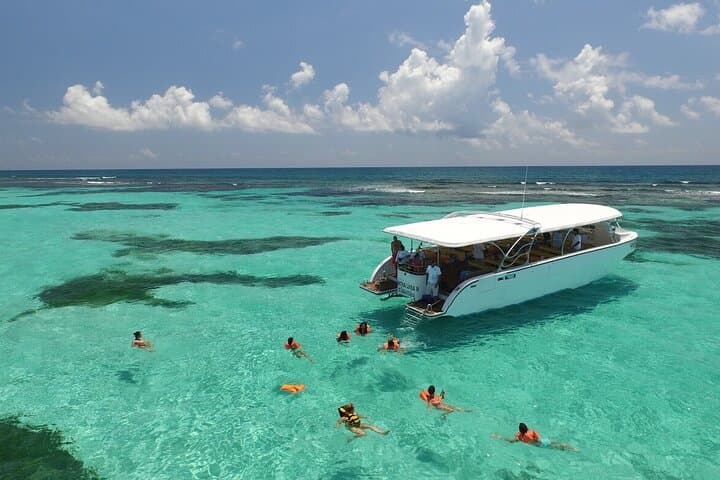
On Contoy, a certified guide walks you across boardwalks and dunes, pointing out terns and frigatebirds and explaining conservation rules: stay on paths, don’t touch nests, and no single-use plastics. The snorkeling at Ixlaché is practical spectacle — about 45 minutes of guided swimming among hard corals, parrotfish and angelfish. The reef’s shallows make it easy for novice snorkelers to hover above coral gardens; currents are generally mild but respect the guide’s safety briefings.
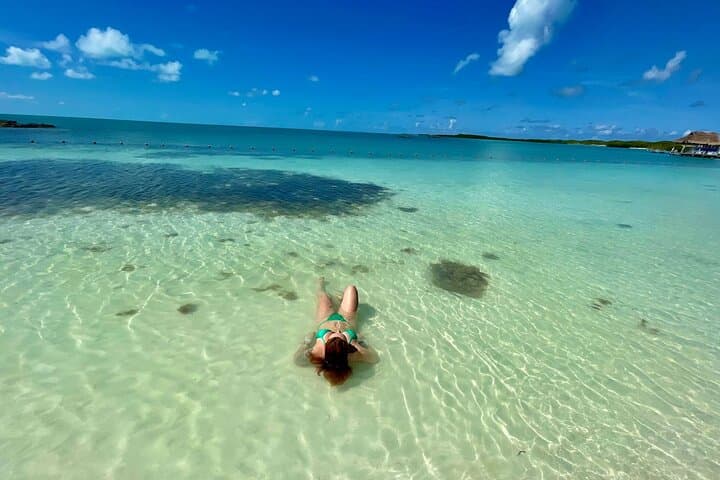
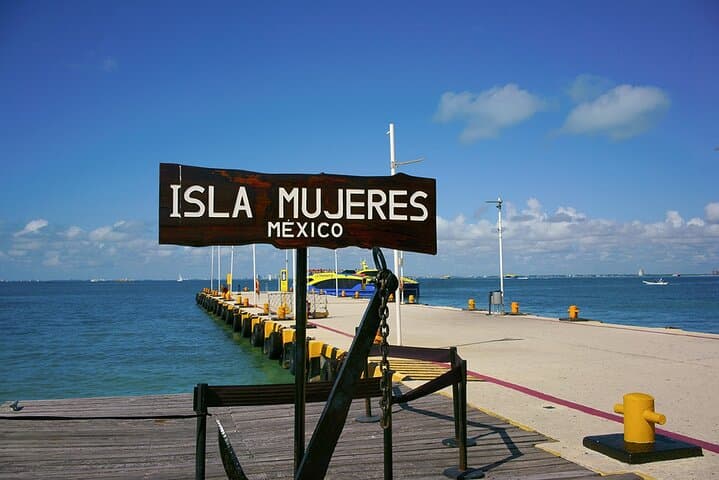
By midday the trip unravels into softer hours: a beach buffet of regional staples, the national open bar aboard the boat, and a chance to swim in warm, waist-deep water. Later, a stop at Isla Mujeres gives you free time to stroll colorful streets, scout hand‑made souvenirs, or climb to Punta Sur for a coastal panorama.
Practical details: the full excursion runs roughly 11–12 hours door-to-door with pickups beginning around 7:00 a.m.; expect a dock fee of about $20 USD per person. Snorkel gear is provided, along with bilingual guides, continental breakfast and a beach buffet lunch. The operator enforces conservation limits on Contoy, so book ahead — daily spots are capped.
Pack reef‑safe sunscreen, a light sun layer, cash for the dock fee and small purchases, and motion‑sickness meds if you’re prone. Move deliberately: keep distance from nesting birds, don’t stand on coral, and follow guide instructions in the water. Do that, and the day delivers the rare combination of accessible marine life, focused conservation, and the simple reward of a long, clear ocean view.
easy.
11–12 hours.
Suitable for most fitness levels; you should be able to swim and climb short sandy paths.
Expect about 11–12 hours total with pickups starting around 7:00 a.m.; return times vary by hotel location.
Yes—snorkel equipment is provided for the reef and nearshore snorkeling sessions.
The tour includes continental breakfast, a beach buffet lunch, and a national open bar onboard.
Yes—children are welcome, but the island’s rules require supervision and respect for protected areas; not recommended for those with spinal or severe heart issues.
Dock fees are typically cash-only; bring approximately $20 USD per person in small bills.
The reef stop is in shallow water, and guides provide life jackets if needed; however, basic comfort in water is recommended.
Isla Contoy was designated a protected area in the late 20th century to safeguard seabird colonies and fragile coastal habitats; the region’s maritime history also includes Mayan fishing routes along the reef.
Visitor numbers to Contoy are strictly limited to protect nesting birds and coral; follow guide instructions and use reef‑safe products to minimize impact.
Cancun Mayan Travel operates guided outdoor trips and adventures with an emphasis on safety, stewardship, and memorable experiences.
The boat slips away from Cancun’s marina with a low, steady hum; the city skyline shrinks behind you, and the Caribbean opens like a bright, moving map. Salt cuts the air, pelicans wheel in the wake, and the guide lays out the day: a snorkeling stop at Ixlaché Reef, a protected visit to Isla Contoy, then downtime and shopping on Isla Mujeres. It’s the kind of long day that feels generous — hours on clear water, a shallow reef that dares you to lean in, and a private-feel island where seabirds outnumber people.
The boat slips away from Cancun’s marina with a low, steady hum; the city skyline shrinks behind you, and the Caribbean opens like a bright, moving map. Salt cuts the air, pelicans wheel in the wake, and the guide lays out the day: a snorkeling stop at Ixlaché Reef, a protected visit to Isla Contoy, then downtime and shopping on Isla Mujeres. It’s the kind of long day that feels generous — hours on clear water, a shallow reef that dares you to lean in, and a private-feel island where seabirds outnumber people.
Isla Contoy is small and exacting: a limestone cay born from coral growth and wind, sitting just off the northern tip of Isla Mujeres. Part of the larger Mesoamerican Barrier Reef system — the second-largest reef in the world — the area’s geology is all carbonate shelves and living reef. Contoy itself was set aside to protect nesting birds and native dunes, and visitor numbers are tightly limited. Nearby Isla Mujeres carries a different history: a centuries-deep fishing tradition, a reputation for laid-back craft markets, and modern tourism centered on sandy shores and reef access.
On Contoy, a certified guide walks you across boardwalks and dunes, pointing out terns and frigatebirds and explaining conservation rules: stay on paths, don’t touch nests, and no single-use plastics. The snorkeling at Ixlaché is practical spectacle — about 45 minutes of guided swimming among hard corals, parrotfish and angelfish. The reef’s shallows make it easy for novice snorkelers to hover above coral gardens; currents are generally mild but respect the guide’s safety briefings.
By midday the trip unravels into softer hours: a beach buffet of regional staples, the national open bar aboard the boat, and a chance to swim in warm, waist-deep water. Later, a stop at Isla Mujeres gives you free time to stroll colorful streets, scout hand‑made souvenirs, or climb to Punta Sur for a coastal panorama.
Practical details: the full excursion runs roughly 11–12 hours door-to-door with pickups beginning around 7:00 a.m.; expect a dock fee of about $20 USD per person. Snorkel gear is provided, along with bilingual guides, continental breakfast and a beach buffet lunch. The operator enforces conservation limits on Contoy, so book ahead — daily spots are capped.
Pack reef‑safe sunscreen, a light sun layer, cash for the dock fee and small purchases, and motion‑sickness meds if you’re prone. Move deliberately: keep distance from nesting birds, don’t stand on coral, and follow guide instructions in the water. Do that, and the day delivers the rare combination of accessible marine life, focused conservation, and the simple reward of a long, clear ocean view.