THE ADVENTURE COLLECTIVE® · Independent discovery and booking for outdoor travel

Paddle from Playa Sámara to the small Isla Chora, explore pink-tinged sand and snorkel over shallow coral gardens. This 3‑hour, tide-dependent outing pairs easy kayaking with approachable snorkeling—ideal for travelers with moderate fitness.
Paddle from Playa Sámara to the small Isla Chora, explore pink-tinged sand and snorkel over shallow coral gardens. This 3‑hour, tide-dependent outing pairs easy kayaking with approachable snorkeling—ideal for travelers with moderate fitness.
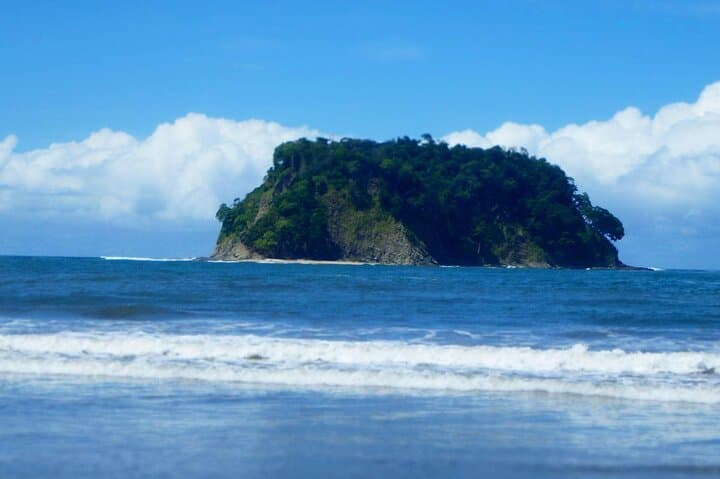
Morning light strips the shoreline of Playa Sámara and the sea opens like a quiet highway. Paddlers push off into calm, glassy water, the kayak slipping forward while a breeze tugs at the bow. Chora Island grows out of the horizon—small, rocky, edged with pale pink sand and a family of hermit crabs that skitter like punctuation marks.
Verified experiences and guided adventures in the surrounding area.
Operated by Samara explorers · Sámara, Guanacaste
Morning light strips the shoreline of Playa Sámara and the sea opens like a quiet highway. Paddlers push off into calm, glassy water, the kayak slipping forward while a breeze tugs at the bow. Chora Island grows out of the horizon—small, rocky, edged with pale pink sand and a family of hermit crabs that skitter like punctuation marks.
The Nicoya Peninsula is volcanic in origin and the shallow shelf around Chora supports pocket reefs and seagrass beds; currents shape the sandbars and reveal tide-dependent access. Samara itself began as a fishing village and still carries a maritime culture—local guides read swell and season the way sailors once read stars.
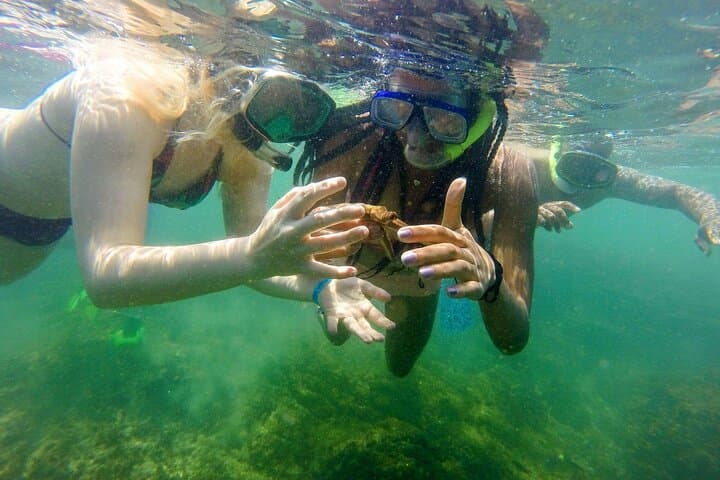
Expect a concise, 3-hour outing: safety briefing, a guided paddle to the island, 20 minutes to explore the shoreline, then snorkeling over coral heads that shelter colorful reef fish. Guides supply kayaks, life vests, and snorkel gear; the route is short but exposed to sun and changing tides. Visibility is best in the dry season; afternoon trips can face building wind and chop.
Practical edge: this is a moderate activity—basic paddling and comfortable surface-snorkeling skills required. Wear water shoes, apply reef-safe sunscreen, and bring a small dry bag for phone and keys. Follow the guide’s exit window: the island is accessible at low tide only.
Leave nothing behind, observe iguanas and hermit crabs from a distance, and plan morning slots for calmer water and clearer underwater views. The trip is compact, rich in marine life, and ideal for travelers wanting a short, active Pacific encounter.
moderate.
3 hours.
Moderate—comfortable with continuous paddling for short stretches and basic snorkeling; not suitable for those with serious back or heart conditions.
Yes—guides provide a safety briefing, life vests, and basic paddling instruction; you should be comfortable in open water and able to swim.
The island approach is accessible only at low tide; operators run morning and afternoon windows to match safe entry and exit.
Yes—snorkel masks, fins and life vests are included, though many travelers prefer to bring a personal mask.
Not recommended for pregnant travelers or those with serious heart or spinal conditions; minimum physical fitness is required for paddling.
Sámara grew as a small Pacific fishing community; the coastal islands served locals as fishing and foraging stops before tourism grew.
The area hosts fragile coral and seagrass habitats—use reef-safe sunscreen, avoid touching coral or wildlife, and follow guides on minimal-impact beach use.
Samara explorers operates guided outdoor trips and adventures with an emphasis on safety, stewardship, and memorable experiences.


Morning light strips the shoreline of Playa Sámara and the sea opens like a quiet highway. Paddlers push off into calm, glassy water, the kayak slipping forward while a breeze tugs at the bow. Chora Island grows out of the horizon—small, rocky, edged with pale pink sand and a family of hermit crabs that skitter like punctuation marks.
Morning light strips the shoreline of Playa Sámara and the sea opens like a quiet highway. Paddlers push off into calm, glassy water, the kayak slipping forward while a breeze tugs at the bow. Chora Island grows out of the horizon—small, rocky, edged with pale pink sand and a family of hermit crabs that skitter like punctuation marks.
The Nicoya Peninsula is volcanic in origin and the shallow shelf around Chora supports pocket reefs and seagrass beds; currents shape the sandbars and reveal tide-dependent access. Samara itself began as a fishing village and still carries a maritime culture—local guides read swell and season the way sailors once read stars.
Expect a concise, 3-hour outing: safety briefing, a guided paddle to the island, 20 minutes to explore the shoreline, then snorkeling over coral heads that shelter colorful reef fish. Guides supply kayaks, life vests, and snorkel gear; the route is short but exposed to sun and changing tides. Visibility is best in the dry season; afternoon trips can face building wind and chop.
Practical edge: this is a moderate activity—basic paddling and comfortable surface-snorkeling skills required. Wear water shoes, apply reef-safe sunscreen, and bring a small dry bag for phone and keys. Follow the guide’s exit window: the island is accessible at low tide only.
Leave nothing behind, observe iguanas and hermit crabs from a distance, and plan morning slots for calmer water and clearer underwater views. The trip is compact, rich in marine life, and ideal for travelers wanting a short, active Pacific encounter.