THE ADVENTURE COLLECTIVE® · Independent discovery and booking for outdoor travel

A compact two-day circuit from Dushanbe that pairs the sapphire bowl of Iskanderkul with the cascading pools of Haft Kul. Expect clear alpine lakes, village teahouses, and moderate trekking on well-defined trails.
A compact two-day circuit from Dushanbe that pairs the sapphire bowl of Iskanderkul with the cascading pools of Haft Kul. Expect clear alpine lakes, village teahouses, and moderate trekking on well-defined trails.
A cool morning wind pushes against the minibus as it climbs out of Dushanbe; the road threads into the Fann Mountains and the air sharpens to alpine clarity. By late morning you step onto the shore of Iskanderkul — a deep blue bowl at about 2,100 m — where the lake’s surface seems to dare you to look away. Trails fan out toward Snake Lake and the 38 m Fan Niagara waterfall, and villages tuck into river terraces below the ridgelines.
Verified experiences and guided adventures in the surrounding area.
Operated by Explore Pamir · Panjakent, Sughd Region
A cool morning wind pushes against the minibus as it climbs out of Dushanbe; the road threads into the Fann Mountains and the air sharpens to alpine clarity. By late morning you step onto the shore of Iskanderkul — a deep blue bowl at about 2,100 m — where the lake’s surface seems to dare you to look away. Trails fan out toward Snake Lake and the 38 m Fan Niagara waterfall, and villages tuck into river terraces below the ridgelines.
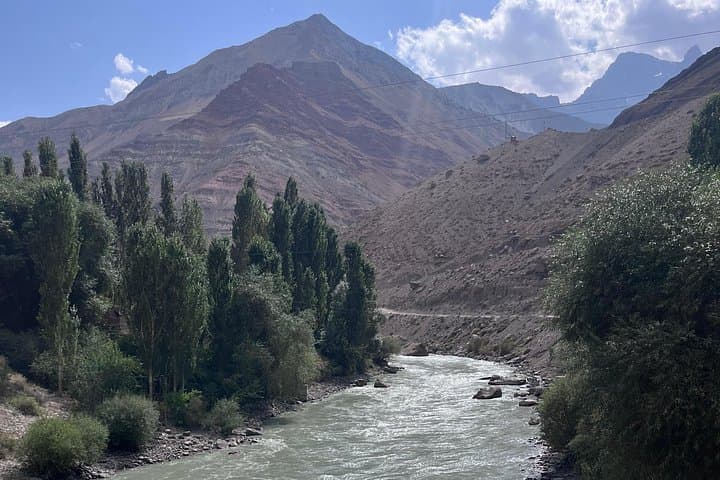
Geology here is raw: folded sedimentary rock scarred by quakes and glacial carving, which created the Haft Kul (Seven Lakes) chain. Local Tajik and Sogdian histories echo in village teahouses; elders still tell origin stories of sparkling lakes and mountain spirits. The road to Haft Kul follows an old river-course shifted by seismic events, giving the lakes their stair-step arrangement and varied hues.
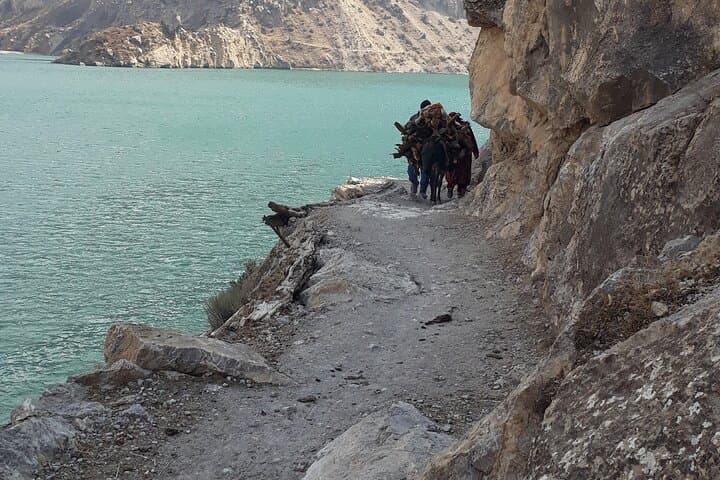
Expect easy-to-moderate hiking on well-defined dirt tracks, gentle slopes between lakes, and short steeps to viewpoints — altitude reaches around 2,400 m at Hazor Chashma. You’ll walk through pasture, scattered juniper, and limestone outcrops, with plentiful chances to meet villagers and sample green tea. Practical notes: pace yourself for two long travel days, carry layers for sudden wind and sun, and bring water treatment if you plan to refill from streams. Guides handle navigation and transport; be prepared for basic mountain accommodation in Panjakent. The route rewards straightforward effort with sweeping lake views, active river voices, and a clear sense of place in the northern Tajik highlands.
moderate.
2 days.
Good general fitness; comfortable with 3–6 mile (5–10 km) hikes and sustained walking at altitude.
Most trails between Iskanderkul, Snake Lake and Haft Kul are well-defined with gentle slopes; expect moderate effort rather than technical scrambling.
Altitude reaches around 2,400 m; most travelers acclimatize with proper pacing and hydration, but anyone with cardiovascular issues should consult a doctor first.
Nights are spent in basic local hotels in Panjakent with modest amenities; guides handle logistics so you won’t need camping gear.
Yes, streams and springs are common but treat water with a filter or tablets before drinking to avoid gastrointestinal issues.
The Fann Mountains sit along routes used by Sogdian traders; local villages preserve language and crafts that reflect centuries of highland life.
Visitors should stick to trails and pack out waste; water sources are delicate and increasing tourism puts pressure on trailheads and village resources.
Explore Pamir operates guided outdoor trips and adventures with an emphasis on safety, stewardship, and memorable experiences.
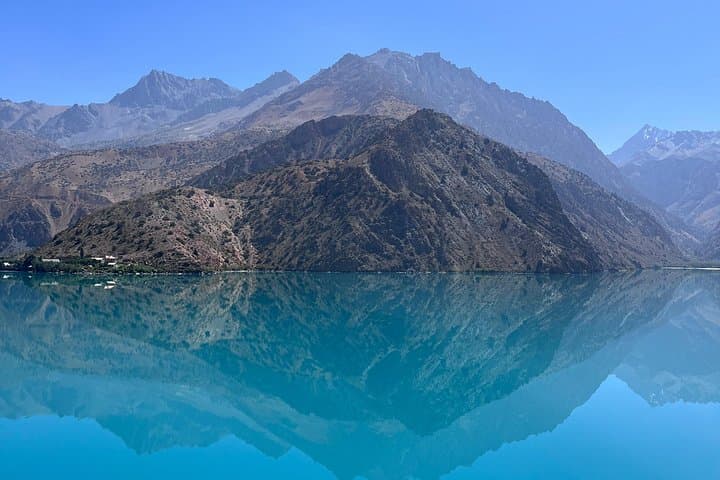
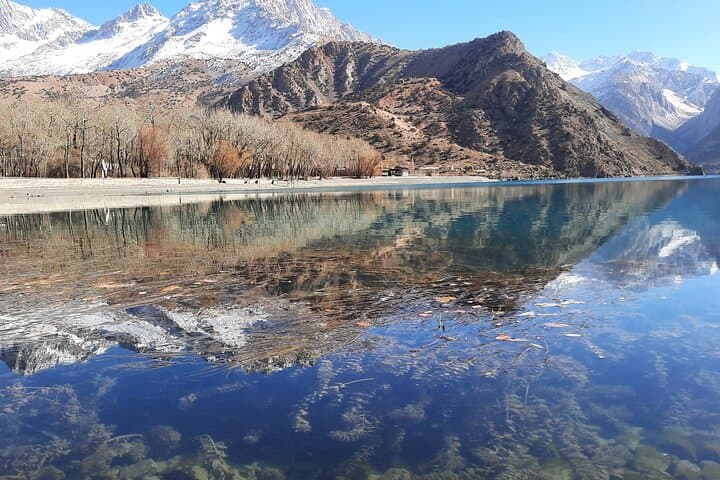
A cool morning wind pushes against the minibus as it climbs out of Dushanbe; the road threads into the Fann Mountains and the air sharpens to alpine clarity. By late morning you step onto the shore of Iskanderkul — a deep blue bowl at about 2,100 m — where the lake’s surface seems to dare you to look away. Trails fan out toward Snake Lake and the 38 m Fan Niagara waterfall, and villages tuck into river terraces below the ridgelines.
A cool morning wind pushes against the minibus as it climbs out of Dushanbe; the road threads into the Fann Mountains and the air sharpens to alpine clarity. By late morning you step onto the shore of Iskanderkul — a deep blue bowl at about 2,100 m — where the lake’s surface seems to dare you to look away. Trails fan out toward Snake Lake and the 38 m Fan Niagara waterfall, and villages tuck into river terraces below the ridgelines.
Geology here is raw: folded sedimentary rock scarred by quakes and glacial carving, which created the Haft Kul (Seven Lakes) chain. Local Tajik and Sogdian histories echo in village teahouses; elders still tell origin stories of sparkling lakes and mountain spirits. The road to Haft Kul follows an old river-course shifted by seismic events, giving the lakes their stair-step arrangement and varied hues.
Expect easy-to-moderate hiking on well-defined dirt tracks, gentle slopes between lakes, and short steeps to viewpoints — altitude reaches around 2,400 m at Hazor Chashma. You’ll walk through pasture, scattered juniper, and limestone outcrops, with plentiful chances to meet villagers and sample green tea. Practical notes: pace yourself for two long travel days, carry layers for sudden wind and sun, and bring water treatment if you plan to refill from streams. Guides handle navigation and transport; be prepared for basic mountain accommodation in Panjakent. The route rewards straightforward effort with sweeping lake views, active river voices, and a clear sense of place in the northern Tajik highlands.