THE ADVENTURE COLLECTIVE® · Independent discovery and booking for outdoor travel

Walk among wind-carved sandstone pillars and see stone tools dated up to 100,000 years old on a full-day trip from Iringa. This practical guide explains what to expect—terrain, timing, and what to pack—so you can focus on the archaeology and landscape.
Walk among wind-carved sandstone pillars and see stone tools dated up to 100,000 years old on a full-day trip from Iringa. This practical guide explains what to expect—terrain, timing, and what to pack—so you can focus on the archaeology and landscape.
You step off the vehicle onto a plain of wind-sculpted sandstone where columns rise like the ribs of an old earth. Dry grasses whisper; the warm Tanzania sun etches each pillar into sharp relief. The air smells faintly of dust and wild sage, and you can imagine ancient hands striking flint on those same stones.
Verified experiences and guided adventures in the surrounding area.
Operated by Wild Gaze Safaris Limited · Iringa, Iringa Region
You step off the vehicle onto a plain of wind-sculpted sandstone where columns rise like the ribs of an old earth. Dry grasses whisper; the warm Tanzania sun etches each pillar into sharp relief. The air smells faintly of dust and wild sage, and you can imagine ancient hands striking flint on those same stones.
Isimila became internationally known after late-1950s excavations that revealed hammerstones, axeheads and scrapers dated roughly 60,000–100,000 years old. The site sits about 21 km southwest of Iringa and features a compact museum with clearly labeled finds that place the landscape in human time. Geologically, the area is dominated by heavily eroded sandstone and lateritic soils; water and wind have carved the pillars into narrow, irregular forms that frame short walking routes.
Visitors also pass through contemporary local landscapes shaped by the Hehe people's history and small-scale agriculture; roadside villages provide quick cultural context and occasional roadside markets. Conservation is simple but important: foot traffic concentrates on informal paths, so staying on hardened tracks minimizes erosion and protects exposed artifacts.
Practical details: expect an 8-hour day including round-trip transport from Iringa, a museum visit and open-site walking. Terrain is uneven with low, loose rock—flat but irregular, not steep. The tour typically includes bottled water, lunch and parking fees; private transportation is provided and a mobile ticket suffices. Bring sun protection, sturdy closed shoes, insect repellent and a small daypack. Aim to visit in morning light for the best photography and to avoid peak heat. With modest effort you'll walk among geological features that still hold human history in their folds.
easy.
8 hours.
Suitable for most fitness levels; requires walking on uneven ground for up to a few hours.
Isimila is about 21 km southwest of Iringa; the full-day tour typically runs about 8 hours including transport, museum time and site walking.
The museum is accessible, but the outdoor site has uneven ground and low rock steps; supervised children and those with limited mobility should take care and may find parts of the site challenging.
Most organized tours include admission, bottled water and lunch; confirm with your booking as inclusions can vary.
Photography is generally allowed for the landscape and displays, but touching artifacts is prohibited—museum items and in-situ finds are protected for conservation and study.
Excavations in the late 1950s uncovered stone tools that place human activity at Isimila tens of thousands of years ago; the region is also historically connected to the Hehe people and 19th-century local history.
Foot traffic concentrates erosion on fragile sandstone; visitors should follow paths and avoid climbing unstable columns to preserve features and archaeological context.
Wild Gaze Safaris Limited operates guided outdoor trips and adventures with an emphasis on safety, stewardship, and memorable experiences.


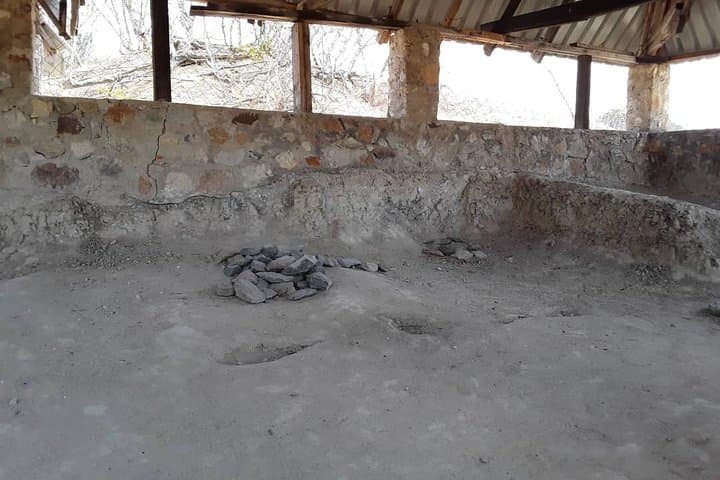

You step off the vehicle onto a plain of wind-sculpted sandstone where columns rise like the ribs of an old earth. Dry grasses whisper; the warm Tanzania sun etches each pillar into sharp relief. The air smells faintly of dust and wild sage, and you can imagine ancient hands striking flint on those same stones.
You step off the vehicle onto a plain of wind-sculpted sandstone where columns rise like the ribs of an old earth. Dry grasses whisper; the warm Tanzania sun etches each pillar into sharp relief. The air smells faintly of dust and wild sage, and you can imagine ancient hands striking flint on those same stones.
Isimila became internationally known after late-1950s excavations that revealed hammerstones, axeheads and scrapers dated roughly 60,000–100,000 years old. The site sits about 21 km southwest of Iringa and features a compact museum with clearly labeled finds that place the landscape in human time. Geologically, the area is dominated by heavily eroded sandstone and lateritic soils; water and wind have carved the pillars into narrow, irregular forms that frame short walking routes.
Visitors also pass through contemporary local landscapes shaped by the Hehe people's history and small-scale agriculture; roadside villages provide quick cultural context and occasional roadside markets. Conservation is simple but important: foot traffic concentrates on informal paths, so staying on hardened tracks minimizes erosion and protects exposed artifacts.
Practical details: expect an 8-hour day including round-trip transport from Iringa, a museum visit and open-site walking. Terrain is uneven with low, loose rock—flat but irregular, not steep. The tour typically includes bottled water, lunch and parking fees; private transportation is provided and a mobile ticket suffices. Bring sun protection, sturdy closed shoes, insect repellent and a small daypack. Aim to visit in morning light for the best photography and to avoid peak heat. With modest effort you'll walk among geological features that still hold human history in their folds.