THE ADVENTURE COLLECTIVE® · Independent discovery and booking for outdoor travel

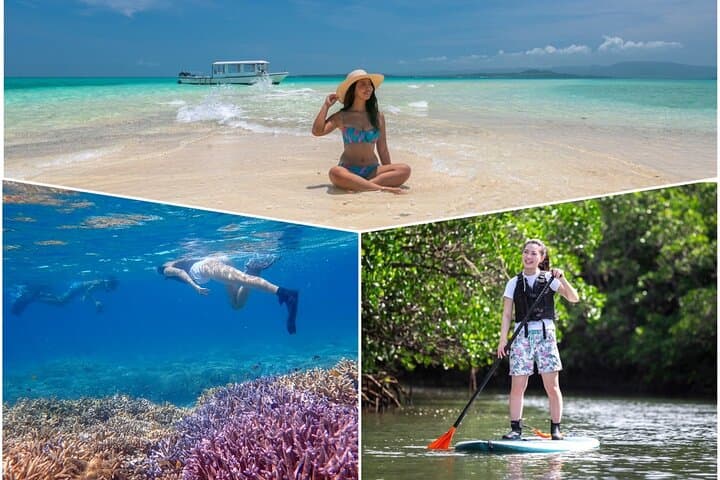
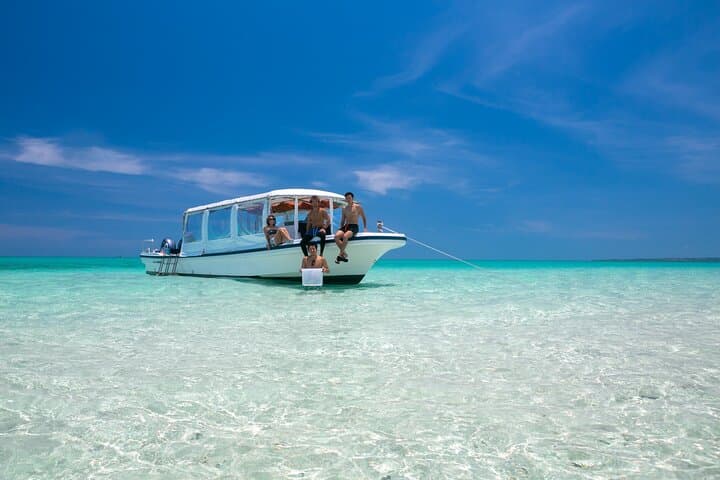
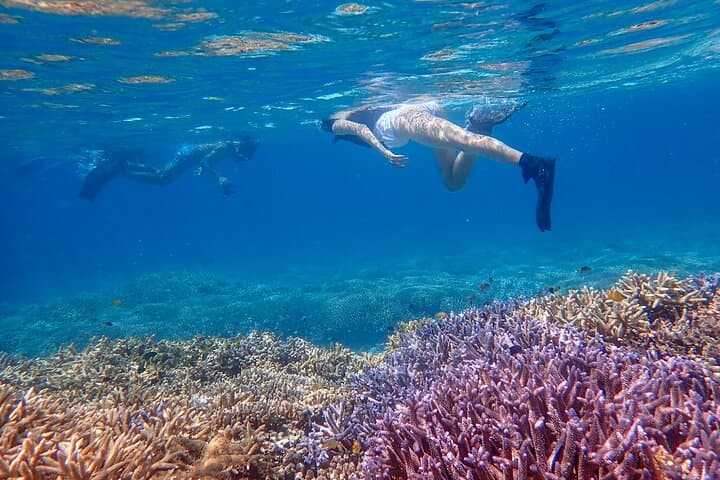
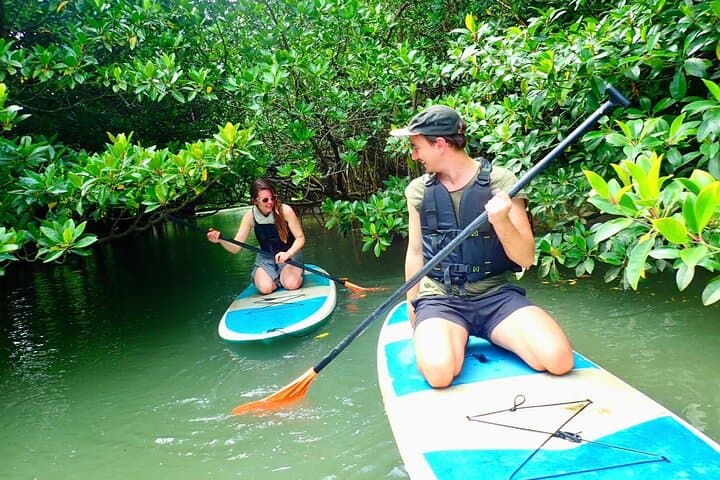
Float through Miyara River’s ancient mangroves by SUP or canoe, then snorkel the shifting sandbank called Phantom Island where coral gardens teem with color. This four-hour eco-focused trip balances gentle paddling with vibrant reef exploration.
Float through Miyara River’s ancient mangroves by SUP or canoe, then snorkel the shifting sandbank called Phantom Island where coral gardens teem with color. This four-hour eco-focused trip balances gentle paddling with vibrant reef exploration.
You push off from a quiet slip, the paddle cutting a mirrored surface while the mangroves reach low and dark, their prop roots clutching the river like fingers. Light fractures in green; the guide points to a flash of silver — a fish slipping through a root maze — and the river answers with a slow, tidal push toward the open sea.
Verified experiences and guided adventures in the surrounding area.
Operated by ISHIGAKI ADVENTURE PiPi · Ishigaki, Okinawa
You push off from a quiet slip, the paddle cutting a mirrored surface while the mangroves reach low and dark, their prop roots clutching the river like fingers. Light fractures in green; the guide points to a flash of silver — a fish slipping through a root maze — and the river answers with a slow, tidal push toward the open sea.
This outing pairs a slow, intimate paddle through Miyara River’s hirugi (mangrove) forest with a reef snorkel at the shifting sandbank known locally as Phantom Island. Miyara River is designated among Japan’s treasured mangrove stands, formed where coral-derived sands meet tropical tides. The coastline around Ishigaki is part of the Ryukyu island arc; its limestone and coral foundations produce shallow reefs and sudden drop-offs that concentrate marine life.
Culturally, the sea shapes daily life here — fishing, saltmaking and Ryukyuan traditions remain visible in local harbors and markets. Guides emphasize low-impact travel: choose reef-safe sunscreen, avoid standing on coral and follow briefing instructions to protect juveniles and seagrass.
Practical guidance: the tour runs about four hours, with paddle options for SUP or stable two-person canoes; children may use canoes depending on conditions. Gear and life jackets are provided; bring a towel, quick-dry layers and snacks. Expect warm, humid weather with strong sun — start early to avoid afternoon winds and plan restroom stops before boarding as facilities are limited. The rhythm of this trip is deliberate: slow river float, then an invigorating reef swim where turquoise water and schooling fish dare you into the shallows.
easy.
4 hours.
Suitable for beginners and families; some paddle stamina and basic swimming ability recommended for the snorkel segment.
No — guides give basic SUP/canoe instruction and stabilize options are available; children may be placed in canoes depending on conditions.
Yes, snorkeling equipment and life jackets are supplied; wetsuits are available in winter months.
Total time is about four hours and meeting details are sent before the tour; late bookings may meet at Ishigaki Port Remote Island Terminal.
Children aged 3–11 can participate; staff may assign stable canoes for younger kids and limit activities based on sea conditions.
Miyara River’s hirugi forest is a nationally recognized natural feature shaped by coral sands and Ryukyu sea currents; local fishing and salt traditions reflect centuries of island life.
Operators emphasize low-impact touring—use reef-safe products, avoid touching coral and follow guides to minimize disturbance to seagrass and juvenile fish.
ISHIGAKI ADVENTURE PiPi operates guided outdoor trips and adventures with an emphasis on safety, stewardship, and memorable experiences.
You push off from a quiet slip, the paddle cutting a mirrored surface while the mangroves reach low and dark, their prop roots clutching the river like fingers. Light fractures in green; the guide points to a flash of silver — a fish slipping through a root maze — and the river answers with a slow, tidal push toward the open sea.
You push off from a quiet slip, the paddle cutting a mirrored surface while the mangroves reach low and dark, their prop roots clutching the river like fingers. Light fractures in green; the guide points to a flash of silver — a fish slipping through a root maze — and the river answers with a slow, tidal push toward the open sea.
This outing pairs a slow, intimate paddle through Miyara River’s hirugi (mangrove) forest with a reef snorkel at the shifting sandbank known locally as Phantom Island. Miyara River is designated among Japan’s treasured mangrove stands, formed where coral-derived sands meet tropical tides. The coastline around Ishigaki is part of the Ryukyu island arc; its limestone and coral foundations produce shallow reefs and sudden drop-offs that concentrate marine life.
Culturally, the sea shapes daily life here — fishing, saltmaking and Ryukyuan traditions remain visible in local harbors and markets. Guides emphasize low-impact travel: choose reef-safe sunscreen, avoid standing on coral and follow briefing instructions to protect juveniles and seagrass.
Practical guidance: the tour runs about four hours, with paddle options for SUP or stable two-person canoes; children may use canoes depending on conditions. Gear and life jackets are provided; bring a towel, quick-dry layers and snacks. Expect warm, humid weather with strong sun — start early to avoid afternoon winds and plan restroom stops before boarding as facilities are limited. The rhythm of this trip is deliberate: slow river float, then an invigorating reef swim where turquoise water and schooling fish dare you into the shallows.