THE ADVENTURE COLLECTIVE® · Independent discovery and booking for outdoor travel

Witness the island’s rare Yaeyama-himebotaru as dusk turns a forest into a field of living lights. This short, seasonal tour (March–May) pairs easy walking with strict light-free viewing for maximum impact.
Witness the island’s rare Yaeyama-himebotaru as dusk turns a forest into a field of living lights. This short, seasonal tour (March–May) pairs easy walking with strict light-free viewing for maximum impact.
The forest goes quiet as the last color of sunset slips behind low limestone ridges and the undergrowth inhales the warm, humid air. In that hush, Yaeyama-himebotaru — a tiny, island-endemic firefly — begins its slow choreography: single pinpricks, then a spreading pulse that makes the palms and understory look like the sky has fallen into the trees.
Verified experiences and guided adventures in the surrounding area.
Operated by ISHIGAKI ADVENTURE PiPi · Ishigaki, Okinawa Prefecture
The forest goes quiet as the last color of sunset slips behind low limestone ridges and the undergrowth inhales the warm, humid air. In that hush, Yaeyama-himebotaru — a tiny, island-endemic firefly — begins its slow choreography: single pinpricks, then a spreading pulse that makes the palms and understory look like the sky has fallen into the trees.
On Ishigaki Island this short seasonal event ties to the islands’ subtropical geology and Ryukyuan history. The coral-derived limestone and porous soils create the humid, shaded creeks fireflies prefer, while local communities have long balanced small-scale agriculture and mangrove preservation that sustain insect habitat. The tour lands you at a low-elevation forest stand where guides ask for absolute darkness so the insects’ bioluminescence can dominate.
Expect a calm, low-impact outing: a brief walk from the pickup point, standing quietly for the display, and a return drive in under three hours. This is a cultural-natural encounter as much as a wildlife viewing—respectful behavior and silence are part of the experience.
Practical guidance: arrive on time for scheduled pickups, wear closed-toe shoes for uneven ground, choose long sleeves and insect protection appropriate for sensitive species, and leave flash photography and phone lights off. If conditions are wet the tour may proceed; strong winds, heavy rain, or poor firefly emergence can lead to cancellation. For travelers the payoff is immediate: an intimate, ephemeral light show that rewards patience and restraint.
easy.
2 hours.
Minimal fitness needed—short, mostly flat walk and standing for up to 45 minutes; suitable for most adults and children aged 3+
This limited-time tour operates in spring, typically March through May, when Yaeyama-himebotaru emergence is most reliable.
Flash and bright phone lights are prohibited; long-exposure photography without visible light may be possible but is usually discouraged to avoid disturbance.
Yes—pickup and drop-off from Ishigaki Port Remote Island Terminal or accommodations are included; confirm your pickup point when booking.
Participants must be between 3 and 65 years old; pregnant guests and those with certain medical conditions cannot join for safety reasons.
Ishigaki and the Yaeyama Islands have Ryukyuan cultural roots; local land use and small-scale farming historically helped preserve lowland forest and freshwater streams that fireflies need.
Light pollution and habitat loss threaten firefly populations—tours enforce no-light rules and encourage visitors to stay on paths and avoid insecticide use.
ISHIGAKI ADVENTURE PiPi operates guided outdoor trips and adventures with an emphasis on safety, stewardship, and memorable experiences.
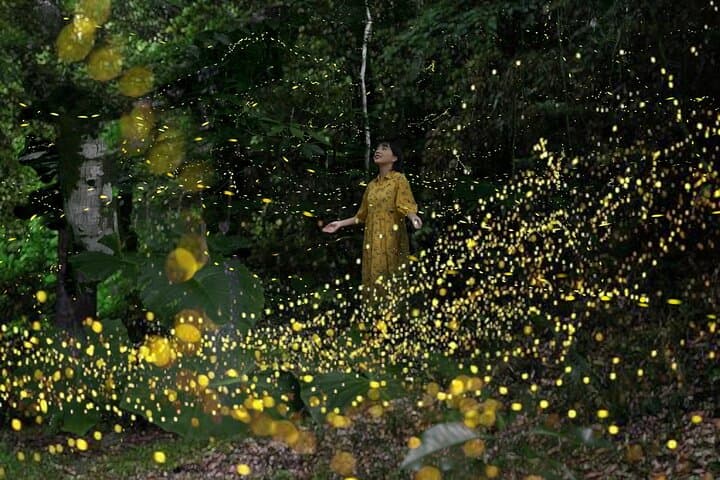
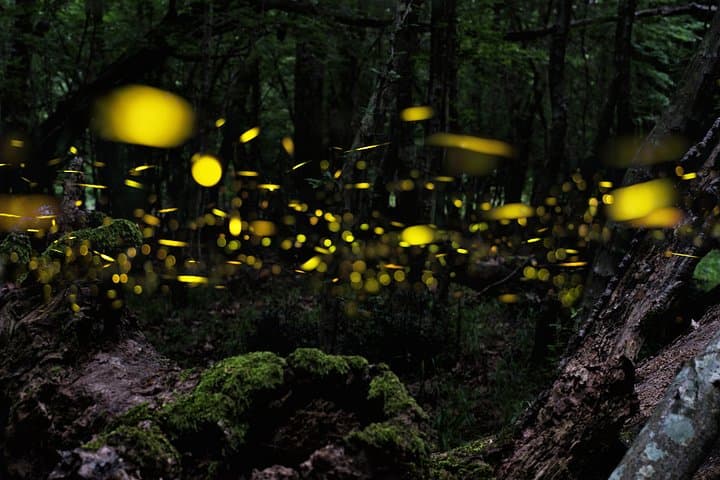
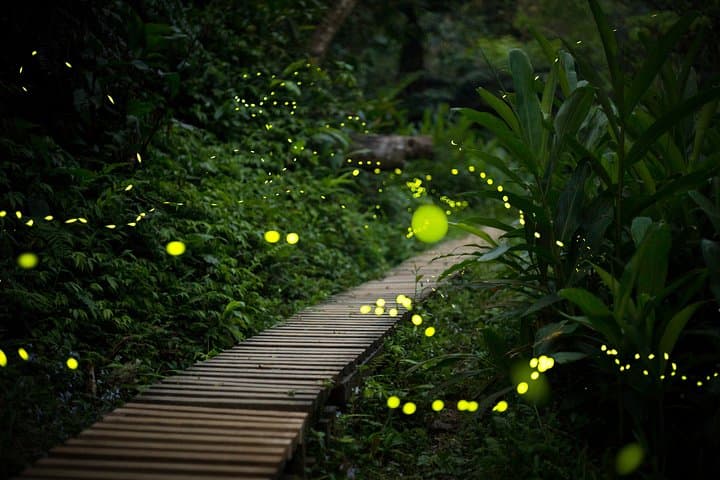
The forest goes quiet as the last color of sunset slips behind low limestone ridges and the undergrowth inhales the warm, humid air. In that hush, Yaeyama-himebotaru — a tiny, island-endemic firefly — begins its slow choreography: single pinpricks, then a spreading pulse that makes the palms and understory look like the sky has fallen into the trees.
The forest goes quiet as the last color of sunset slips behind low limestone ridges and the undergrowth inhales the warm, humid air. In that hush, Yaeyama-himebotaru — a tiny, island-endemic firefly — begins its slow choreography: single pinpricks, then a spreading pulse that makes the palms and understory look like the sky has fallen into the trees.
On Ishigaki Island this short seasonal event ties to the islands’ subtropical geology and Ryukyuan history. The coral-derived limestone and porous soils create the humid, shaded creeks fireflies prefer, while local communities have long balanced small-scale agriculture and mangrove preservation that sustain insect habitat. The tour lands you at a low-elevation forest stand where guides ask for absolute darkness so the insects’ bioluminescence can dominate.
Expect a calm, low-impact outing: a brief walk from the pickup point, standing quietly for the display, and a return drive in under three hours. This is a cultural-natural encounter as much as a wildlife viewing—respectful behavior and silence are part of the experience.
Practical guidance: arrive on time for scheduled pickups, wear closed-toe shoes for uneven ground, choose long sleeves and insect protection appropriate for sensitive species, and leave flash photography and phone lights off. If conditions are wet the tour may proceed; strong winds, heavy rain, or poor firefly emergence can lead to cancellation. For travelers the payoff is immediate: an intimate, ephemeral light show that rewards patience and restraint.