THE ADVENTURE COLLECTIVE® · Independent discovery and booking for outdoor travel

A full-day guided escape from Nagoya to Ise’s revered shrines and sculpted coastline. Experience towering cypress approaches, eat local specialties in Okage Yokocho, and photograph the dramatic Meoto Iwa wedded rocks with practical tips for timing and etiquette.
A full-day guided escape from Nagoya to Ise’s revered shrines and sculpted coastline. Experience towering cypress approaches, eat local specialties in Okage Yokocho, and photograph the dramatic Meoto Iwa wedded rocks with practical tips for timing and etiquette.
You arrive before the crowds, stepping from the coach into a hush of cypress trunks that smell faintly of resin. Sunlight sifts through the trees along the approach to Ise Jingu’s Inner Shrine, where the rhythm of footfalls and the scrape of wooden sandals set a deliberate pace. The guide leads you through rituals of purification and explains the shrine’s role in everyday life — not as relic, but as living practice.
Verified experiences and guided adventures in the surrounding area.
Operated by Snow Monkey Resorts Tours (Machinovate Japan Ltd.) · Ise, Mie
You arrive before the crowds, stepping from the coach into a hush of cypress trunks that smell faintly of resin. Sunlight sifts through the trees along the approach to Ise Jingu’s Inner Shrine, where the rhythm of footfalls and the scrape of wooden sandals set a deliberate pace. The guide leads you through rituals of purification and explains the shrine’s role in everyday life — not as relic, but as living practice.
Ise sits on a rugged, indented coastline where ancient hinoki (cypress) forests meet tidal rock shelves. The shrine’s architecture is rebuilt every 20 years in a practice called sengu, a tradition that preserves craft, timber management, and ritual continuity. Okage Yokocho, a restored Edo-period street, offers Edo-style storefronts and regional dishes like Ise udon and fried oysters, while nearby Meoto Iwa — the “wedded rocks” — marks the seam between land and sea and sometimes frames Mt. Fuji on clear days.
Practicalities: this is a full-day outing (about nine hours including travel), with easy walking on packed earth, stone steps, and a short coastal promenade. Wear comfortable, non-slip shoes and layers for coastal wind. Carry small bills for street snacks and shrine offerings; many stalls are cash-preferred. Follow the guide’s directions about photography and shrine etiquette — some inner areas restrict images.
Timing matters: mornings bring quieter shrine visits; late afternoon softens light for photos at Meoto Iwa. Hydrate between stops, and treat the woodlands and shoreline with respect — leave no trace and support local businesses when you can.
easy.
9 hours.
Suitable for most fitness levels; involves several short walks, stone steps, and up to 2–3 miles of walking spread over the day.
The tour is approximately nine hours round-trip from Nagoya and includes transportation, a multilingual guide, and admission to listed sites.
Lunch is not included so you can choose from Okage Yokocho’s restaurants; your guide can recommend local specialties like Ise udon or fried oysters.
Some areas have uneven stone paths and steps; infants in strollers are accommodated but full accessibility varies — check with the operator for specific needs.
Photography is restricted in certain inner shrine areas; follow posted signs and your guide’s instructions to avoid inadvertent breaches of etiquette.
Ise Jingu is central to Shinto practice and is ritually rebuilt every 20 years (sengu), a living tradition that preserves carpentry skills and sacred timber management.
The shrine’s cyclical rebuilding supports sustainable forestry for hinoki cypress; visitors are encouraged to stay on paths, avoid collecting driftwood, and patronize local businesses to support conservation.
Snow Monkey Resorts Tours (Machinovate Japan Ltd.) operates guided outdoor trips and adventures with an emphasis on safety, stewardship, and memorable experiences.


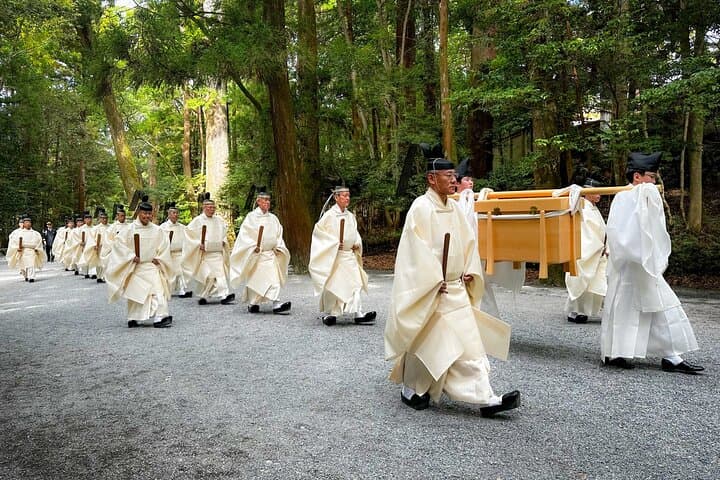
You arrive before the crowds, stepping from the coach into a hush of cypress trunks that smell faintly of resin. Sunlight sifts through the trees along the approach to Ise Jingu’s Inner Shrine, where the rhythm of footfalls and the scrape of wooden sandals set a deliberate pace. The guide leads you through rituals of purification and explains the shrine’s role in everyday life — not as relic, but as living practice.
You arrive before the crowds, stepping from the coach into a hush of cypress trunks that smell faintly of resin. Sunlight sifts through the trees along the approach to Ise Jingu’s Inner Shrine, where the rhythm of footfalls and the scrape of wooden sandals set a deliberate pace. The guide leads you through rituals of purification and explains the shrine’s role in everyday life — not as relic, but as living practice.
Ise sits on a rugged, indented coastline where ancient hinoki (cypress) forests meet tidal rock shelves. The shrine’s architecture is rebuilt every 20 years in a practice called sengu, a tradition that preserves craft, timber management, and ritual continuity. Okage Yokocho, a restored Edo-period street, offers Edo-style storefronts and regional dishes like Ise udon and fried oysters, while nearby Meoto Iwa — the “wedded rocks” — marks the seam between land and sea and sometimes frames Mt. Fuji on clear days.
Practicalities: this is a full-day outing (about nine hours including travel), with easy walking on packed earth, stone steps, and a short coastal promenade. Wear comfortable, non-slip shoes and layers for coastal wind. Carry small bills for street snacks and shrine offerings; many stalls are cash-preferred. Follow the guide’s directions about photography and shrine etiquette — some inner areas restrict images.
Timing matters: mornings bring quieter shrine visits; late afternoon softens light for photos at Meoto Iwa. Hydrate between stops, and treat the woodlands and shoreline with respect — leave no trace and support local businesses when you can.