THE ADVENTURE COLLECTIVE® · Independent discovery and booking for outdoor travel

Walk Golubac’s towers, float through the Danube’s tightest canyons and stand where Europe’s earliest riverside settlement once lived. This full-day Iron Gate tour pairs medieval fortifications, prehistoric archaeology and a scenic gorge cruise.
Walk Golubac’s towers, float through the Danube’s tightest canyons and stand where Europe’s earliest riverside settlement once lived. This full-day Iron Gate tour pairs medieval fortifications, prehistoric archaeology and a scenic gorge cruise.
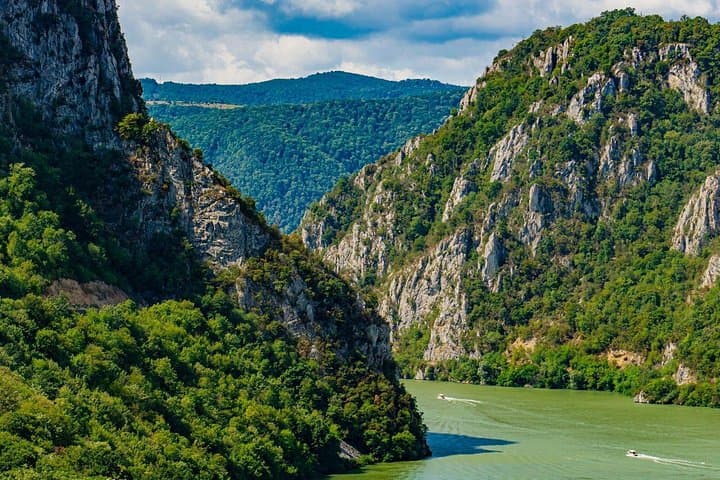
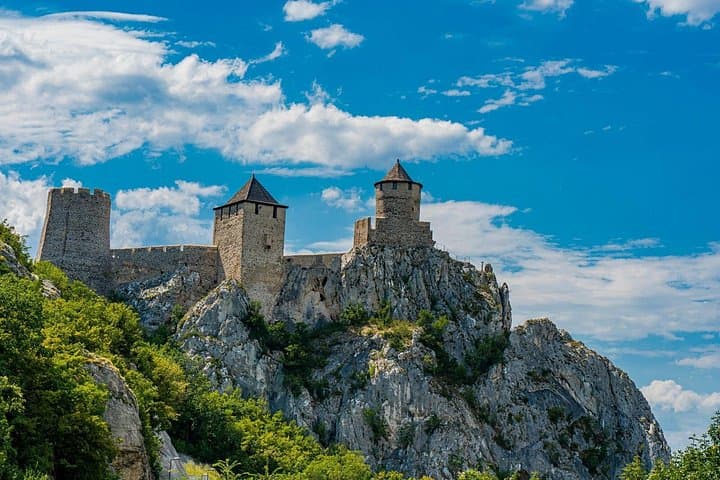
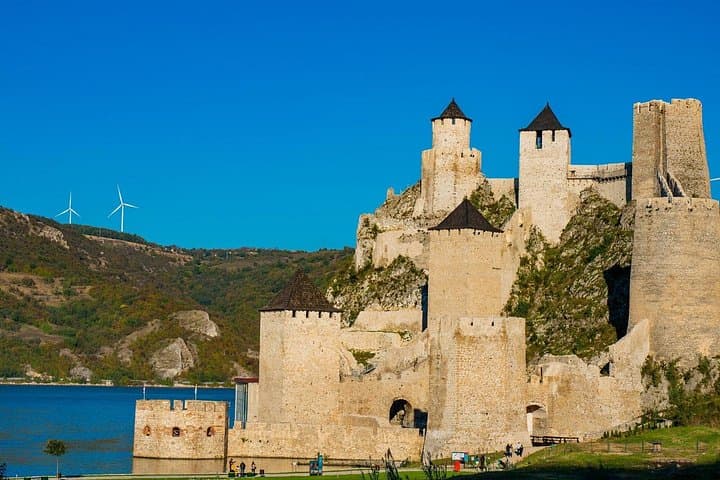
You step off the coach into a corridor of limestone where the Danube narrows and seems to push travelers forward, daring them to follow its curve. Morning light fractures across the stone ramparts of Golubac Fortress; towers rise like time-worn watchmen over a river that has shaped borders, trade and lives for millennia.
Verified experiences and guided adventures in the surrounding area.
Operated by Tours From Belgrade · Golubac, Bor District
You step off the coach into a corridor of limestone where the Danube narrows and seems to push travelers forward, daring them to follow its curve. Morning light fractures across the stone ramparts of Golubac Fortress; towers rise like time-worn watchmen over a river that has shaped borders, trade and lives for millennia.
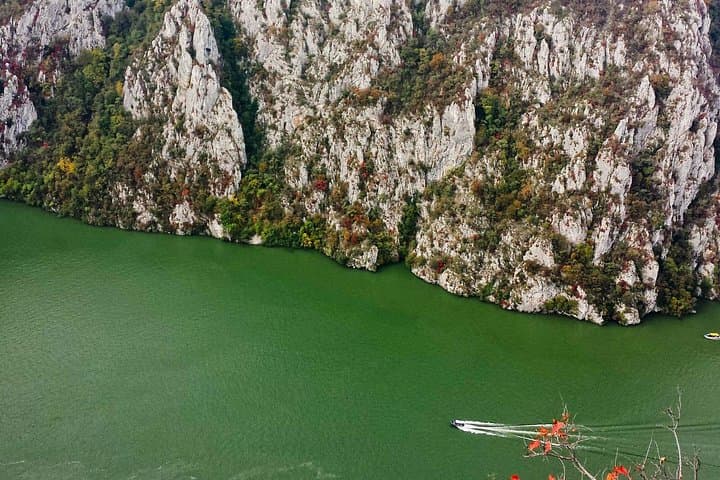
The Iron Gate — Đerdap — is both geology and human story. The gorge cuts through the Carpathian-Balkan rim with steep cliffs, karst caves and the Danube’s narrowest channel where the river’s current asserts itself. Golubac’s 14th-century walls and ten towers reveal military adaptations from medieval masonry to firearm-era reinforcements. Downriver, Lepenski Vir preserves one of Europe’s earliest riverside settlements (c. 6500–4500 BC), its trapezoid houses and fish-centric culture pointing to a community defined by the river.
On the water, the gorge reads as moving geography: Kazan’s tight narrows, the Decibel rock sculpture, and Tabula Traiana’s Roman inscription punctuate a 90-minute cruise that offers the best vantage for scale and geology.
Practical guidance: expect a long day with about six hours of site time and several hours of transfer from Belgrade. Wear grippy walking shoes for uneven fortress steps, pack sun protection and a light waterproof layer for wind off the river. Bring water and snacks if you prefer, though there’s time for lunch in Donji Milanovac. Photography is rewarding at sunrise or late afternoon when light sculpts the cliff faces; allow extra time on the boat for the best vantage points.
moderate.
10–12 hours.
Moderate fitness recommended — participants should be comfortable with walking on uneven surfaces and several short stair climbs.
The scenic boat cruise is approximately 90 minutes and covers the most dramatic section of the Djerdap (Iron Gate) gorge.
Yes — entrance fees for Golubac Fortress and Lepenski Vir are included in the tour price as noted in the itinerary.
Most departures are from Belgrade with return to the same pickup area; local pickup points may be arranged—confirm when booking.
Infants must sit on an adult’s lap; travelers should have moderate fitness. Facilities vary at outdoor sites, so plan accordingly.
Golubac Fortress guarded a strategic Danube crossing from the 14th century onward, while Lepenski Vir preserves one of Europe’s earliest sedentary river cultures dating to 6500–4500 BC.
Đerdap National Park balances tourist access with habitat protection; visitors should stick to marked paths, avoid disturbing archaeological sites and minimize plastic waste.
Tours From Belgrade operates guided outdoor trips and adventures with an emphasis on safety, stewardship, and memorable experiences.
You step off the coach into a corridor of limestone where the Danube narrows and seems to push travelers forward, daring them to follow its curve. Morning light fractures across the stone ramparts of Golubac Fortress; towers rise like time-worn watchmen over a river that has shaped borders, trade and lives for millennia.
You step off the coach into a corridor of limestone where the Danube narrows and seems to push travelers forward, daring them to follow its curve. Morning light fractures across the stone ramparts of Golubac Fortress; towers rise like time-worn watchmen over a river that has shaped borders, trade and lives for millennia.
The Iron Gate — Đerdap — is both geology and human story. The gorge cuts through the Carpathian-Balkan rim with steep cliffs, karst caves and the Danube’s narrowest channel where the river’s current asserts itself. Golubac’s 14th-century walls and ten towers reveal military adaptations from medieval masonry to firearm-era reinforcements. Downriver, Lepenski Vir preserves one of Europe’s earliest riverside settlements (c. 6500–4500 BC), its trapezoid houses and fish-centric culture pointing to a community defined by the river.
On the water, the gorge reads as moving geography: Kazan’s tight narrows, the Decibel rock sculpture, and Tabula Traiana’s Roman inscription punctuate a 90-minute cruise that offers the best vantage for scale and geology.
Practical guidance: expect a long day with about six hours of site time and several hours of transfer from Belgrade. Wear grippy walking shoes for uneven fortress steps, pack sun protection and a light waterproof layer for wind off the river. Bring water and snacks if you prefer, though there’s time for lunch in Donji Milanovac. Photography is rewarding at sunrise or late afternoon when light sculpts the cliff faces; allow extra time on the boat for the best vantage points.