THE ADVENTURE COLLECTIVE® · Independent discovery and booking for outdoor travel

Experience one of the world’s few public thoroughbred studs with skip-the-line entry: guided tours of stallions and foals, an interactive Racehorse Experience, plus two formal gardens. Expect close animal encounters and peaceful garden walks — plan 1–3 hours.
Experience one of the world’s few public thoroughbred studs with skip-the-line entry: guided tours of stallions and foals, an interactive Racehorse Experience, plus two formal gardens. Expect close animal encounters and peaceful garden walks — plan 1–3 hours.
You step through the gate and the air changes: the low nickers of mares carry across rolling green, and clipped gravel gives way to broad lawns and clipped yew. The Irish National Stud sits on 850 acres of gentle hill, where thoroughbreds and cultivated gardens share the view — a place where hoofbeats and pruning shears mark the rhythm of the day.
Verified experiences and guided adventures in the surrounding area.
Operated by Irish National Stud & Gardens · Kildare, County Kildare
You step through the gate and the air changes: the low nickers of mares carry across rolling green, and clipped gravel gives way to broad lawns and clipped yew. The Irish National Stud sits on 850 acres of gentle hill, where thoroughbreds and cultivated gardens share the view — a place where hoofbeats and pruning shears mark the rhythm of the day.
Founded in the early 1900s to breed racehorses for Europe, the Stud has become both a working farm and a public landscape. Geologically the land is low-lying river plain, its soils generous for pasture and plantings; culturally it’s linked to Ireland’s equine industry and local agricultural traditions. The Japanese Gardens and St Fiachra’s Garden showcase horticultural design and devotional landscaping that contrast with the pragmatic geometry of paddocks and stalls.
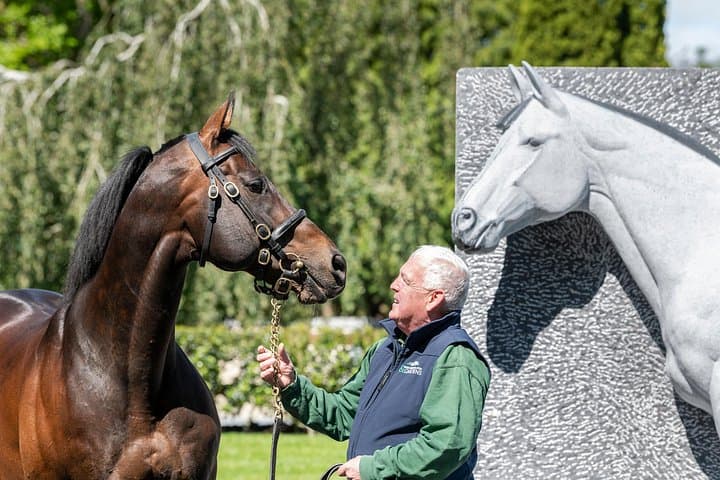
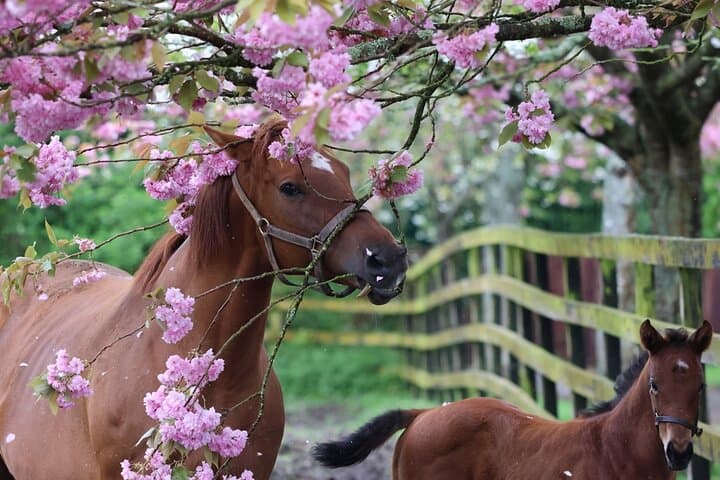
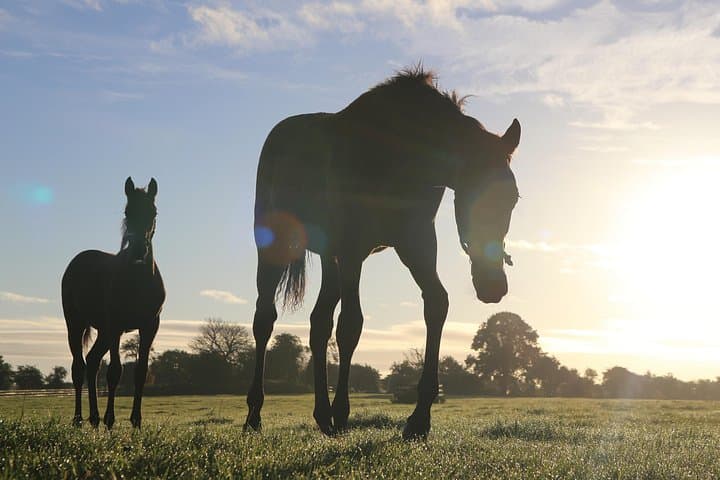
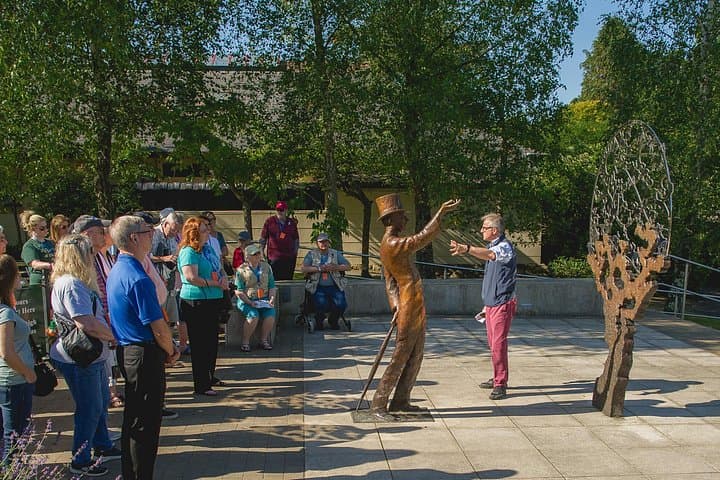
On a guided tour expect close-but-safe viewing of stallions, mares and foals, plus retired champions from the Living Legends team. The interactive Irish Racehorse Experience contextualizes breeding, training and racing with tactile displays and audio-visual history. Birds drift through the hedgerows and the gardens often steal time for photographers; the land itself feels quietly insistent, inviting slow exploration.
Plan 1–3 hours: arrive early for better light and calmer horses, allow time for the exhibition and tea room. Wear waterproof layers — Irish weather can turn quickly — and respect handlers’ instructions around animals. For visitors wanting both equine lore and horticulture, this skip-the-line entry condenses the best of both worlds into a practical, memorable visit.
easy.
1–3 hours.
Suitable for most fitness levels; involves moderate walking on mostly flat paths
Yes — visitor areas, surfaces and transportation options are wheelchair accessible; contact the site in advance for specific needs.
Most visitors spend 1–3 hours to cover the guided tour, interactive exhibit and both gardens; allow extra time for the tearoom.
Yes — the Living Legends team includes retired stars on display when they are stabled at the Stud; schedules vary so sightings aren’t guaranteed.
Only service animals are permitted on-site; pets are not allowed in public visitor areas.
Established in the early 20th century, the Irish National Stud played a central role in breeding many of Europe’s top racehorses and later developed public gardens and an interactive visitor center.
The Stud manages pasture and ornamental gardens with an eye to biodiversity and traditional land use; visitors are asked to stay on paths to protect sensitive plantings and paddocks.
Irish National Stud & Gardens operates guided outdoor trips and adventures with an emphasis on safety, stewardship, and memorable experiences.
You step through the gate and the air changes: the low nickers of mares carry across rolling green, and clipped gravel gives way to broad lawns and clipped yew. The Irish National Stud sits on 850 acres of gentle hill, where thoroughbreds and cultivated gardens share the view — a place where hoofbeats and pruning shears mark the rhythm of the day.
You step through the gate and the air changes: the low nickers of mares carry across rolling green, and clipped gravel gives way to broad lawns and clipped yew. The Irish National Stud sits on 850 acres of gentle hill, where thoroughbreds and cultivated gardens share the view — a place where hoofbeats and pruning shears mark the rhythm of the day.
Founded in the early 1900s to breed racehorses for Europe, the Stud has become both a working farm and a public landscape. Geologically the land is low-lying river plain, its soils generous for pasture and plantings; culturally it’s linked to Ireland’s equine industry and local agricultural traditions. The Japanese Gardens and St Fiachra’s Garden showcase horticultural design and devotional landscaping that contrast with the pragmatic geometry of paddocks and stalls.
On a guided tour expect close-but-safe viewing of stallions, mares and foals, plus retired champions from the Living Legends team. The interactive Irish Racehorse Experience contextualizes breeding, training and racing with tactile displays and audio-visual history. Birds drift through the hedgerows and the gardens often steal time for photographers; the land itself feels quietly insistent, inviting slow exploration.
Plan 1–3 hours: arrive early for better light and calmer horses, allow time for the exhibition and tea room. Wear waterproof layers — Irish weather can turn quickly — and respect handlers’ instructions around animals. For visitors wanting both equine lore and horticulture, this skip-the-line entry condenses the best of both worlds into a practical, memorable visit.