THE ADVENTURE COLLECTIVE® · Independent discovery and booking for outdoor travel

Drive through Costa Rica’s Central Valley to reach Irazú’s dramatic summit craters and a green crater lagoon. This half-day tour combines accessible high-altitude viewpoints with a cultural stop in Cartago for a compact, rewarding outing from San José.
Drive through Costa Rica’s Central Valley to reach Irazú’s dramatic summit craters and a green crater lagoon. This half-day tour combines accessible high-altitude viewpoints with a cultural stop in Cartago for a compact, rewarding outing from San José.
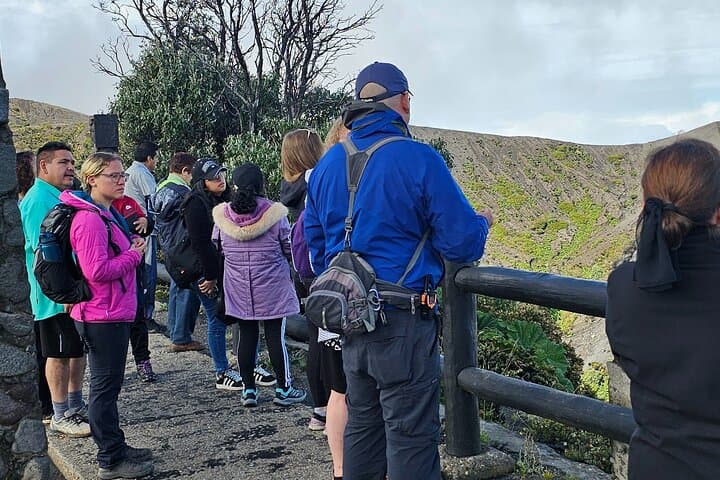
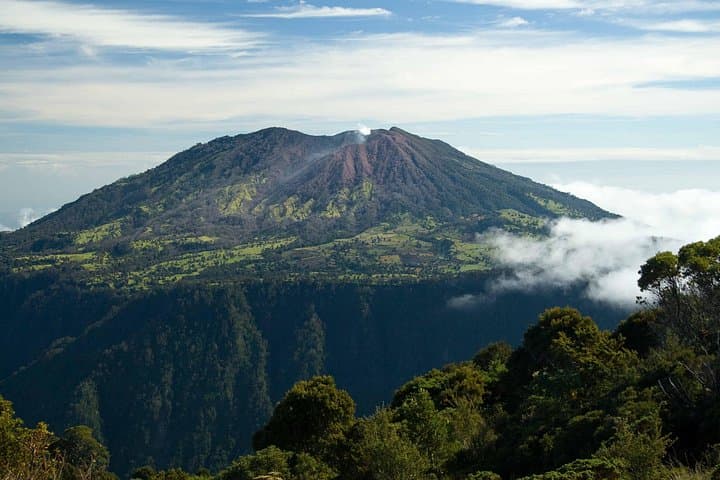
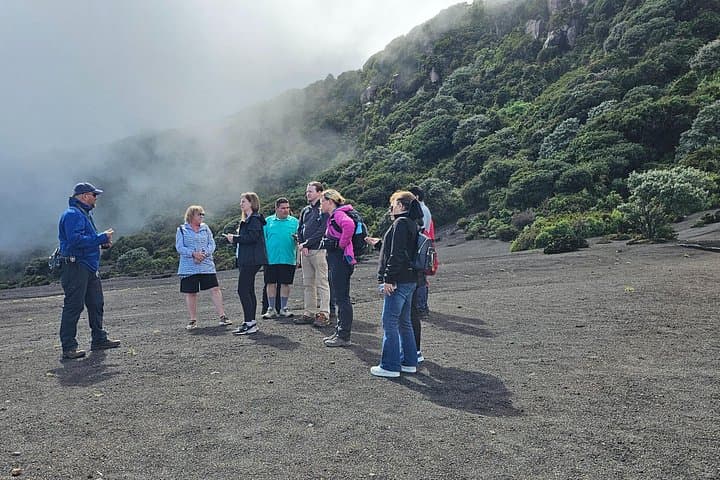
You climb out of San José and the Central Valley falls away beneath low clouds and checkerboard fields of potatoes and onions. The bus climbs into a high, wind-honed landscape where winds seem to push you forward and the trees thin into stunted high-elevation forest. At the summit, the main crater opens like a raw wound in the earth — a jagged rim circling a green-hued lagoon that changes tone with the light and weather.
Verified experiences and guided adventures in the surrounding area.
Operated by Expediciones Tropicales Day Tours · Cartago, Cartago Province
You climb out of San José and the Central Valley falls away beneath low clouds and checkerboard fields of potatoes and onions. The bus climbs into a high, wind-honed landscape where winds seem to push you forward and the trees thin into stunted high-elevation forest. At the summit, the main crater opens like a raw wound in the earth — a jagged rim circling a green-hued lagoon that changes tone with the light and weather.
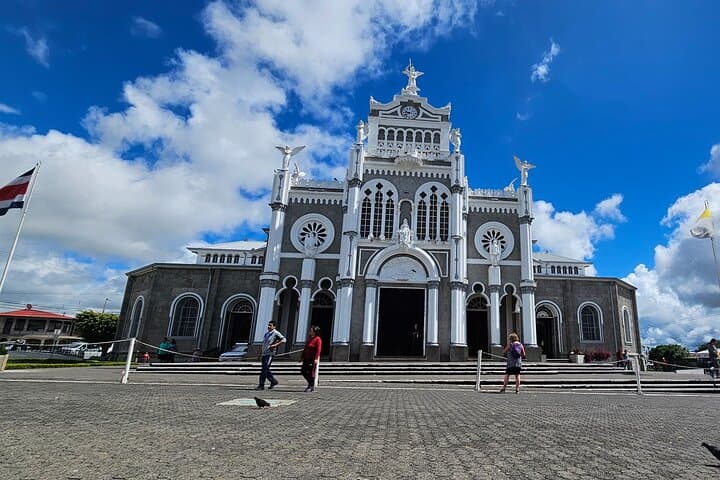
Irazú has been shaping Costa Rica’s central highlands for hundreds of thousands of years. The park’s geology is dominated by basaltic-andesitic eruptions; its most famous historical explosion in 1963–65 coincided with Pope Paul VI’s visit to Costa Rica and transformed local agriculture and settlements. Cartago, the nearby city visited on this route, carries colonial-era remnants and the Basilica of Our Lady of the Angels — a cultural stop that balances the rawness of the volcano.
Practical guidance: the summit sits around 3,432 m (11,260 ft), so temperature swings are sharp and sun exposure is high. Expect short, paved or gravel paths to viewpoints and crater rims — not technical trails, but uneven surfaces and wind. Bring layers, a waterproof shell, sun protection, and water; move slowly the first hour to adjust to altitude. On clear days you might spot both the Pacific and Caribbean on the horizon; on cloudy days the crater will hold an atmospheric, otherworldly silence.
Tours typically include round-trip transport from San José, bilingual guides, and short stops in Cartago. This half-day option is accessible for most travelers but respect signage, stay on designated paths, and plan for sudden weather changes at high elevation.
moderate.
6 hours.
Light to moderate fitness — mainly comfortable bus travel with short walks on uneven footing at high altitude
The excursion lasts about six hours and typically includes round-trip transportation from San José, a bilingual certified guide, park admission, and a stop in Cartago.
On exceptionally clear days you can glimpse both the Pacific and Caribbean from the summit viewpoints, though visibility depends on weather and air clarity.
Walks are short and non-technical but can be on gravel and uneven ground; the main challenge is altitude rather than steep hiking.
Most visitors tolerate the altitude, but symptoms like shortness of breath or headache can occur; hydrate, avoid heavy exertion on arrival, and inform guides of concerns.
Irazú’s eruptions in the 1960s had major agricultural and social impacts on the Central Valley; Cartago, the old colonial capital, bears many colonial-era religious landmarks visited on the route.
The park protects fragile high-elevation ecosystems; stay on marked trails to prevent erosion and follow guide instructions to minimize human impact.
Expediciones Tropicales Day Tours operates guided outdoor trips and adventures with an emphasis on safety, stewardship, and memorable experiences.
You climb out of San José and the Central Valley falls away beneath low clouds and checkerboard fields of potatoes and onions. The bus climbs into a high, wind-honed landscape where winds seem to push you forward and the trees thin into stunted high-elevation forest. At the summit, the main crater opens like a raw wound in the earth — a jagged rim circling a green-hued lagoon that changes tone with the light and weather.
You climb out of San José and the Central Valley falls away beneath low clouds and checkerboard fields of potatoes and onions. The bus climbs into a high, wind-honed landscape where winds seem to push you forward and the trees thin into stunted high-elevation forest. At the summit, the main crater opens like a raw wound in the earth — a jagged rim circling a green-hued lagoon that changes tone with the light and weather.
Irazú has been shaping Costa Rica’s central highlands for hundreds of thousands of years. The park’s geology is dominated by basaltic-andesitic eruptions; its most famous historical explosion in 1963–65 coincided with Pope Paul VI’s visit to Costa Rica and transformed local agriculture and settlements. Cartago, the nearby city visited on this route, carries colonial-era remnants and the Basilica of Our Lady of the Angels — a cultural stop that balances the rawness of the volcano.
Practical guidance: the summit sits around 3,432 m (11,260 ft), so temperature swings are sharp and sun exposure is high. Expect short, paved or gravel paths to viewpoints and crater rims — not technical trails, but uneven surfaces and wind. Bring layers, a waterproof shell, sun protection, and water; move slowly the first hour to adjust to altitude. On clear days you might spot both the Pacific and Caribbean on the horizon; on cloudy days the crater will hold an atmospheric, otherworldly silence.
Tours typically include round-trip transport from San José, bilingual guides, and short stops in Cartago. This half-day option is accessible for most travelers but respect signage, stay on designated paths, and plan for sudden weather changes at high elevation.