
Irazú Volcano and Hacienda Orosi Hot Springs: Full-Day Trip from San José
Stand on the rim of Costa Rica’s highest active volcano, then descend into sun-warmed pools among coffee farms—this full-day from San José pairs dramatic crater views at Irazú with a relaxing soak at Hacienda Orosi. Learn what to bring, what to expect, and why altitude and layers matter.
An Adventure In San José.
Stand on the rim of Costa Rica’s highest active volcano, then descend into sun-warmed pools among coffee farms—this full-day from San José pairs dramatic crater views at Irazú with a relaxing soak at Hacienda Orosi. Learn what to bring, what to expect, and why altitude and layers matter.
Read the full experience
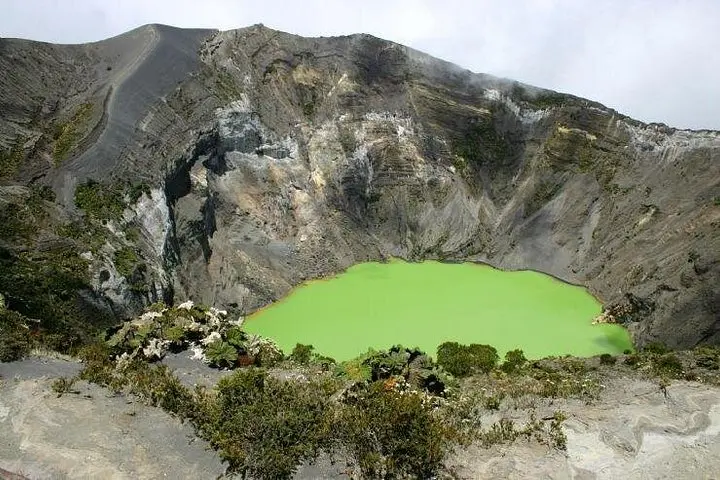
You reach the high plain as if climbing into another country: the bus exhales warm, herbal air and the road tightens into switchbacks. By the time you step onto the rim of Irazú, the wind has a voice—sharp, curious—and the crater answers with a basin of pale, steaming water and jagged black rock. At 3,432 meters (about 11,260 ft), Irazú has a way of making the familiar—the city you left hours behind—feel small and distant.
You reach the high plain as if climbing into another country: the bus exhales warm, herbal air and the road tightens into switchbacks. By the time you step onto the rim of Irazú, the wind has a voice—sharp, curious—and the crater answers with a basin of pale, steaming water and jagged black rock. At 3,432 meters (about 11,260 ft), Irazú has a way of making the familiar—the city you left hours behind—feel small and distant.
Irazú is Costa Rica’s largest active volcano and a geological classroom. Layers of andesitic lava, ash and volcanic breccia record eruptions that reshaped the Central Valley; the most notorious event in recent memory sent ash into San José in the 1960s. From the official viewpoints you watch the crater breathe: mineral-rich pools shift color with the light, fumaroles hiss and, on clear days, the vista opens to both the Caribbean slope and the Pacific lowlands. The surrounding landscape moves from alpine scrub to reforested slopes; pockets of Polylepis and introduced pines hold soil against wind.
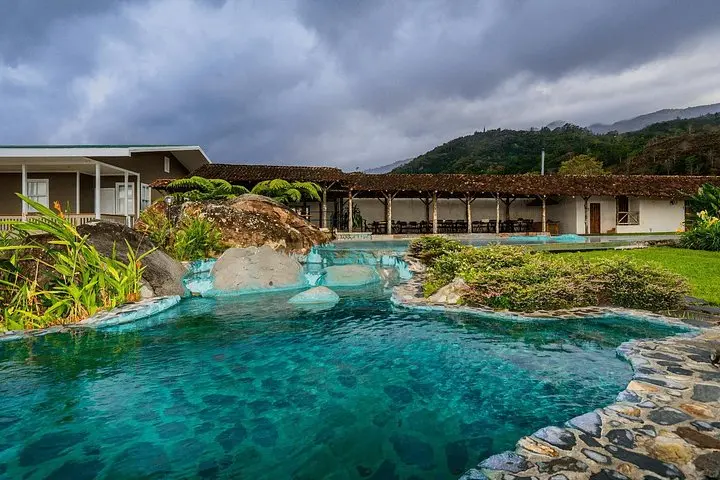
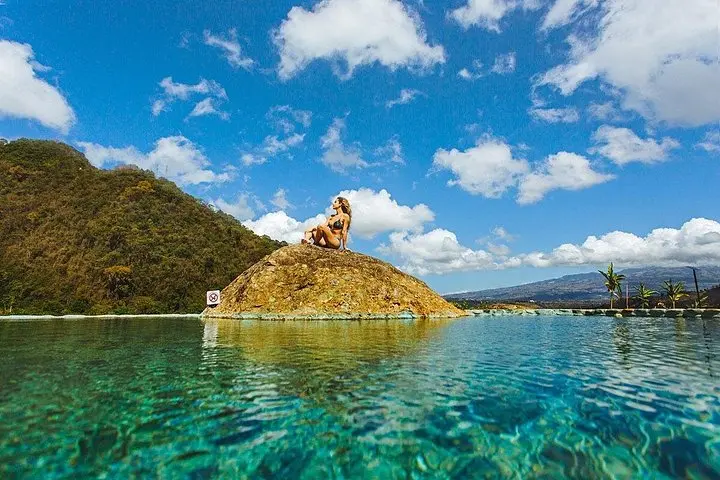
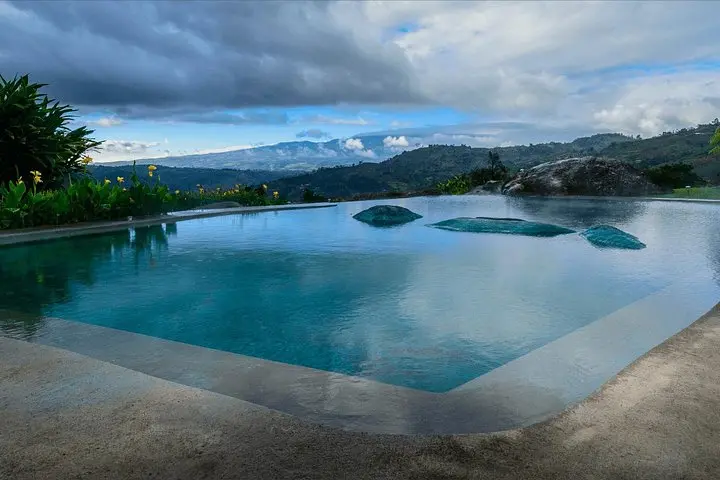
Descending into the Orosi Valley feels like stepping into a different script—gentler slopes, coffee farms, and a colonial-era church that maps the region’s Spanish-era history. The valley was a center of early Costa Rican settlement and irrigation; haciendas here still manage hot springs fed by the geothermal plumbing that powers Irazú. At Hacienda Orosi, pools are built into volcanic rock, and steam curls around palm fronds while locals serve a midday meal of rice, beans, fresh salad and grilled fish or chicken.
The day balances high-altitude geology with warm-water recovery. Expect roughly a 1.5-hour drive from San José, a short interpretive walk along crater viewpoints (easy terrain but exposed to wind), and about two hours of soaking and lunch at the hacienda. The fee covers transport, guide, park entries and lunch; confirm hotel pickup 24 hours ahead.
Practical edge: layers are mandatory—temperatures at the summit can drop below freezing and shift rapidly; the change to the valley is sudden, so pack a light towel and sandals for the springs, closed shoes for crater viewpoints and water. Altitude can hit hard—take it slow at the summit, hydrate beforehand and avoid strenuous exertion if you have cardiovascular or spinal conditions. Bring cash for tips and small purchases; while the tour handles entrance and lunch, local artisans often sell coffee and handcrafts.
This is a one-day contrast: raw volcanic power up top, soothing geothermal warmth below, and a guided route that threads natural history, local culture and practical comfort into a single, manageable Costa Rican day trip.
Frequently asked questions
Expect about 1 to 1.5 hours each way depending on traffic and weather—roads climb quickly and the switchbacks slow the convoy.
The operator notes it’s not recommended for pregnant travelers; families with small children should check individual health needs and the provider’s age policies.
Yes—this tour includes park entrance to Irazú, Hacienda Orosi entry, and a lunch as stated in the itinerary.
Crater conditions change—on many visits you’ll see a steaming, colored crater lake and fumaroles, but fog and wind can obscure views at times.
Walking is short and interpretive—typically under 1–2 kilometers on uneven, exposed ground; no technical hiking required.
Hydrate before arrival, move slowly at the summit, avoid alcohol beforehand and notify the guide if you feel severe symptoms—descend to lower elevation if needed.
About This Experience
Destination Services Costa Rica operates guided outdoor trips and adventures with an emphasis on safety, stewardship, and memorable experiences.
Adventure tips
Recommended gear
- Windproof jacket: Blocks cold summit winds and fits over layers at high elevation.
- Sturdy hiking shoes: Protects ankles and provides traction on rocky crater trails.
- Reusable water bottle: Staying hydrated reduces altitude symptoms and is eco-friendly.
- Quick-dry towel and sandals: Useful for the hacienda hot springs and switching out of hiking shoes.
Photos of the experience
Related adventures & guides
Read the full experience
You reach the high plain as if climbing into another country: the bus exhales warm, herbal air and the road tightens into switchbacks. By the time you step onto the rim of Irazú, the wind has a voice—sharp, curious—and the crater answers with a basin of pale, steaming water and jagged black rock. At 3,432 meters (about 11,260 ft), Irazú has a way of making the familiar—the city you left hours behind—feel small and distant.
You reach the high plain as if climbing into another country: the bus exhales warm, herbal air and the road tightens into switchbacks. By the time you step onto the rim of Irazú, the wind has a voice—sharp, curious—and the crater answers with a basin of pale, steaming water and jagged black rock. At 3,432 meters (about 11,260 ft), Irazú has a way of making the familiar—the city you left hours behind—feel small and distant.
Irazú is Costa Rica’s largest active volcano and a geological classroom. Layers of andesitic lava, ash and volcanic breccia record eruptions that reshaped the Central Valley; the most notorious event in recent memory sent ash into San José in the 1960s. From the official viewpoints you watch the crater breathe: mineral-rich pools shift color with the light, fumaroles hiss and, on clear days, the vista opens to both the Caribbean slope and the Pacific lowlands. The surrounding landscape moves from alpine scrub to reforested slopes; pockets of Polylepis and introduced pines hold soil against wind.
Descending into the Orosi Valley feels like stepping into a different script—gentler slopes, coffee farms, and a colonial-era church that maps the region’s Spanish-era history. The valley was a center of early Costa Rican settlement and irrigation; haciendas here still manage hot springs fed by the geothermal plumbing that powers Irazú. At Hacienda Orosi, pools are built into volcanic rock, and steam curls around palm fronds while locals serve a midday meal of rice, beans, fresh salad and grilled fish or chicken.
The day balances high-altitude geology with warm-water recovery. Expect roughly a 1.5-hour drive from San José, a short interpretive walk along crater viewpoints (easy terrain but exposed to wind), and about two hours of soaking and lunch at the hacienda. The fee covers transport, guide, park entries and lunch; confirm hotel pickup 24 hours ahead.
Practical edge: layers are mandatory—temperatures at the summit can drop below freezing and shift rapidly; the change to the valley is sudden, so pack a light towel and sandals for the springs, closed shoes for crater viewpoints and water. Altitude can hit hard—take it slow at the summit, hydrate beforehand and avoid strenuous exertion if you have cardiovascular or spinal conditions. Bring cash for tips and small purchases; while the tour handles entrance and lunch, local artisans often sell coffee and handcrafts.
This is a one-day contrast: raw volcanic power up top, soothing geothermal warmth below, and a guided route that threads natural history, local culture and practical comfort into a single, manageable Costa Rican day trip.
Make a day of it nearby.
Verified experiences and guided adventures in the surrounding area.