THE ADVENTURE COLLECTIVE® · Independent discovery and booking for outdoor travel

Taste your way through downtown Iquitos on a guided walking tour that pairs street snacks with historical context and Amazonian ingredients. Expect five curated stops from ice cream made with aguaje to fish in tucupi, all over a flat 3.3‑mile route.
Taste your way through downtown Iquitos on a guided walking tour that pairs street snacks with historical context and Amazonian ingredients. Expect five curated stops from ice cream made with aguaje to fish in tucupi, all over a flat 3.3‑mile route.
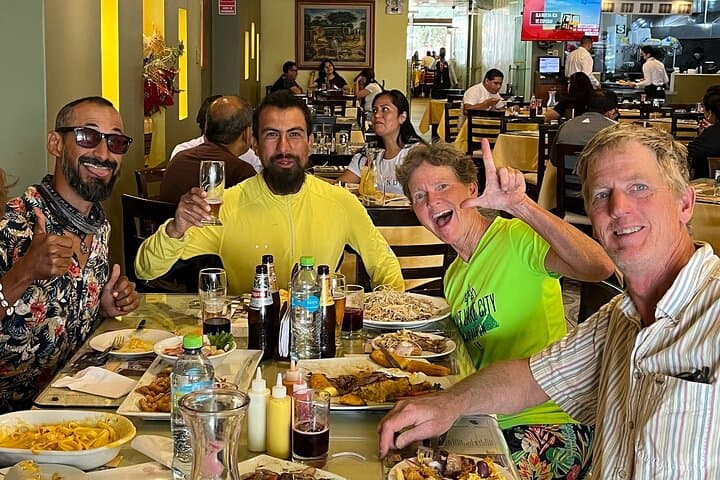
Sunlight thins as the Amazon evening settles over downtown Iquitos, and the city exhales a humid, spice-scented breeze. You walk with a local guide who reads the streets like a map of tastes: cart vendors frying manioc, the clink of ice cream scoops at Bensho, and a 20th-century hotel that still holds the memory of rubber‑boom banquets.
Verified experiences and guided adventures in the surrounding area.
Operated by Shårac · Iquitos, Loreto
Sunlight thins as the Amazon evening settles over downtown Iquitos, and the city exhales a humid, spice-scented breeze. You walk with a local guide who reads the streets like a map of tastes: cart vendors frying manioc, the clink of ice cream scoops at Bensho, and a 20th-century hotel that still holds the memory of rubber‑boom banquets.
The walk threads history into every bite. Iquitos grew explosive wealth during the rubber trade; old mansions and ironwork hotels recall those years. Geologically, the city sits on alluvial plains shaped by the Amazon’s seasonal moods—streets stay flat but can feel water‑close, the river daring you with its presence just beyond the blocks. Culturally, chefs fuse Andean corn and Amazonian fruits like aguaje and tucupi with smoked cecina and river fish, creating dishes that tell local stories.
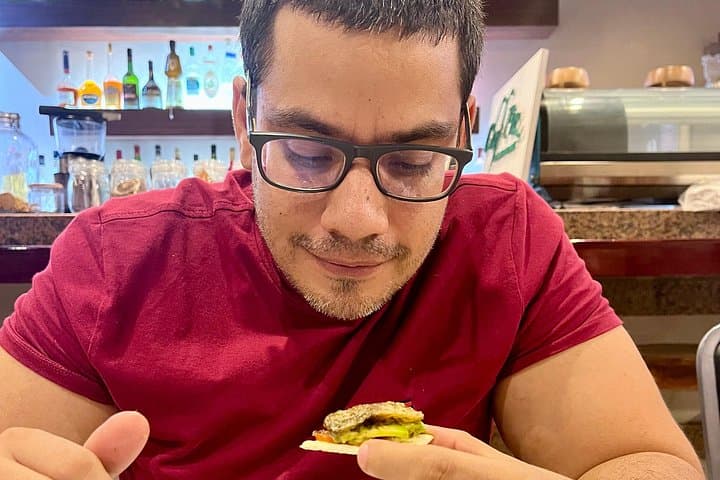
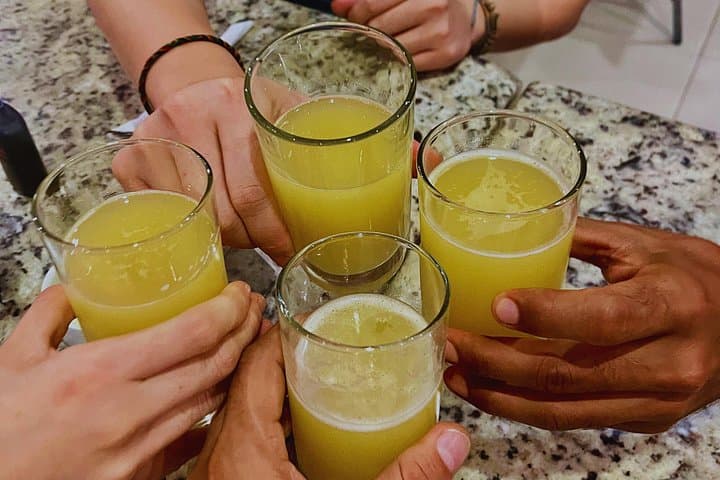
Expect five tasting stops over roughly 3.3 miles of flat walking from sunset into dusk: traditional snacks, aguaje ice cream, patarashca in tucupi, manioc stew with cecina, and an herbal Amazonian digestif. The guide adds context—why bijao leaves matter, where flavorings come from, and which stalls have fed generations.
Practical edge: wear comfortable sneakers, carry a refillable water bottle, and bring a light rain jacket in the wet season. The tour is low‑impact physically but high on sensory input—bring an appetite and basic cash for extras. This is a walking immersion into the city’s foodways: historical, tactile, and unmistakably Amazonian.
easy.
3–4 hours.
Suitable for most fitness levels; expect steady walking for up to 3.3 miles on flat terrain.
The route covers about 3.3 miles (5.3 km) of mostly flat downtown streets, broken into several short stops.
Yes—tastings and beverages listed in the itinerary are included, including one digestif for guests 18+.
Vegetarian options can be accommodated—note dietary needs when booking so the guide can adjust stops.
The tour operates in most weather; bring a rain jacket—only cancellations 24+ hours ahead are fully refundable.
Iquitos expanded rapidly during the late 19th and early 20th century rubber boom; several downtown hotels and houses date to that era and reflect European influence.
Tourism helps local economies but contributes pressure on Amazon resources—choose vendors using sustainable ingredients and minimize single‑use plastics.
Shårac operates guided outdoor trips and adventures with an emphasis on safety, stewardship, and memorable experiences.

Sunlight thins as the Amazon evening settles over downtown Iquitos, and the city exhales a humid, spice-scented breeze. You walk with a local guide who reads the streets like a map of tastes: cart vendors frying manioc, the clink of ice cream scoops at Bensho, and a 20th-century hotel that still holds the memory of rubber‑boom banquets.
Sunlight thins as the Amazon evening settles over downtown Iquitos, and the city exhales a humid, spice-scented breeze. You walk with a local guide who reads the streets like a map of tastes: cart vendors frying manioc, the clink of ice cream scoops at Bensho, and a 20th-century hotel that still holds the memory of rubber‑boom banquets.
The walk threads history into every bite. Iquitos grew explosive wealth during the rubber trade; old mansions and ironwork hotels recall those years. Geologically, the city sits on alluvial plains shaped by the Amazon’s seasonal moods—streets stay flat but can feel water‑close, the river daring you with its presence just beyond the blocks. Culturally, chefs fuse Andean corn and Amazonian fruits like aguaje and tucupi with smoked cecina and river fish, creating dishes that tell local stories.
Expect five tasting stops over roughly 3.3 miles of flat walking from sunset into dusk: traditional snacks, aguaje ice cream, patarashca in tucupi, manioc stew with cecina, and an herbal Amazonian digestif. The guide adds context—why bijao leaves matter, where flavorings come from, and which stalls have fed generations.
Practical edge: wear comfortable sneakers, carry a refillable water bottle, and bring a light rain jacket in the wet season. The tour is low‑impact physically but high on sensory input—bring an appetite and basic cash for extras. This is a walking immersion into the city’s foodways: historical, tactile, and unmistakably Amazonian.