THE ADVENTURE COLLECTIVE® · Independent discovery and booking for outdoor travel

Spend a day from Iquitos observing giant arapaima and caimans, hiking to a 300‑year‑old Lupuna tree, and touring a wildlife rescue center focused on rehabilitation and release. This active, guided trip blends river encounters with forest trails and conservation insight.
Spend a day from Iquitos observing giant arapaima and caimans, hiking to a 300‑year‑old Lupuna tree, and touring a wildlife rescue center focused on rehabilitation and release. This active, guided trip blends river encounters with forest trails and conservation insight.
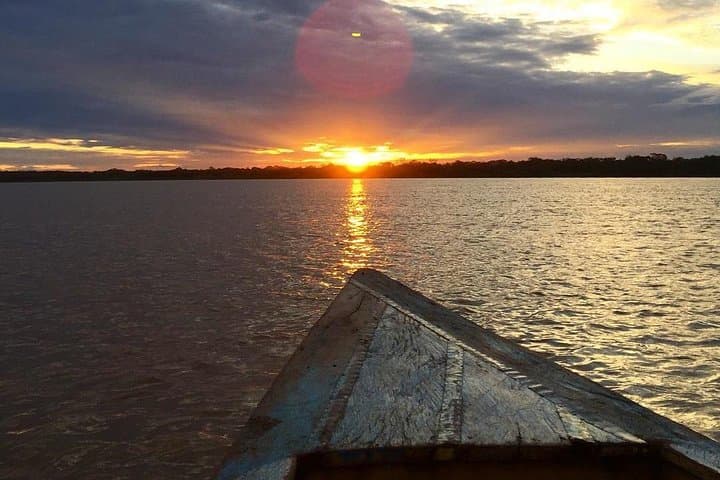
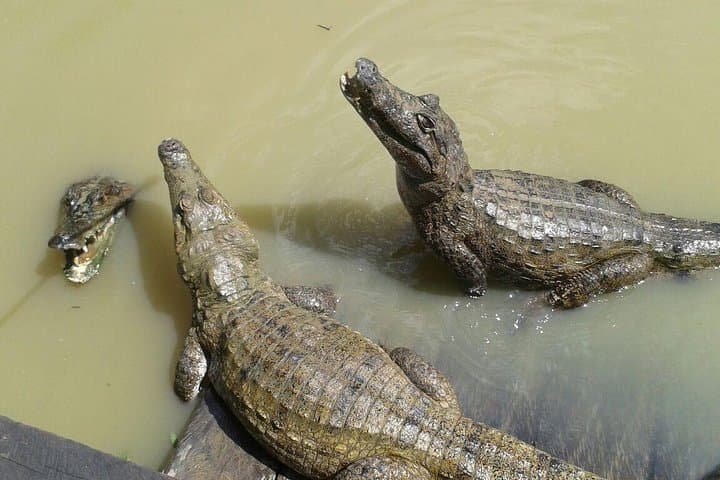
The boat slips away from Iquitos at first light and the river opens like a moving highway of dark water and green. Morning humidity presses against your jacket; a guide scans the shoreline and points where the water bulges—an arapaima breaking surface, a caiman's eyes tracking you. Later, the trail climbs from the riverbank into shade, where a 300‑year‑old Lupuna rises above the canopy and the air smells of wet leaves and earth.
Verified experiences and guided adventures in the surrounding area.
Operated by Kelwin Peña Andrade · Iquitos, Loreto
The boat slips away from Iquitos at first light and the river opens like a moving highway of dark water and green. Morning humidity presses against your jacket; a guide scans the shoreline and points where the water bulges—an arapaima breaking surface, a caiman's eyes tracking you. Later, the trail climbs from the riverbank into shade, where a 300‑year‑old Lupuna rises above the canopy and the air smells of wet leaves and earth.
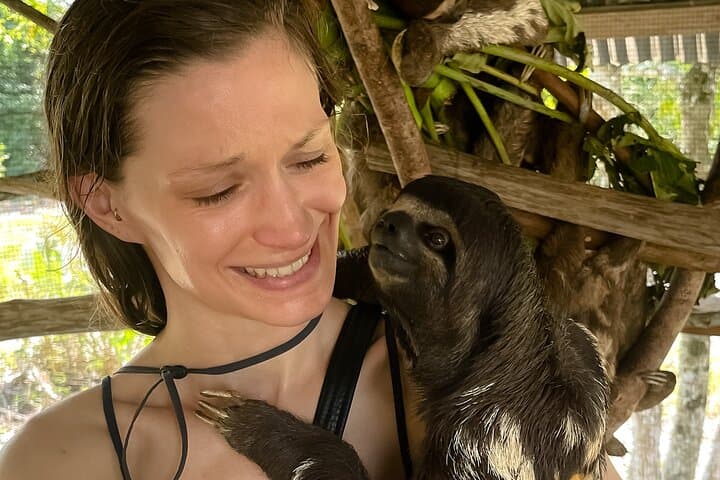
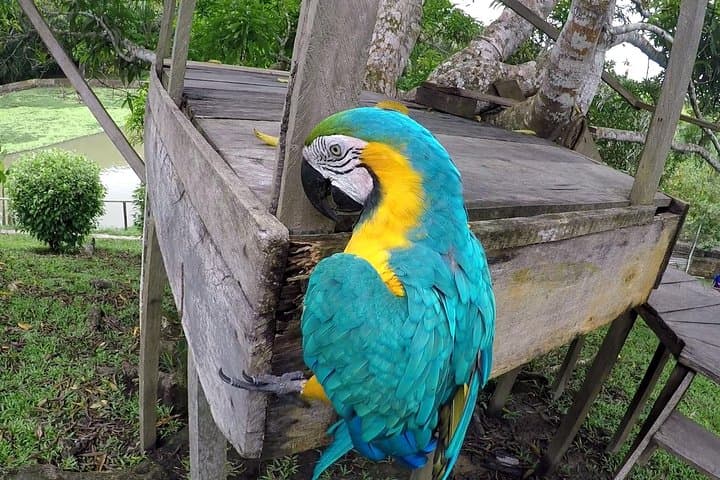
This full‑day outing threads three distinct Amazon experiences: a focused aquatic encounter (arapaima, piranhas, caimans), a guided jungle hike to viewpoints and ancient trees, and a visit to a local wildlife rescue center that treats and releases threatened animals. The region around Iquitos sits in the Amazon Basin, its flat alluvial soils cut by oxbow lakes and meandering channels left from millennia of river movement. Indigenous Kukama communities and the later rubber‑boom era shaped local culture; many rescue efforts now partner with communities to reduce human–wildlife conflict.
Expect muddy trails, insect chorus, and river spray. Practical notes: wear quick‑dry layers and closed shoes with grip, carry a water bottle and insect repellent, and bring a camera with a zoom. Follow your guide—never attempt to handle wildlife, and avoid standing too close to the water’s edge. The pace is steady but accessible for those with moderate fitness; the payoff is direct encounters with species and landscapes that define the Amazon experience.
moderate.
6–8 hours.
Moderate fitness: able to walk uneven, sometimes muddy trails and tolerate humidity for several hours
Children can join but must remain supervised; infants should sit on laps in boats and the operator notes age requirements at booking.
Wildlife sightings are common but not guaranteed—experienced guides know local hotspots to maximize chances while prioritizing animal welfare.
The price includes guide services, fees, and taxes; check your booking for whether boat transfers or hotel pickup are provided or require separate arrangement.
Quick‑dry clothing, closed toe shoes, sun protection, and a light rain layer; avoid bright perfumes and loose jewelry that attract insects.
The Iquitos region is home to Kukama and other Amazonian peoples; river transport and the 19th‑century rubber boom shaped settlements and access routes used by today’s guides.
Rescue centers in the area focus on rehabilitating animals impacted by illegal trade and habitat loss; travelers can support by following no‑contact rules and choosing operators that work with local conservation programs.
Kelwin Peña Andrade operates guided outdoor trips and adventures with an emphasis on safety, stewardship, and memorable experiences.
The boat slips away from Iquitos at first light and the river opens like a moving highway of dark water and green. Morning humidity presses against your jacket; a guide scans the shoreline and points where the water bulges—an arapaima breaking surface, a caiman's eyes tracking you. Later, the trail climbs from the riverbank into shade, where a 300‑year‑old Lupuna rises above the canopy and the air smells of wet leaves and earth.
The boat slips away from Iquitos at first light and the river opens like a moving highway of dark water and green. Morning humidity presses against your jacket; a guide scans the shoreline and points where the water bulges—an arapaima breaking surface, a caiman's eyes tracking you. Later, the trail climbs from the riverbank into shade, where a 300‑year‑old Lupuna rises above the canopy and the air smells of wet leaves and earth.
This full‑day outing threads three distinct Amazon experiences: a focused aquatic encounter (arapaima, piranhas, caimans), a guided jungle hike to viewpoints and ancient trees, and a visit to a local wildlife rescue center that treats and releases threatened animals. The region around Iquitos sits in the Amazon Basin, its flat alluvial soils cut by oxbow lakes and meandering channels left from millennia of river movement. Indigenous Kukama communities and the later rubber‑boom era shaped local culture; many rescue efforts now partner with communities to reduce human–wildlife conflict.
Expect muddy trails, insect chorus, and river spray. Practical notes: wear quick‑dry layers and closed shoes with grip, carry a water bottle and insect repellent, and bring a camera with a zoom. Follow your guide—never attempt to handle wildlife, and avoid standing too close to the water’s edge. The pace is steady but accessible for those with moderate fitness; the payoff is direct encounters with species and landscapes that define the Amazon experience.