THE ADVENTURE COLLECTIVE® · Independent discovery and booking for outdoor travel

Try a compact, instructor-led session that pairs Ayurvedic oil work with ippon-blade walking lessons in Hida Takayama. Learn gentle balance techniques, enjoy a restorative oil massage, and—weather permitting—take a short outdoor step into the town's quiet streets.
Try a compact, instructor-led session that pairs Ayurvedic oil work with ippon-blade walking lessons in Hida Takayama. Learn gentle balance techniques, enjoy a restorative oil massage, and—weather permitting—take a short outdoor step into the town's quiet streets.
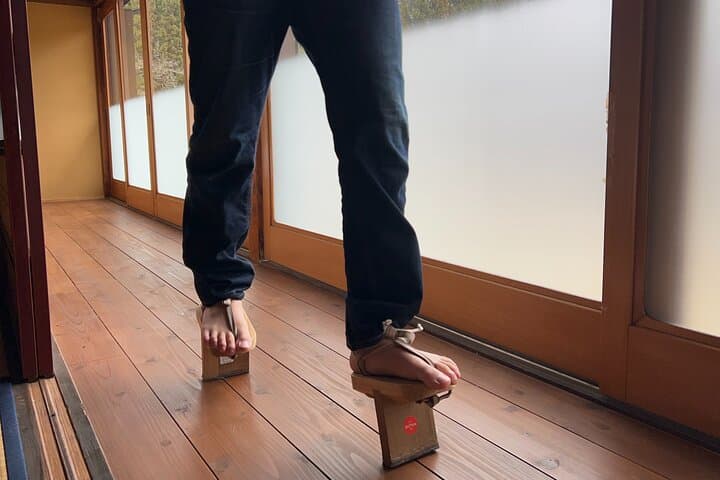
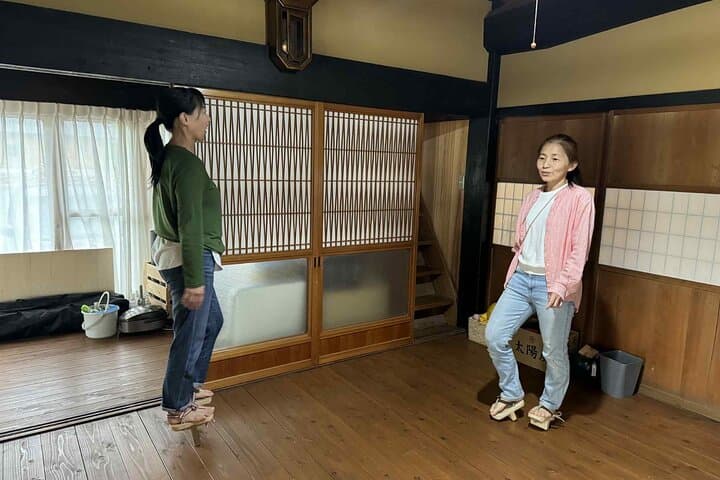
You step into a quiet studio in Takayama as cedar-scented air meets warm oil; the teacher greets you and sets a pair of ippon blades—one-tooth wooden geta—on the floor like tools of posture. The room is calm, light filtering through shoji; outside, the old-town streets sleep under mountain air, but here the focus is inward: balance, breath, and small, deliberate steps.
Verified experiences and guided adventures in the surrounding area.
Operated by Traditional Single-Tooth Geta Guided Walk in Hida · Takayama, Gifu Prefecture
You step into a quiet studio in Takayama as cedar-scented air meets warm oil; the teacher greets you and sets a pair of ippon blades—one-tooth wooden geta—on the floor like tools of posture. The room is calm, light filtering through shoji; outside, the old-town streets sleep under mountain air, but here the focus is inward: balance, breath, and small, deliberate steps.
The practice blends ancient Ayurvedic ideas of dosha balance and oil therapy with a distinctly Japanese tool: wooden geta have supported local farmers and festival dancers for centuries, while modern ippon blades narrow that heritage to a training device for alignment. Hida Takayama sits on the edge of the Northern Japanese Alps, its woodworking tradition and cedar forests informing the handcrafted geta available nearby.
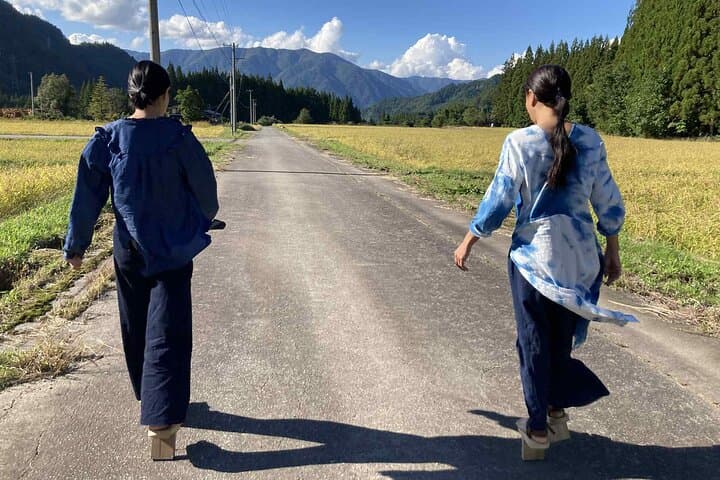
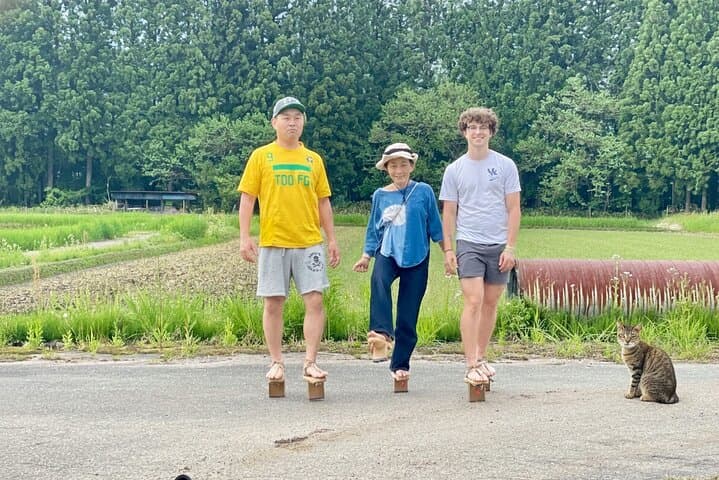
Expect 60–75 minutes of guided standing and walking practice with the ippon blade, gentle mobility exercises tailored to ability, and a concluding Ayurvedic oil massage. The session is primarily indoors, with a possible short, slow outdoor walk if weather allows. The pace is careful; the instruction adjusts for beginners, though it's not recommended for pregnant visitors or those with heart conditions.
Practical tips: wear thin, easy-to-remove socks and comfortable, non-restrictive clothing; arrive hydrated and with any medical concerns disclosed. Public transit serves central Takayama and the studio; handmade ippon blade geta may be offered for purchase (approx. ¥30,000). This is a small-group, restorative experience that pairs cultural craft with practical bodywork—ideal for travelers wanting a calm, focused way to sample local wellness and join a living tradition.
easy.
3 hours.
Suitable for most people with basic mobility; exercises are gentle but require standing balance for short periods.
An ippon blade is a one-tooth wooden geta adapted as a balance and posture training tool; during the session you learn safe standing and walking techniques under supervision.
Yes—sessions are tailored to individual ability and paced slowly, though participants with pregnancy or heart issues should not join.
The three-hour experience includes ippon blade instruction, guided movement work, and an Ayurvedic oil massage; indoor space and equipment are provided.
Yes, there is an option to purchase handmade Japanese ippon blade geta on-site, typically around ¥30,000 per pair, subject to availability.
Takayama's woodworking and footwear traditions reflect centuries of local carpentry and mountain living; geta evolved as practical footwear and festival attire before becoming training tools.
The region emphasizes sustainable forestry and traditional craft preservation; choose locally made goods and follow studio guidance to minimize impact.
Traditional Single-Tooth Geta Guided Walk in Hida operates guided outdoor trips and adventures with an emphasis on safety, stewardship, and memorable experiences.
You step into a quiet studio in Takayama as cedar-scented air meets warm oil; the teacher greets you and sets a pair of ippon blades—one-tooth wooden geta—on the floor like tools of posture. The room is calm, light filtering through shoji; outside, the old-town streets sleep under mountain air, but here the focus is inward: balance, breath, and small, deliberate steps.
You step into a quiet studio in Takayama as cedar-scented air meets warm oil; the teacher greets you and sets a pair of ippon blades—one-tooth wooden geta—on the floor like tools of posture. The room is calm, light filtering through shoji; outside, the old-town streets sleep under mountain air, but here the focus is inward: balance, breath, and small, deliberate steps.
The practice blends ancient Ayurvedic ideas of dosha balance and oil therapy with a distinctly Japanese tool: wooden geta have supported local farmers and festival dancers for centuries, while modern ippon blades narrow that heritage to a training device for alignment. Hida Takayama sits on the edge of the Northern Japanese Alps, its woodworking tradition and cedar forests informing the handcrafted geta available nearby.
Expect 60–75 minutes of guided standing and walking practice with the ippon blade, gentle mobility exercises tailored to ability, and a concluding Ayurvedic oil massage. The session is primarily indoors, with a possible short, slow outdoor walk if weather allows. The pace is careful; the instruction adjusts for beginners, though it's not recommended for pregnant visitors or those with heart conditions.
Practical tips: wear thin, easy-to-remove socks and comfortable, non-restrictive clothing; arrive hydrated and with any medical concerns disclosed. Public transit serves central Takayama and the studio; handmade ippon blade geta may be offered for purchase (approx. ¥30,000). This is a small-group, restorative experience that pairs cultural craft with practical bodywork—ideal for travelers wanting a calm, focused way to sample local wellness and join a living tradition.