THE ADVENTURE COLLECTIVE® · Independent discovery and booking for outdoor travel

Follow lantern light up Inwangsan’s fortress wall to Beombawi for a compact, evening hike that delivers wide night views of Gyeongbokgung, the Blue House and Namsan Tower. Short, steep and guided, it’s a focused urban ascent with historical context.
Follow lantern light up Inwangsan’s fortress wall to Beombawi for a compact, evening hike that delivers wide night views of Gyeongbokgung, the Blue House and Namsan Tower. Short, steep and guided, it’s a focused urban ascent with historical context.
You step off a Seoul street and the city exhales behind you—metallic buses and neon signs give way to stone steps and the low, measured glow of paper lanterns. The lanterns bob along the Hanyang Fortress Wall as you climb Inwangsan’s western ridge; behind every shoulder of rock the capital’s lights unfold, compact and insistently bright.
Verified experiences and guided adventures in the surrounding area.
Operated by Minari Travel · Seoul, Seoul
You step off a Seoul street and the city exhales behind you—metallic buses and neon signs give way to stone steps and the low, measured glow of paper lanterns. The lanterns bob along the Hanyang Fortress Wall as you climb Inwangsan’s western ridge; behind every shoulder of rock the capital’s lights unfold, compact and insistently bright.
Inwangsan has guarded Hanyang (old Seoul) since the Joseon era; the fortress wall you follow dates to the 14th–18th centuries, repaired in layers through dynasty and occupation. Geologically the mountain is a remnant of basalt and granite outcrops that give Beombawi (Tiger Rock) its sculpted profile and practical ledges for viewing. Culturally the slopes host small shamanic altars and neighborhood shrines—quiet markers of local practice against the city’s hum.
The guided route is short but steep: expect roughly 40 minutes of steady ascent to the main viewpoint, with stone and dirt steps, occasional handrails, and pockets of exposed rock. At Beombawi the panorama opens: Gyeongbokgung, the Blue House, Namsan Tower and the glassed avenues of Yeouido arranged under night light. Guides pause for a snack and quiet time for photos and reflection.
For planning, aim to arrive by public transport before dusk, wear grippy shoes for uneven steps, and bring a light layer—the summit can feel several degrees cooler with wind off the Han River. Respect shrine areas, stay with the group on narrow ledges, and save your longest exposures for the descent when city navigation resumes.
moderate.
2–2.5 hours.
Moderate fitness: able to handle 30–45 minutes of steady uphill on uneven steps and short rock scrambles.
The route involves 30–45 minutes of steady uphill with stone stairs and some rocky sections; it’s short but physically engaging.
Most groups meet near a central Seoul metro station—public transport is convenient and recommended over driving.
Guides provide a lantern for the group; the trail is generally safe when you stay with the guide, but bring your own light for extra safety.
Not recommended for people with serious back or heart conditions; children can join if they can manage the uphill steps and stay with the group.
Inwangsan’s wall was part of the Hanyang Fortress protecting Seoul since the Joseon dynasty; the mountain also hosted lookout posts during the 20th-century conflicts.
High foot traffic makes staying on established trails and packing out trash important; respect cultural sites and avoid loud behavior to protect wildlife and sacred spaces.
Minari Travel operates guided outdoor trips and adventures with an emphasis on safety, stewardship, and memorable experiences.
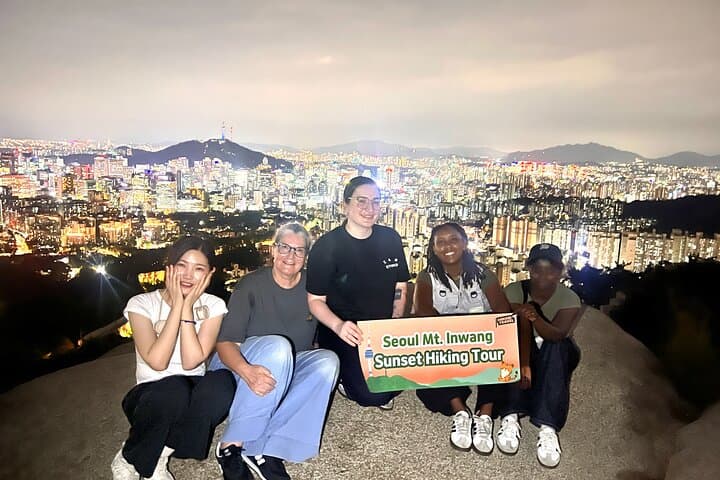
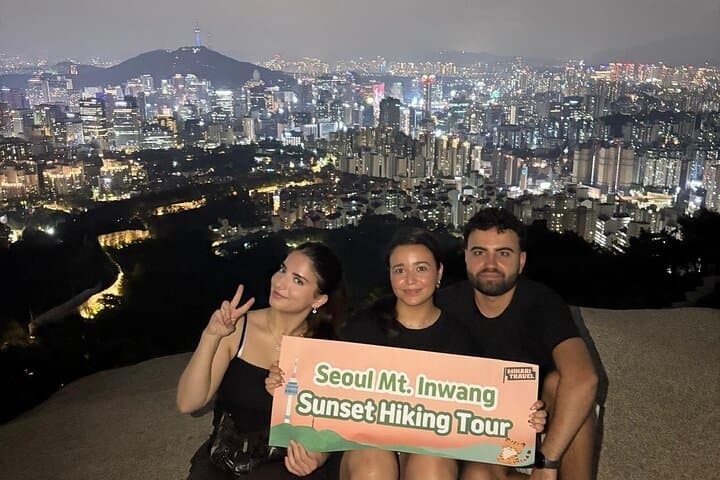
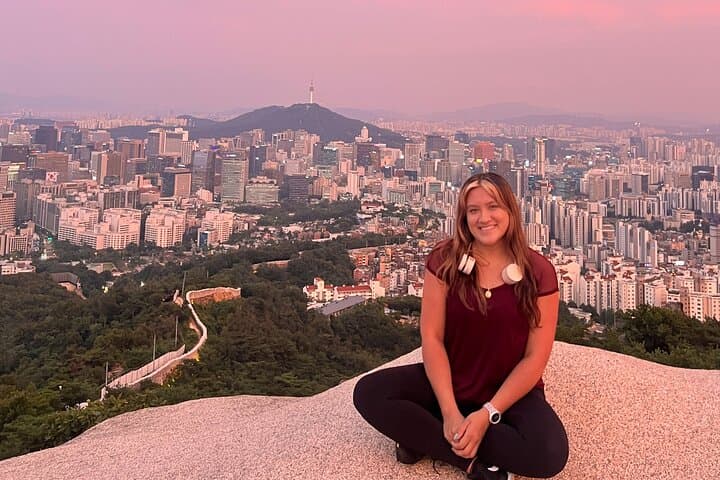
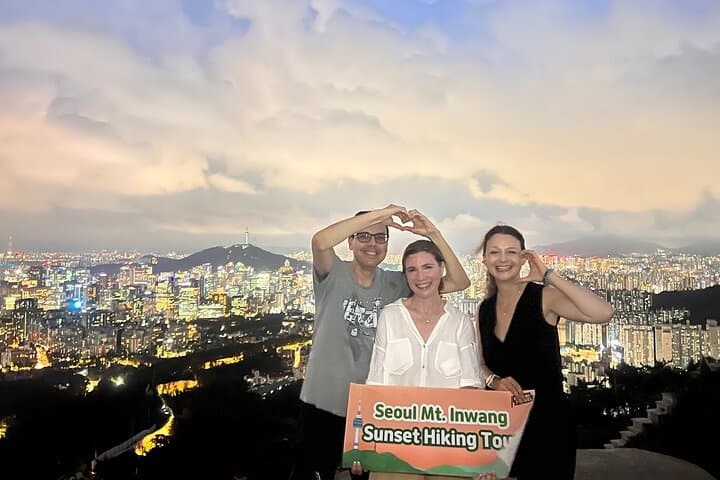
You step off a Seoul street and the city exhales behind you—metallic buses and neon signs give way to stone steps and the low, measured glow of paper lanterns. The lanterns bob along the Hanyang Fortress Wall as you climb Inwangsan’s western ridge; behind every shoulder of rock the capital’s lights unfold, compact and insistently bright.
You step off a Seoul street and the city exhales behind you—metallic buses and neon signs give way to stone steps and the low, measured glow of paper lanterns. The lanterns bob along the Hanyang Fortress Wall as you climb Inwangsan’s western ridge; behind every shoulder of rock the capital’s lights unfold, compact and insistently bright.
Inwangsan has guarded Hanyang (old Seoul) since the Joseon era; the fortress wall you follow dates to the 14th–18th centuries, repaired in layers through dynasty and occupation. Geologically the mountain is a remnant of basalt and granite outcrops that give Beombawi (Tiger Rock) its sculpted profile and practical ledges for viewing. Culturally the slopes host small shamanic altars and neighborhood shrines—quiet markers of local practice against the city’s hum.
The guided route is short but steep: expect roughly 40 minutes of steady ascent to the main viewpoint, with stone and dirt steps, occasional handrails, and pockets of exposed rock. At Beombawi the panorama opens: Gyeongbokgung, the Blue House, Namsan Tower and the glassed avenues of Yeouido arranged under night light. Guides pause for a snack and quiet time for photos and reflection.
For planning, aim to arrive by public transport before dusk, wear grippy shoes for uneven steps, and bring a light layer—the summit can feel several degrees cooler with wind off the Han River. Respect shrine areas, stay with the group on narrow ledges, and save your longest exposures for the descent when city navigation resumes.