THE ADVENTURE COLLECTIVE® · Independent discovery and booking for outdoor travel

Try a 1:1 taster dive in a sheltered Lanzarote bay—short underwater time, full equipment, and guided shallow-water practice. Perfect for first-timers who want a safe, close-up look at volcanic reefs and marine life.
Try a 1:1 taster dive in a sheltered Lanzarote bay—short underwater time, full equipment, and guided shallow-water practice. Perfect for first-timers who want a safe, close-up look at volcanic reefs and marine life.
The sea in front of Lanzarote feels alive: low, glassy bays open onto black volcanic reefs and a current that nudges you gently toward color and crevice. On a sheltered beach, an instructor checks your regulator and buoyancy compensator while salt and warm wind carry the island’s volcanic scent. This is where a first breath underwater becomes a deliberate, taught rhythm.
Verified experiences and guided adventures in the surrounding area.
Operated by Aquanautic Club Lanzarote · Puerto del Carmen, Lanzarote
The sea in front of Lanzarote feels alive: low, glassy bays open onto black volcanic reefs and a current that nudges you gently toward color and crevice. On a sheltered beach, an instructor checks your regulator and buoyancy compensator while salt and warm wind carry the island’s volcanic scent. This is where a first breath underwater becomes a deliberate, taught rhythm.
Lanzarote’s coastline is a young geological page—cooled lava flows drop into the Atlantic and form submerged ridges, arches and caves that shape local dive sites. Human history here is marked by maritime traditions and the artistic interventions of César Manrique, who shaped how visitors move between raw geology and coastal villages. The sea preserves its own culture: fishermen’s knowledge of tides, and an ecosystem shaped by nutrient-rich currents.
Expect a concise theory briefing on pressure equalization, hand signals and equipment use before shallow-water practice. The dive itself is short—about 25–30 minutes at low depth in a quiet bay—and conducted 1:1 with an instructor. You’ll encounter volcanic outcrops, crannies where small fish shelter and possibly octopus or parrotfish inspecting your fins. Currents will test your attention but rarely push hard here; the instructor paces the dive so comfort comes before depth.
Practical pointers: arrive hydrated and sun-protected, wear sturdy water shoes for rocky entry, and bring a towel and light thermolayer for post-dive wind. If you plan more dives, ask about local marine protected zones and seasonal conditions; morning slots usually mean calmer water and clearer visibility. This taster is ideal as a safe, hands-on introduction to scuba and a compact way to sample Lanzarote’s underwater geology and life.
easy.
2.5–3 hours.
Moderate fitness—comfortable swimming ability and ability to follow instruction for breath control and equalization.
No—this is an introductory, instructor-led experience designed for people without previous certification.
Expect approximately 25–30 minutes of actual dive time after surface and shallow-water practice; total activity runs about 2.5–3 hours.
Yes—dives are 1:1 with an instructor and kept at shallow depths; communicate any concerns during the briefing so the pace can be adjusted.
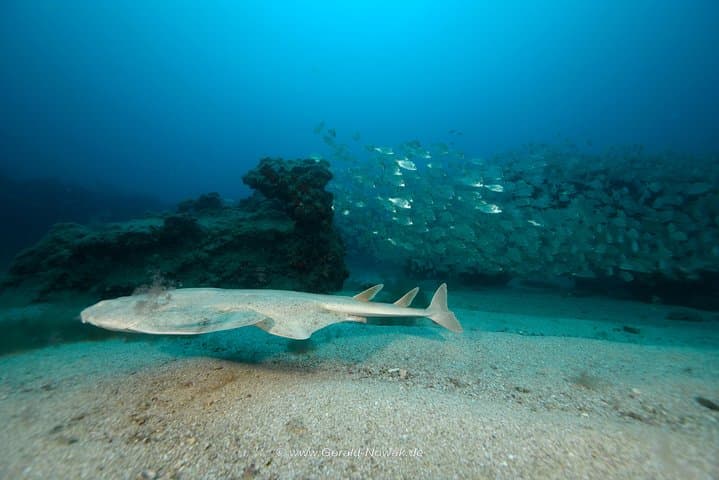
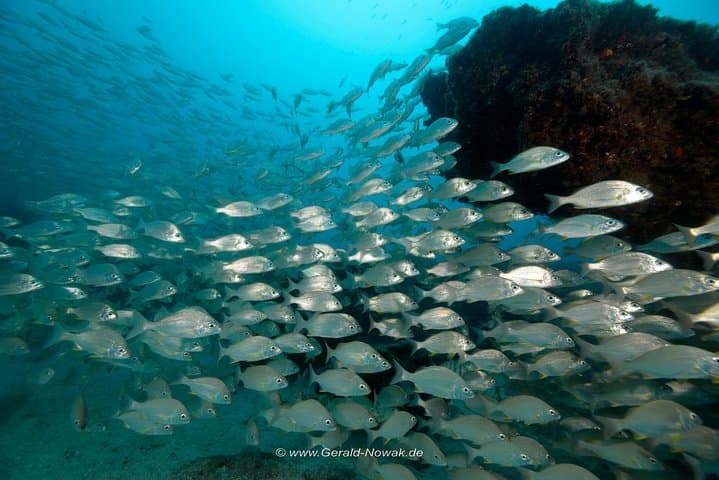
Common sightings include small reef fish, parrotfish, occasional octopus and scorpionfish; sightings vary with visibility and season.
Lanzarote’s coastline is built on volcanic flows from eruptions in the last few millennia; maritime fishing traditions shaped many coastal communities.
Several coastal areas around Lanzarote are protected; follow no-touch rules, use reef-safe sunscreen, and avoid anchoring on reefs to minimize impact.
Aquanautic Club Lanzarote operates guided outdoor trips and adventures with an emphasis on safety, stewardship, and memorable experiences.
The sea in front of Lanzarote feels alive: low, glassy bays open onto black volcanic reefs and a current that nudges you gently toward color and crevice. On a sheltered beach, an instructor checks your regulator and buoyancy compensator while salt and warm wind carry the island’s volcanic scent. This is where a first breath underwater becomes a deliberate, taught rhythm.
The sea in front of Lanzarote feels alive: low, glassy bays open onto black volcanic reefs and a current that nudges you gently toward color and crevice. On a sheltered beach, an instructor checks your regulator and buoyancy compensator while salt and warm wind carry the island’s volcanic scent. This is where a first breath underwater becomes a deliberate, taught rhythm.
Lanzarote’s coastline is a young geological page—cooled lava flows drop into the Atlantic and form submerged ridges, arches and caves that shape local dive sites. Human history here is marked by maritime traditions and the artistic interventions of César Manrique, who shaped how visitors move between raw geology and coastal villages. The sea preserves its own culture: fishermen’s knowledge of tides, and an ecosystem shaped by nutrient-rich currents.
Expect a concise theory briefing on pressure equalization, hand signals and equipment use before shallow-water practice. The dive itself is short—about 25–30 minutes at low depth in a quiet bay—and conducted 1:1 with an instructor. You’ll encounter volcanic outcrops, crannies where small fish shelter and possibly octopus or parrotfish inspecting your fins. Currents will test your attention but rarely push hard here; the instructor paces the dive so comfort comes before depth.
Practical pointers: arrive hydrated and sun-protected, wear sturdy water shoes for rocky entry, and bring a towel and light thermolayer for post-dive wind. If you plan more dives, ask about local marine protected zones and seasonal conditions; morning slots usually mean calmer water and clearer visibility. This taster is ideal as a safe, hands-on introduction to scuba and a compact way to sample Lanzarote’s underwater geology and life.