THE ADVENTURE COLLECTIVE® · Independent discovery and booking for outdoor travel

Breathe for the first time underwater in a protected Mallorca bay—guided, small-group dives introduce beginners to Posidonia meadows, wrasse and octopus in calm, clear water. Read on for what to expect and how to prepare.
Breathe for the first time underwater in a protected Mallorca bay—guided, small-group dives introduce beginners to Posidonia meadows, wrasse and octopus in calm, clear water. Read on for what to expect and how to prepare.
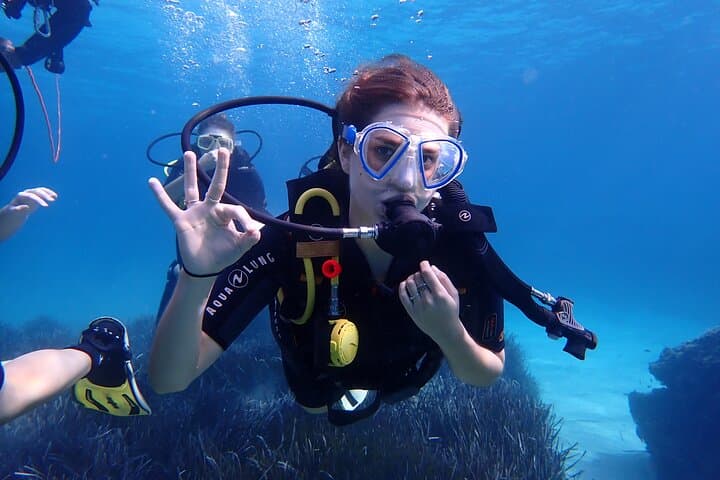
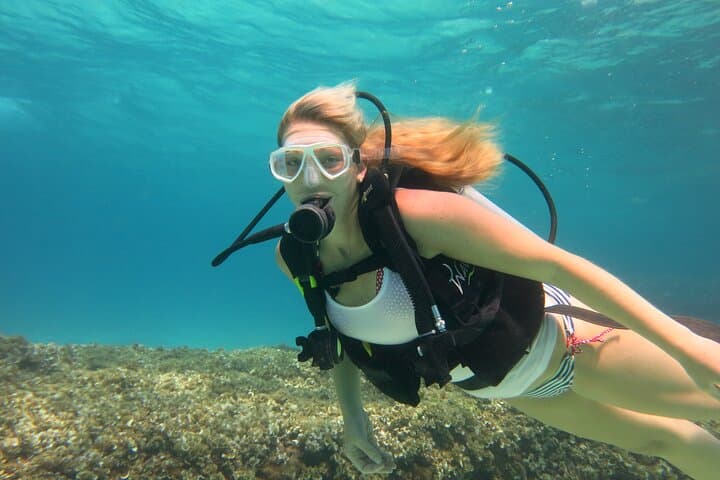
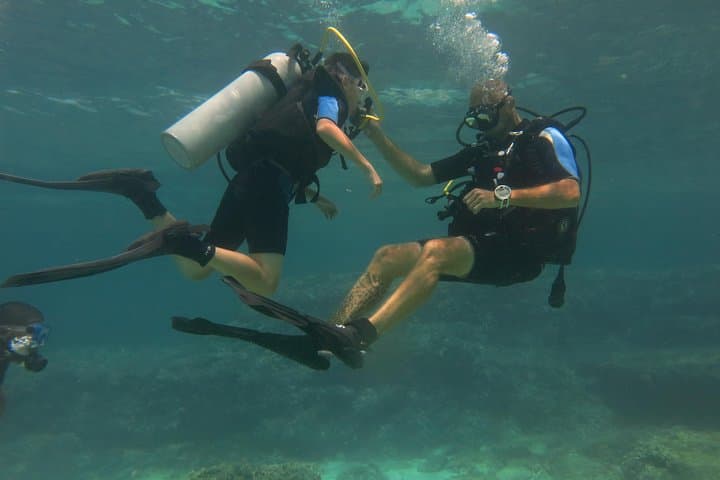
You step off the skiff with salt on your lips and the Med opening around you—clear water folding into a pocket of sheltered bay. Instructors check your gear, voice low and steady; beneath the surface the sea seems to slow time, currents nudging you forward like a companion encouraging first breaths.
Verified experiences and guided adventures in the surrounding area.
Operated by Diving and Adventure · Colònia de Sant Jordi, Balearic Islands
You step off the skiff with salt on your lips and the Med opening around you—clear water folding into a pocket of sheltered bay. Instructors check your gear, voice low and steady; beneath the surface the sea seems to slow time, currents nudging you forward like a companion encouraging first breaths.
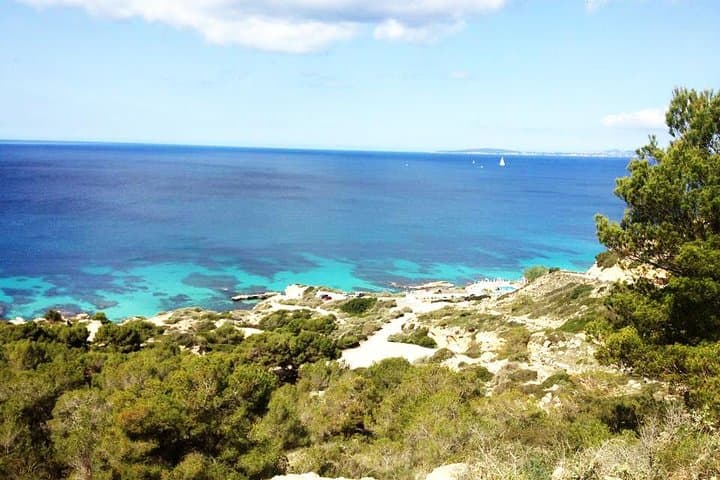
This is beginner diving in Mallorca’s protected waters: a short boat run to Cala Delta within the archipelago’s marine reserve, where Posidonia meadows and rocky outcrops shelter schools of wrasse and occasional octopus. The islands carry layered histories—Phoenician sailors, Roman trade routes and later fishing communities—so the underwater landscape often hides old anchors and unfrequented coves as well as natural features carved by limestone and sea.
Culturally, the Balearic approach to the sea is pragmatic: respect, regulation and careful stewardship. The reserve charges a fee to support monitoring and limits visitor impact; guides brief you on what to touch (nothing) and how to move (deliberately).
Practically: expect a 3-hour window including briefing, a short surface transit and a guided 30–45 minute shallow dive in groups of up to six with at least two guides. Bring swimwear, ID and a towel; avoid flying within 12 hours after diving. Morning departures usually offer calmer seas and the best visibility. Stay hydrated, listen closely to your instructor during the buoyancy checks, and keep movements slow so nudging fish aren’t startled. For first-time divers, this trip offers close-up marine life, steady conditions and the confidence-building structure of an entry-level dive in one of the Mediterranean’s more protected seascapes.
easy.
3 hours.
Light to moderate—should be comfortable swimming and entering/exiting a small boat; no advanced fitness required
No—this is an introductory dive for beginners under instructor supervision; you won’t earn a certification, but you will learn basic skills and complete a supervised shallow dive.
Minimum age is typically 10 years; participants must be in good medical condition and able to follow instructions.
Guided dives last up to about 30–45 minutes depending on conditions, with the overall activity taking around 3 hours including briefing and transit.
Not recommended for pregnant people or those with significant heart, lung or spinal problems—disclose medical history during booking and consult a physician if unsure.
The Cabrera archipelago and nearby coastal reefs have maritime history stretching from ancient trade routes to modern protection; parts of the Balearic coast are now managed to preserve seagrass meadows and wreck sites.
The marine reserve charge and guided rules help fund monitoring and reduce impact—respect signage, avoid touching fauna, and use reef-safe products to limit damage.
Diving and Adventure operates guided outdoor trips and adventures with an emphasis on safety, stewardship, and memorable experiences.
You step off the skiff with salt on your lips and the Med opening around you—clear water folding into a pocket of sheltered bay. Instructors check your gear, voice low and steady; beneath the surface the sea seems to slow time, currents nudging you forward like a companion encouraging first breaths.
You step off the skiff with salt on your lips and the Med opening around you—clear water folding into a pocket of sheltered bay. Instructors check your gear, voice low and steady; beneath the surface the sea seems to slow time, currents nudging you forward like a companion encouraging first breaths.
This is beginner diving in Mallorca’s protected waters: a short boat run to Cala Delta within the archipelago’s marine reserve, where Posidonia meadows and rocky outcrops shelter schools of wrasse and occasional octopus. The islands carry layered histories—Phoenician sailors, Roman trade routes and later fishing communities—so the underwater landscape often hides old anchors and unfrequented coves as well as natural features carved by limestone and sea.
Culturally, the Balearic approach to the sea is pragmatic: respect, regulation and careful stewardship. The reserve charges a fee to support monitoring and limits visitor impact; guides brief you on what to touch (nothing) and how to move (deliberately).
Practically: expect a 3-hour window including briefing, a short surface transit and a guided 30–45 minute shallow dive in groups of up to six with at least two guides. Bring swimwear, ID and a towel; avoid flying within 12 hours after diving. Morning departures usually offer calmer seas and the best visibility. Stay hydrated, listen closely to your instructor during the buoyancy checks, and keep movements slow so nudging fish aren’t startled. For first-time divers, this trip offers close-up marine life, steady conditions and the confidence-building structure of an entry-level dive in one of the Mediterranean’s more protected seascapes.