THE ADVENTURE COLLECTIVE® · Independent discovery and booking for outdoor travel

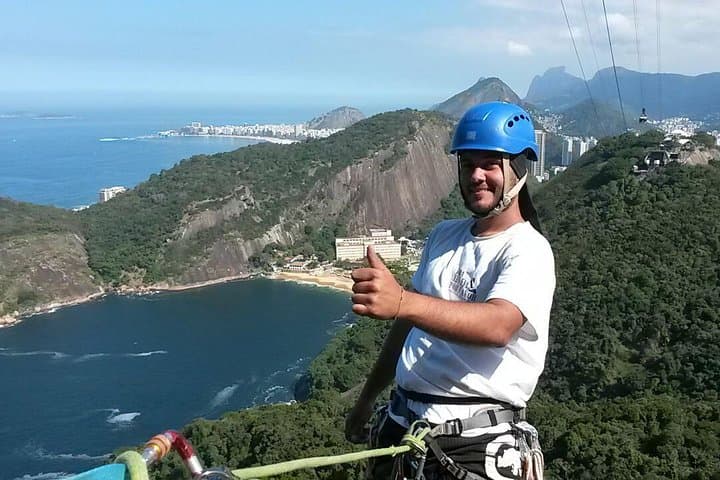
Learn basic climbing techniques on 10–50m top-rope routes above Urca in a focused 5‑hour session. Ideal for beginners, the guided experience pairs hands-on instruction with sweeping harbor and city views.
Learn basic climbing techniques on 10–50m top-rope routes above Urca in a focused 5‑hour session. Ideal for beginners, the guided experience pairs hands-on instruction with sweeping harbor and city views.
You arrive at the square in Urca with the roar of the bay underfoot and the granite faces of Sugarloaf and surrounding knobs rising like ancient walls. The instructor sets packs down by the obelisk, lays out ropes and harnesses, and the city hum—trams, fishermen, the distant beat of samba—slows to the measured rhythm of clipped carabiners and practiced knots.
Verified experiences and guided adventures in the surrounding area.
Operated by Nattrip - Tourism, Ecotourism and Adventure in Rio de Janeiro · Rio de Janeiro, Rio de Janeiro
You arrive at the square in Urca with the roar of the bay underfoot and the granite faces of Sugarloaf and surrounding knobs rising like ancient walls. The instructor sets packs down by the obelisk, lays out ropes and harnesses, and the city hum—trams, fishermen, the distant beat of samba—slows to the measured rhythm of clipped carabiners and practiced knots.
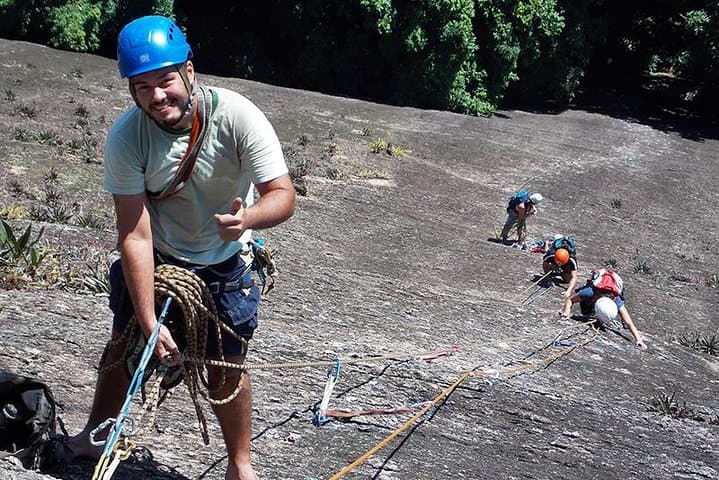
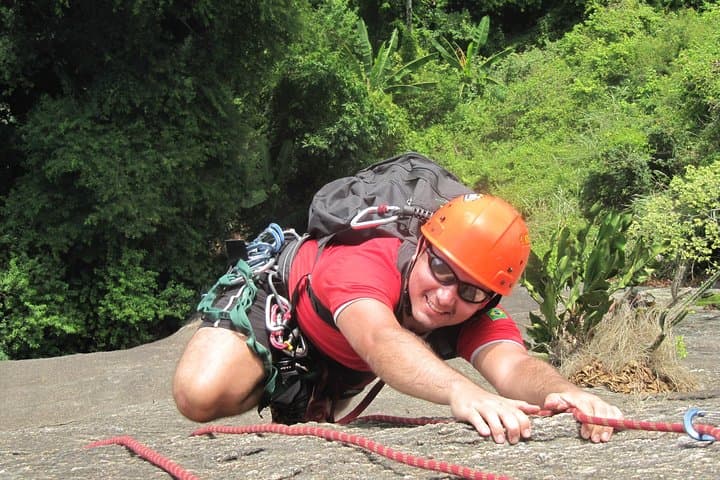
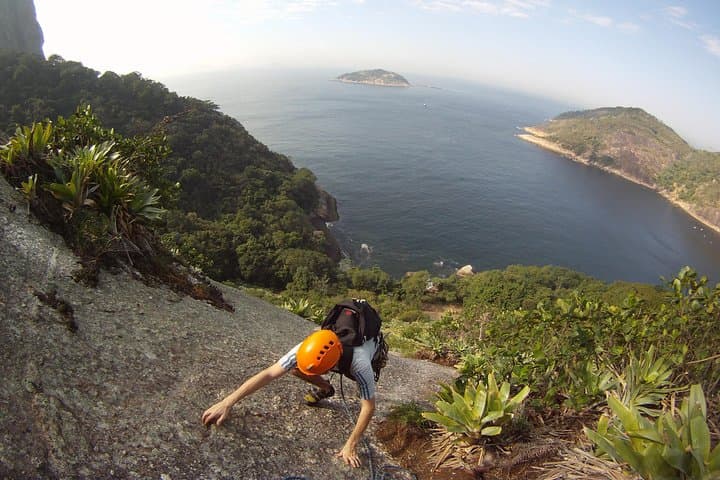
This is a climbing baptism: short, purposeful routes of 10–50 meters on natural rock run on top-rope so novices feel the rock rather than test their lead. Urca has been a playground for Rio climbers since the early 20th century; these shores and crags have seen soldiers, sailors and weekend climbers share the same paths. Geologically, the granite here is dense and coarse—excellent friction when dry, glassy when wet—creating reliable holds and clean faces for learning movement and technique.
Culturally, climbing in Urca is tied to neighborhood life: vendors hawking coconuts on Praia Vermelha, fishermen mending nets at the breakwater, and the fortress of São João drifting into view. Guides here teach more than knots; they translate the local etiquette of loosened bolts, route-sharing and low-impact use of public crags.
Practically, the five-hour session covers equipment, belaying basics, footwork and two-to-three guided climbs per participant. Operators supply all standard safety gear—harnesses, helmets, ropes and fixed anchors—so your focus is on balance and body position. The program accepts children over eight and limits groups (maximum four per booking) to keep instruction tight. Transport can be included from tourist-zone hotels; otherwise you meet in front of the obelisk in the square.
Safety notes are straightforward: don’t climb if you have serious heart or spinal conditions, avoid alcohol beforehand, and bring comfortable approach shoes for the walk to routes. Expect sun and reflective heat off granite; sunscreen and water are non-negotiable.
Timing matters: mornings and late afternoons are cooler and bring better friction; midday in summer is hot and humid. Modest fitness and no prior technical skill are required—this is designed for first-timers—but be prepared for short, sustained upper-body and core work.
When you lower off your first top-rope, the city opens again—the harbor, the bells, the steep streets—and climbing reveals a different Rio: a place where you meet the rock, learn its language, and leave lighter. This introductory course isn’t a conquest; it’s an invitation to a lifelong sport with clear, teachable steps and a scenic classroom that only Rio can offer.
moderate.
5 hours.
Moderate fitness—short bursts of upper-body strength, core stability and comfort on uneven terrain.
No—this is an introductory top-rope course designed for beginners; instructors teach basic knots, belaying and movement.
Children over 8 years old may be eligible; the guide will assess each child’s readiness and fitness on the day.
Yes—harnesses, helmets, ropes and other standard safety gear are supplied by the operator.
Pickup is available from selected hotels in the tourist zone if you selected the transport option at booking.
Tours can be canceled in wet conditions for safety; the operator will notify you and standard cancellation policy applies if canceled due to weather.
Yes—the activity limits participants to a small group (maximum four per booking) to ensure focused instruction.
Urca’s granite faces have drawn climbers, sailors and soldiers for over a century; the neighborhood grew around coastal defenses like Fortaleza de São João.
Climbs use established anchors and fixed lines; visitors are asked to follow low-impact practices—pack out trash and avoid altering rock features.
Nattrip - Tourism, Ecotourism and Adventure in Rio de Janeiro operates guided outdoor trips and adventures with an emphasis on safety, stewardship, and memorable experiences.
You arrive at the square in Urca with the roar of the bay underfoot and the granite faces of Sugarloaf and surrounding knobs rising like ancient walls. The instructor sets packs down by the obelisk, lays out ropes and harnesses, and the city hum—trams, fishermen, the distant beat of samba—slows to the measured rhythm of clipped carabiners and practiced knots.
You arrive at the square in Urca with the roar of the bay underfoot and the granite faces of Sugarloaf and surrounding knobs rising like ancient walls. The instructor sets packs down by the obelisk, lays out ropes and harnesses, and the city hum—trams, fishermen, the distant beat of samba—slows to the measured rhythm of clipped carabiners and practiced knots.
This is a climbing baptism: short, purposeful routes of 10–50 meters on natural rock run on top-rope so novices feel the rock rather than test their lead. Urca has been a playground for Rio climbers since the early 20th century; these shores and crags have seen soldiers, sailors and weekend climbers share the same paths. Geologically, the granite here is dense and coarse—excellent friction when dry, glassy when wet—creating reliable holds and clean faces for learning movement and technique.
Culturally, climbing in Urca is tied to neighborhood life: vendors hawking coconuts on Praia Vermelha, fishermen mending nets at the breakwater, and the fortress of São João drifting into view. Guides here teach more than knots; they translate the local etiquette of loosened bolts, route-sharing and low-impact use of public crags.
Practically, the five-hour session covers equipment, belaying basics, footwork and two-to-three guided climbs per participant. Operators supply all standard safety gear—harnesses, helmets, ropes and fixed anchors—so your focus is on balance and body position. The program accepts children over eight and limits groups (maximum four per booking) to keep instruction tight. Transport can be included from tourist-zone hotels; otherwise you meet in front of the obelisk in the square.
Safety notes are straightforward: don’t climb if you have serious heart or spinal conditions, avoid alcohol beforehand, and bring comfortable approach shoes for the walk to routes. Expect sun and reflective heat off granite; sunscreen and water are non-negotiable.
Timing matters: mornings and late afternoons are cooler and bring better friction; midday in summer is hot and humid. Modest fitness and no prior technical skill are required—this is designed for first-timers—but be prepared for short, sustained upper-body and core work.
When you lower off your first top-rope, the city opens again—the harbor, the bells, the steep streets—and climbing reveals a different Rio: a place where you meet the rock, learn its language, and leave lighter. This introductory course isn’t a conquest; it’s an invitation to a lifelong sport with clear, teachable steps and a scenic classroom that only Rio can offer.