THE ADVENTURE COLLECTIVE® · Independent discovery and booking for outdoor travel

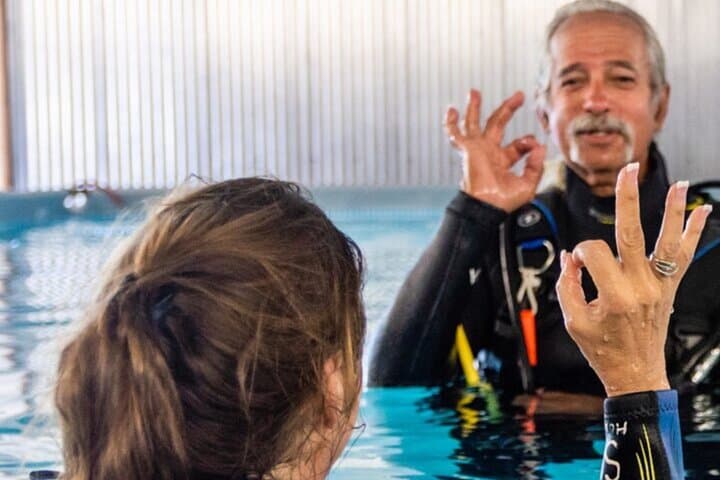
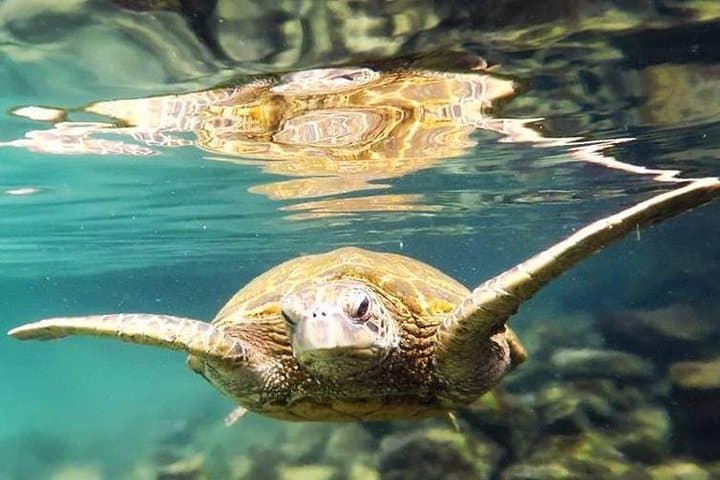
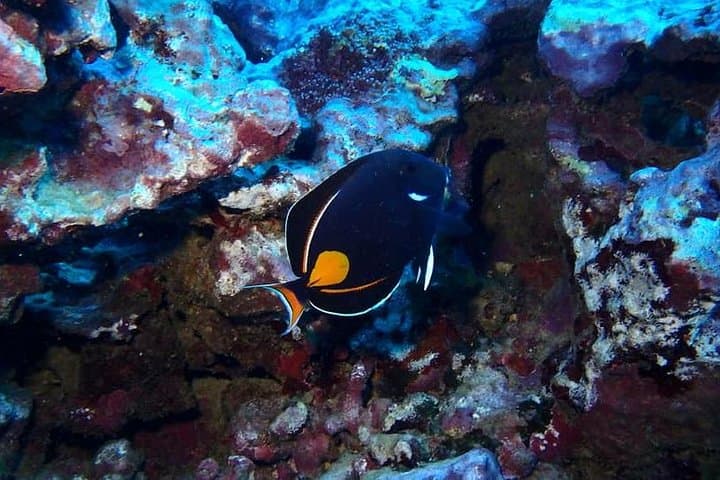
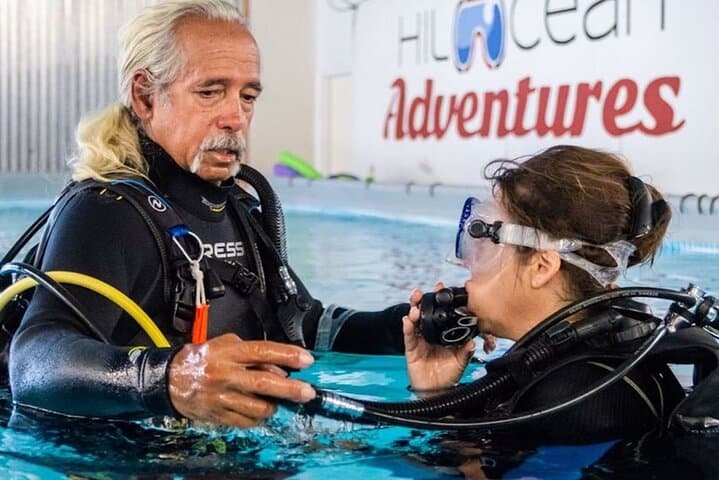
No certification? No problem. This guided introductory beach scuba dive in Hilo combines a classroom session, pool practice and an open-water reef dive where you can expect to see Hawaiian green sea turtles and vibrant reef fish.
No certification? No problem. This guided introductory beach scuba dive in Hilo combines a classroom session, pool practice and an open-water reef dive where you can expect to see Hawaiian green sea turtles and vibrant reef fish.
The Pacific pushes lightly against the black lava shoreline as you stand on Kamehameha Avenue, gear clipped and tank humming with quiet promise. Hilo’s reefs unfurl below the surface: lava shelves sculpted by historic flows, coral gardens draped across volcanic rock, and a current that will test your buoyancy as it ferries you along. Instructors talk you through breathing, mask clearing and safe approaches to curious reef fish before the ocean asks you to move slower and listen.
Verified experiences and guided adventures in the surrounding area.
Operated by Hilo Ocean Adventures · Hilo, Hawaii
The Pacific pushes lightly against the black lava shoreline as you stand on Kamehameha Avenue, gear clipped and tank humming with quiet promise. Hilo’s reefs unfurl below the surface: lava shelves sculpted by historic flows, coral gardens draped across volcanic rock, and a current that will test your buoyancy as it ferries you along. Instructors talk you through breathing, mask clearing and safe approaches to curious reef fish before the ocean asks you to move slower and listen.
Hilo’s coastline is a product of recent geology — young basalt flows meeting an old, tropical sea — and that contrast shows in the reef structure. The area has long been important to Native Hawaiian communities for fisheries and coastal access; today local dive operations blend that cultural awareness with modern conservation practices to protect turtle haul-outs and coral beds.
Expect a classroom refresh, confined-pool practice and a shallow open-water dive of roughly 30–45 minutes at reef depth. Visibility is variable, often excellent in calm mornings but reduced after wind or rain. Green sea turtles, parrotfish and small reef rays are common sights if you move deliberately and avoid touching coral.
Practical notes: arrive early to check paperwork and complete the medical questionnaire, follow instructor directions precisely, and plan not to fly or ascend above 2,500 ft for 18 hours after diving. Bring reef-safe sunscreen, a change of clothes and a reusable water bottle. For travelers seeking a hands-on introduction to scuba in a dramatic volcanic setting, this Hilo beach dive balances easy access with authentic marine encounters.
moderate.
4 hours (total itinerary).
Participants should be in good cardiovascular health and able to swim unassisted; able to carry ~50 lbs of gear briefly.
No — this introductory program is designed for non-certified divers and includes classroom and pool training before an escorted open-water dive.
Participants must be at least 15; pregnant women and those with serious cardiovascular, spinal, or respiratory conditions should not dive and must disclose health issues on the medical form.
Open-water dives typically last 30–45 minutes depending on conditions and individual air consumption after pool and classroom sessions.
Turtles are commonly encountered but wildlife sightings cannot be guaranteed; follow instructor guidance to avoid stressing animals.
Hilo’s reefs sit at the interface of recent lava flows and ancient reef growth; coastal access and fishery practices have long been integral to Native Hawaiian communities.
Operators emphasize reef-safe sunscreen, no-touch policies and maintaining distance from turtles to protect fragile coral ecosystems and local wildlife.
Hilo Ocean Adventures operates guided outdoor trips and adventures with an emphasis on safety, stewardship, and memorable experiences.
The Pacific pushes lightly against the black lava shoreline as you stand on Kamehameha Avenue, gear clipped and tank humming with quiet promise. Hilo’s reefs unfurl below the surface: lava shelves sculpted by historic flows, coral gardens draped across volcanic rock, and a current that will test your buoyancy as it ferries you along. Instructors talk you through breathing, mask clearing and safe approaches to curious reef fish before the ocean asks you to move slower and listen.
The Pacific pushes lightly against the black lava shoreline as you stand on Kamehameha Avenue, gear clipped and tank humming with quiet promise. Hilo’s reefs unfurl below the surface: lava shelves sculpted by historic flows, coral gardens draped across volcanic rock, and a current that will test your buoyancy as it ferries you along. Instructors talk you through breathing, mask clearing and safe approaches to curious reef fish before the ocean asks you to move slower and listen.
Hilo’s coastline is a product of recent geology — young basalt flows meeting an old, tropical sea — and that contrast shows in the reef structure. The area has long been important to Native Hawaiian communities for fisheries and coastal access; today local dive operations blend that cultural awareness with modern conservation practices to protect turtle haul-outs and coral beds.
Expect a classroom refresh, confined-pool practice and a shallow open-water dive of roughly 30–45 minutes at reef depth. Visibility is variable, often excellent in calm mornings but reduced after wind or rain. Green sea turtles, parrotfish and small reef rays are common sights if you move deliberately and avoid touching coral.
Practical notes: arrive early to check paperwork and complete the medical questionnaire, follow instructor directions precisely, and plan not to fly or ascend above 2,500 ft for 18 hours after diving. Bring reef-safe sunscreen, a change of clothes and a reusable water bottle. For travelers seeking a hands-on introduction to scuba in a dramatic volcanic setting, this Hilo beach dive balances easy access with authentic marine encounters.