THE ADVENTURE COLLECTIVE® · Independent discovery and booking for outdoor travel

Spend an evening under Gironde’s dark skies learning constellations, planets and deep-sky objects with telescopes and binoculars. This accessible, three-hour introduction blends a concise slide talk, instrument demos and guided observing for all ages.
Spend an evening under Gironde’s dark skies learning constellations, planets and deep-sky objects with telescopes and binoculars. This accessible, three-hour introduction blends a concise slide talk, instrument demos and guided observing for all ages.
You step out as daylight exhales and the Atlantic breeze cools vineyards and pine rows; over the horizon the first stars prick the deepening blue. In rural Gironde, away from Bordeaux’s glow, a small cluster of telescopes waits—glass lenses turned like curious ears listening to the sky.
Verified experiences and guided adventures in the surrounding area.
Operated by Albiréoo · Bordeaux, Gironde
You step out as daylight exhales and the Atlantic breeze cools vineyards and pine rows; over the horizon the first stars prick the deepening blue. In rural Gironde, away from Bordeaux’s glow, a small cluster of telescopes waits—glass lenses turned like curious ears listening to the sky.
This is an introductory astronomy evening aimed at anyone curious about planets, star formation, and the sweep of constellations. The region’s low-lying plateaus and sandy soils are part of the Aquitaine Basin; geology here dims urban light and favors clearer horizons. Astronomical education in France draws on a long tradition of amateur clubs and public observatories—expect a pragmatic mix of slide-illustration context and hands-on instrument time.
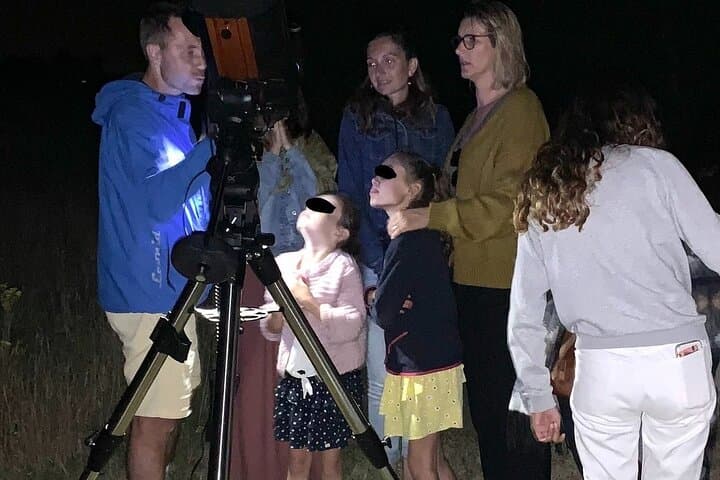
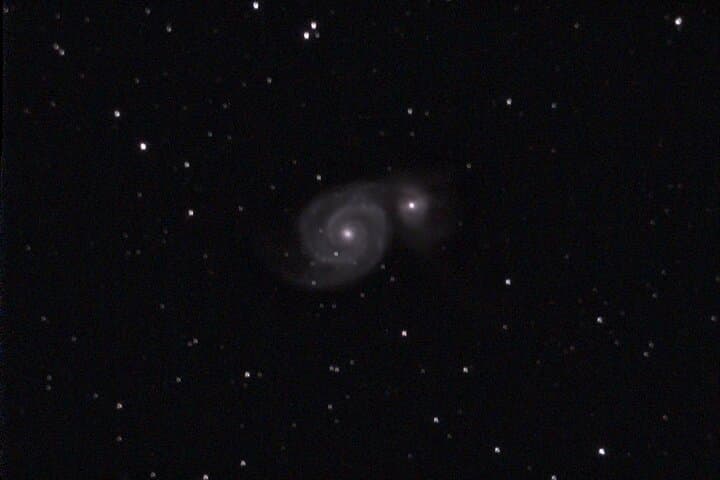
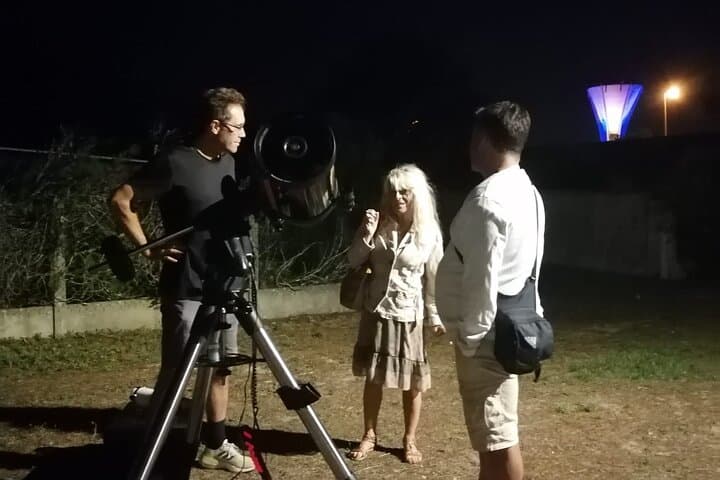
The guide typically opens with a short, illustrated talk and a kid-friendly story if children attend, followed by a demo of binoculars and telescopes. When darkness falls you’ll use binoculars and a telescope to view planets, star clusters, nebulae and—weather permitting—transits like the ISS or meteors. A red-light protocol and soft voices keep night vision intact; a laser pointer is used to trace constellations.
Practical notes: sessions run about three hours and are wheelchair accessible; the host prefers to discuss dates because moonlight can wash out fainter targets. Dress in layers and bring a headlamp with a red filter, and plan to arrive early for the pre-talk. If clouds or poor conditions force a cancelation, there's a refund policy if you cancel or the host cancels at least 24 hours ahead. For a brief, grounded taste of the cosmos, this is low-effort, high-wonder.
easy.
3 hours.
Suitable for all fitness levels; mostly standing or seated outdoors for short periods
Yes — the host provides a short story for children and adapts the presentation to family groups; it’s designed to be family-friendly.
The host may cancel for bad weather; cancellations made by the provider often follow the stated 24-hour policy and refunds are available per the booking terms.
No prior knowledge is required; the session starts with an illustrated talk and hands-on instruction for using binoculars and telescopes.
Yes — the activity listing notes wheelchair-accessible surfaces and transportation options; confirm any specific needs when booking.
Gironde is part of the historic Aquitaine region; local amateur astronomy has long been supported by small clubs and public soirées that open science to communities.
Observers are asked to minimize light pollution and follow leave-no-trace principles; staying on designated access points protects fragile dune and vineyard habitats.
Albiréoo operates guided outdoor trips and adventures with an emphasis on safety, stewardship, and memorable experiences.
You step out as daylight exhales and the Atlantic breeze cools vineyards and pine rows; over the horizon the first stars prick the deepening blue. In rural Gironde, away from Bordeaux’s glow, a small cluster of telescopes waits—glass lenses turned like curious ears listening to the sky.
You step out as daylight exhales and the Atlantic breeze cools vineyards and pine rows; over the horizon the first stars prick the deepening blue. In rural Gironde, away from Bordeaux’s glow, a small cluster of telescopes waits—glass lenses turned like curious ears listening to the sky.
This is an introductory astronomy evening aimed at anyone curious about planets, star formation, and the sweep of constellations. The region’s low-lying plateaus and sandy soils are part of the Aquitaine Basin; geology here dims urban light and favors clearer horizons. Astronomical education in France draws on a long tradition of amateur clubs and public observatories—expect a pragmatic mix of slide-illustration context and hands-on instrument time.
The guide typically opens with a short, illustrated talk and a kid-friendly story if children attend, followed by a demo of binoculars and telescopes. When darkness falls you’ll use binoculars and a telescope to view planets, star clusters, nebulae and—weather permitting—transits like the ISS or meteors. A red-light protocol and soft voices keep night vision intact; a laser pointer is used to trace constellations.
Practical notes: sessions run about three hours and are wheelchair accessible; the host prefers to discuss dates because moonlight can wash out fainter targets. Dress in layers and bring a headlamp with a red filter, and plan to arrive early for the pre-talk. If clouds or poor conditions force a cancelation, there's a refund policy if you cancel or the host cancels at least 24 hours ahead. For a brief, grounded taste of the cosmos, this is low-effort, high-wonder.