THE ADVENTURE COLLECTIVE® · Independent discovery and booking for outdoor travel

Spend a day learning outdoor rock climbing on the schist and sandstone faces near Stanhope, NJ. This beginner course covers knots, belaying, movement, and safety with guided, hands-on instruction.
Spend a day learning outdoor rock climbing on the schist and sandstone faces near Stanhope, NJ. This beginner course covers knots, belaying, movement, and safety with guided, hands-on instruction.
You arrive at a low, sun-warmed crag outside Stanhope where the schist and sandstone faces rise in short, crisp pitches. The rock has edges and pockets that reward straightforward technique more than brute force; the slabby sections test balance while small overhangs invite careful footwork. Instructors meet you with harnesses and helmets, map out routes, and set a rhythm: knot practice, belay checks, then hands-on climbs.
Verified experiences and guided adventures in the surrounding area.
Operated by Stay Rad Climbing Guides · Stanhope, New Jersey
You arrive at a low, sun-warmed crag outside Stanhope where the schist and sandstone faces rise in short, crisp pitches. The rock has edges and pockets that reward straightforward technique more than brute force; the slabby sections test balance while small overhangs invite careful footwork. Instructors meet you with harnesses and helmets, map out routes, and set a rhythm: knot practice, belay checks, then hands-on climbs.
This stretch of northern New Jersey sits on the Highlands physiographic province — weathered metamorphic rock shaped by ancient mountain-building and glacial scouring. The area’s climbing history is grassroots: local climbers bolting modest routes on accessible outcrops for training and recreation rather than alpine conquest. Cultural ties are informal — expect a supportive, small-group atmosphere where gym climbers learn outdoor etiquette and partners learn to trust each other.
Practical guidance starts with basics: you’ll spend time on knots (figure-eight, clove hitch), partner checks, and top-rope belaying before leading is introduced. Terrain is short pitches (often under 50 feet) with solid stances and variable friction; expect moderate exposure but controlled descents. Bring layered clothing for changeable spring or fall weather, closed-toe approach shoes for the walk-in, and a water bottle that’s easy to access while belaying.
Timing matters — aim for morning starts to beat heat and afternoon thunderstorms. Hydrate, practice communication commands before clipping in, and lean into instruction: this course emphasizes technique, safety, and building confidence to climb beyond the gym.
moderate.
6 hours.
Should have moderate fitness—able to hike short approaches, stand belays for extended periods, and perform basic bodyweight movements.
No—this course is designed for beginners and gym climbers transitioning outdoors; instructors cover knots, belaying, and basic technique.
Yes—harnesses, helmets, and climbing shoes are included, though some participants bring personal shoes for fit and comfort.
Participants should have moderate fitness and no contraindicated health issues; consult the operator for age limits or medical concerns.
The operator cancels in poor conditions; the policy typically allows full refunds if canceled at least 24 hours before the scheduled date.
The Highlands region contains metamorphic bedrock shaped during the Taconic and Acadian orogenies; local climbing developed informally on small outcrops rather than large crags.
Stick to established trails and belay stations to prevent vegetation loss; use human waste protocols and pack out trash to minimize impact.
Stay Rad Climbing Guides operates guided outdoor trips and adventures with an emphasis on safety, stewardship, and memorable experiences.
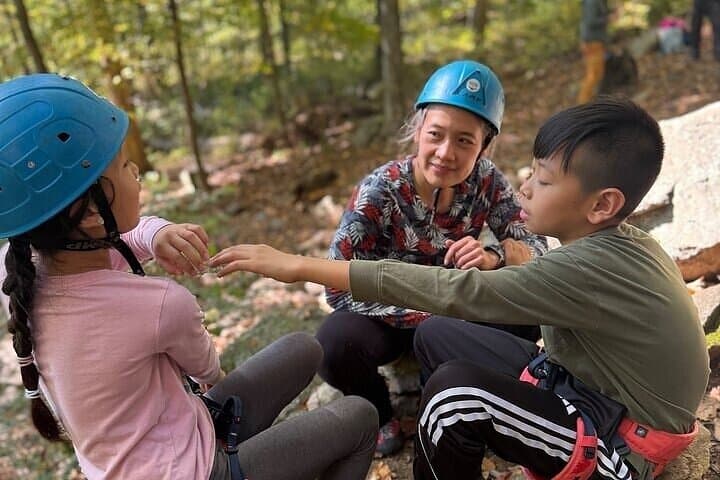
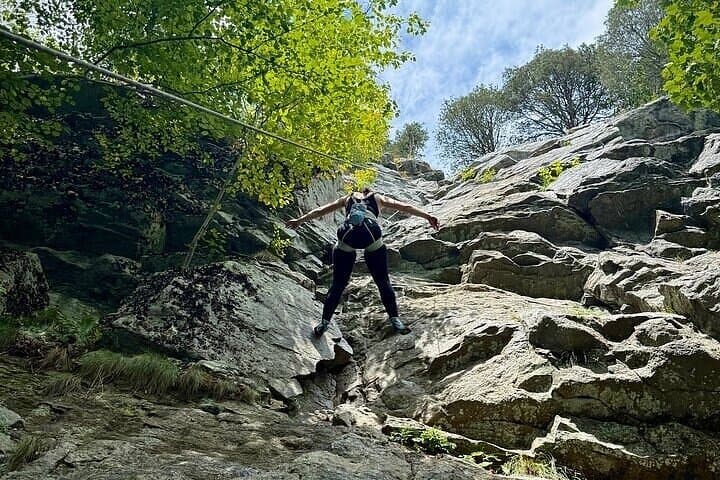
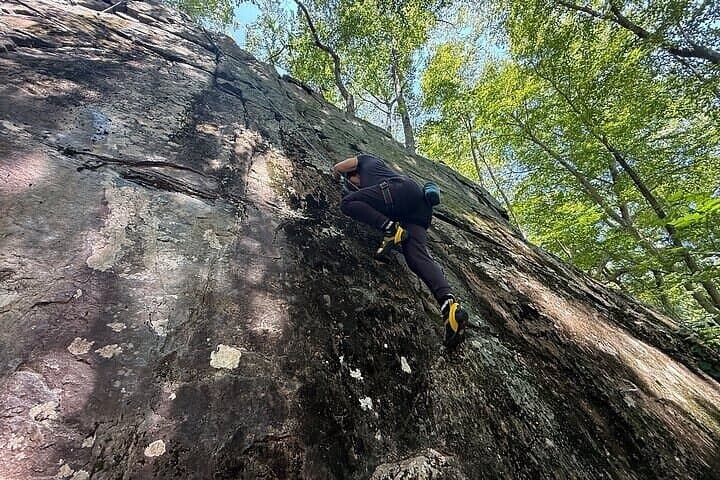
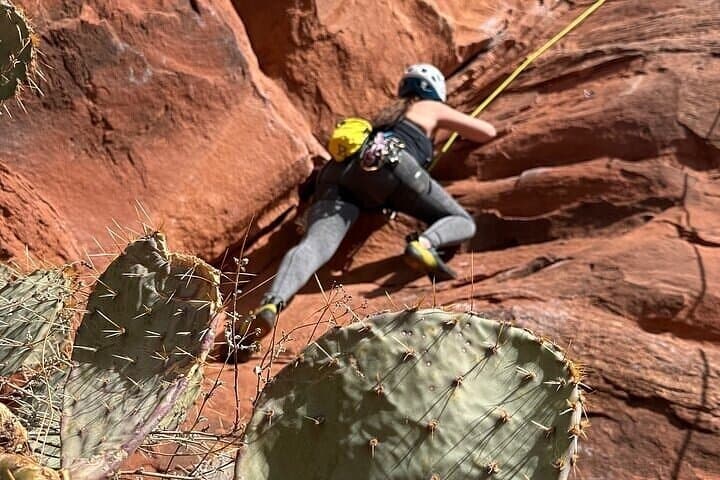
You arrive at a low, sun-warmed crag outside Stanhope where the schist and sandstone faces rise in short, crisp pitches. The rock has edges and pockets that reward straightforward technique more than brute force; the slabby sections test balance while small overhangs invite careful footwork. Instructors meet you with harnesses and helmets, map out routes, and set a rhythm: knot practice, belay checks, then hands-on climbs.
You arrive at a low, sun-warmed crag outside Stanhope where the schist and sandstone faces rise in short, crisp pitches. The rock has edges and pockets that reward straightforward technique more than brute force; the slabby sections test balance while small overhangs invite careful footwork. Instructors meet you with harnesses and helmets, map out routes, and set a rhythm: knot practice, belay checks, then hands-on climbs.
This stretch of northern New Jersey sits on the Highlands physiographic province — weathered metamorphic rock shaped by ancient mountain-building and glacial scouring. The area’s climbing history is grassroots: local climbers bolting modest routes on accessible outcrops for training and recreation rather than alpine conquest. Cultural ties are informal — expect a supportive, small-group atmosphere where gym climbers learn outdoor etiquette and partners learn to trust each other.
Practical guidance starts with basics: you’ll spend time on knots (figure-eight, clove hitch), partner checks, and top-rope belaying before leading is introduced. Terrain is short pitches (often under 50 feet) with solid stances and variable friction; expect moderate exposure but controlled descents. Bring layered clothing for changeable spring or fall weather, closed-toe approach shoes for the walk-in, and a water bottle that’s easy to access while belaying.
Timing matters — aim for morning starts to beat heat and afternoon thunderstorms. Hydrate, practice communication commands before clipping in, and lean into instruction: this course emphasizes technique, safety, and building confidence to climb beyond the gym.