THE ADVENTURE COLLECTIVE® · Independent discovery and booking for outdoor travel

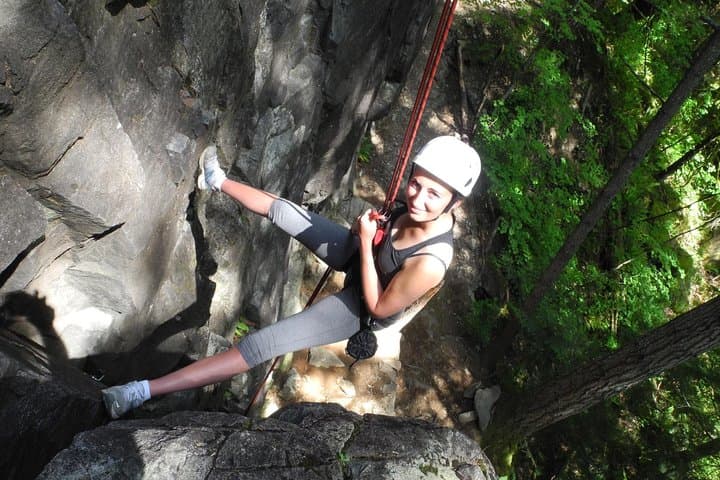
Learn to climb outdoors on Mt. Erie in a full-day, coach-led course that covers knots, belaying, rappelling and movement on real rock. Short approaches and protected top ropes make it an excellent introduction for beginners and a solid progression for indoor climbers.
Learn to climb outdoors on Mt. Erie in a full-day, coach-led course that covers knots, belaying, rappelling and movement on real rock. Short approaches and protected top ropes make it an excellent introduction for beginners and a solid progression for indoor climbers.
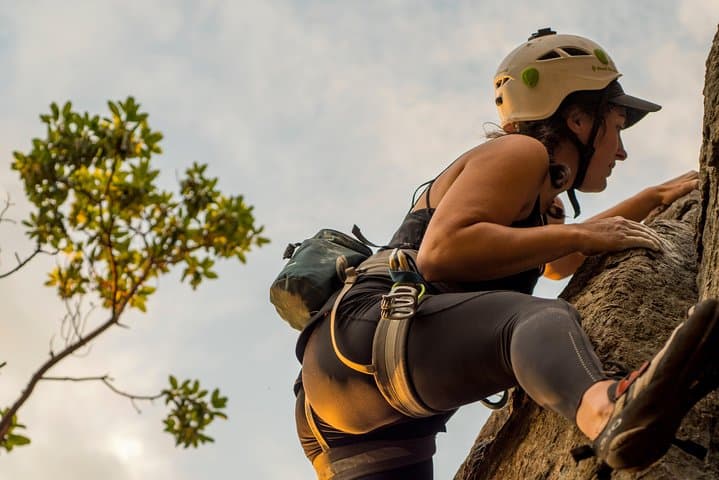
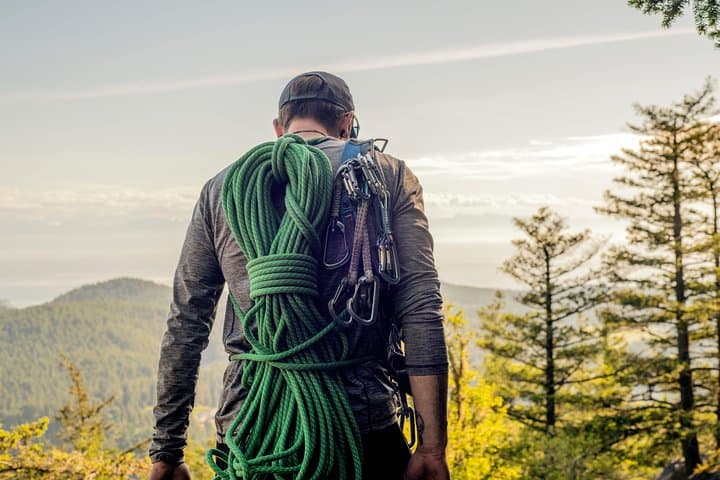
The ridge opens before you as wind pushes up from Skagit Bay and the first holds glint in the morning light. Mt. Erie’s cliffs loom compact and accessible—short approaches, slabby faces and pockets that teach balance more than brute strength. In a single full-day session guides set top ropes, run through knots and belaying drills, then hand the rope over so you can feel the moment a partner’s weight rests in your device.
Verified experiences and guided adventures in the surrounding area.
Operated by AdventureTerra LLC · Anacortes, Washington
The ridge opens before you as wind pushes up from Skagit Bay and the first holds glint in the morning light. Mt. Erie’s cliffs loom compact and accessible—short approaches, slabby faces and pockets that teach balance more than brute strength. In a single full-day session guides set top ropes, run through knots and belaying drills, then hand the rope over so you can feel the moment a partner’s weight rests in your device.
The rock here sits on Fidalgo Island, a landscape shaped by glacial sculpting and a long history of Coast Salish use, early logging and small-scale quarrying. Climbers practice on coastal sandstone and conglomerate outcrops that demand footwork; it’s technical more than vertical. Local climbing culture is instructional and low-key: most routes are short, protected, and ideal for learning safe outdoor movement.
Expect a hands-on progression—knot tying, belay technique, lowering and basic lead concepts for intermediates—framed by views of the Salish Sea. Guides emphasize clean-climbing ethics: leave fixed gear as you find it, minimize chalk, and be conscious of nesting seasons.
Practical notes: dress in breathable layers, shoes with sticky rubber or rent shoes from town, and bring 1–2 liters of water and lunch. Plan for an 8-hour day with variable exposure to wind and sun; start early to avoid afternoon gusts. If rain is forecast the operator will reschedule—these cliff faces don’t cooperate with slippery holds. For a first outdoor day on real rock, Mt. Erie delivers technical learning and immediate, manageable exposure to real route-finding and ropework.
moderate.
8 hours.
Moderate fitness—able to hike short, steep approaches and climb repeatedly over several hours.
No—this course is built for beginners and those with indoor gym experience looking to transition outdoors.
Minimum age is 7–8 years depending on operator requirements; check booking details for exact limits.
The operator cancels or reschedules climbs in wet conditions for safety and offers a full refund or alternative date.
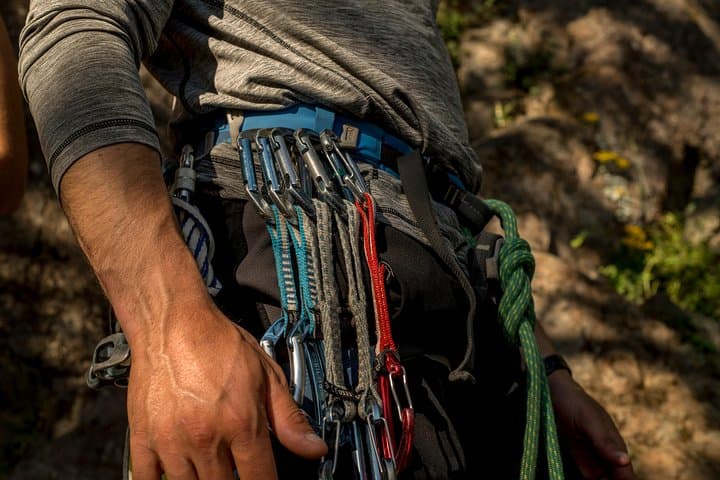
Guides typically provide ropes, helmets and harnesses; bring personal climbing shoes if you have them and confirm rentals when booking.
Mt. Erie sits on Fidalgo Island territory traditionally used by Coast Salish peoples and later shaped by logging and small-scale quarrying in the 19th and 20th centuries.
Practice clean climbing: minimize chalk, avoid new bolting, stay on established approaches and pack out all gear and trash to protect fragile island soils and coastal habitat.
AdventureTerra LLC operates guided outdoor trips and adventures with an emphasis on safety, stewardship, and memorable experiences.
The ridge opens before you as wind pushes up from Skagit Bay and the first holds glint in the morning light. Mt. Erie’s cliffs loom compact and accessible—short approaches, slabby faces and pockets that teach balance more than brute strength. In a single full-day session guides set top ropes, run through knots and belaying drills, then hand the rope over so you can feel the moment a partner’s weight rests in your device.
The ridge opens before you as wind pushes up from Skagit Bay and the first holds glint in the morning light. Mt. Erie’s cliffs loom compact and accessible—short approaches, slabby faces and pockets that teach balance more than brute strength. In a single full-day session guides set top ropes, run through knots and belaying drills, then hand the rope over so you can feel the moment a partner’s weight rests in your device.
The rock here sits on Fidalgo Island, a landscape shaped by glacial sculpting and a long history of Coast Salish use, early logging and small-scale quarrying. Climbers practice on coastal sandstone and conglomerate outcrops that demand footwork; it’s technical more than vertical. Local climbing culture is instructional and low-key: most routes are short, protected, and ideal for learning safe outdoor movement.
Expect a hands-on progression—knot tying, belay technique, lowering and basic lead concepts for intermediates—framed by views of the Salish Sea. Guides emphasize clean-climbing ethics: leave fixed gear as you find it, minimize chalk, and be conscious of nesting seasons.
Practical notes: dress in breathable layers, shoes with sticky rubber or rent shoes from town, and bring 1–2 liters of water and lunch. Plan for an 8-hour day with variable exposure to wind and sun; start early to avoid afternoon gusts. If rain is forecast the operator will reschedule—these cliff faces don’t cooperate with slippery holds. For a first outdoor day on real rock, Mt. Erie delivers technical learning and immediate, manageable exposure to real route-finding and ropework.