THE ADVENTURE COLLECTIVE® · Independent discovery and booking for outdoor travel

Eight days threading Tokyo, Nagoya, the Kiso Valley, and Kyoto—this small-group tour mixes bullet-train speed with slow, cultural stops: temples, sumo, preserved post towns, and Osaka street food. Expect daily walking, heritage sites, and guided local insights.
Eight days threading Tokyo, Nagoya, the Kiso Valley, and Kyoto—this small-group tour mixes bullet-train speed with slow, cultural stops: temples, sumo, preserved post towns, and Osaka street food. Expect daily walking, heritage sites, and guided local insights.
You step from the airport into a flow of people and neon; the air smells of grilled street food and train-clean metal. A local guide greets the group and, within hours, you’re watching the kinetic choreography of Shibuya Crossing and later slipping under the red lantern at Senso-ji as incense curls and the city feels both new and ancient.
Verified experiences and guided adventures in the surrounding area.
Operated by Japan and More · Tokyo, Tokyo
You step from the airport into a flow of people and neon; the air smells of grilled street food and train-clean metal. A local guide greets the group and, within hours, you’re watching the kinetic choreography of Shibuya Crossing and later slipping under the red lantern at Senso-ji as incense curls and the city feels both new and ancient.
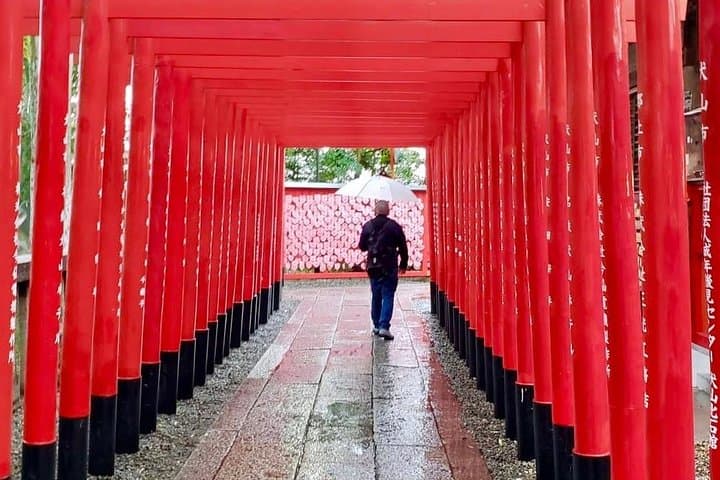
This eight-day loop threads modern Tokyo with historic corridors: Tokyo’s postwar boom and Edo-era roots meet in Asakusa; the shinkansen shrinks distance to Nagoya where Inuyama Castle perches above the Kiso River; the Kiso Valley’s Tsumago preserves the cadence of the Nakasendo trail once trod by samurai and merchants. Kyoto’s wooden hills hold Kiyomizu-dera and the gold leaf of Kinkaku-ji, while Fushimi Inari’s thousand torii gates funnel pilgrims along a cedar-lined climb. Dotonbori in Osaka throws bright, savory chaos at dusk—takoyaki sizzling under flashing signs.
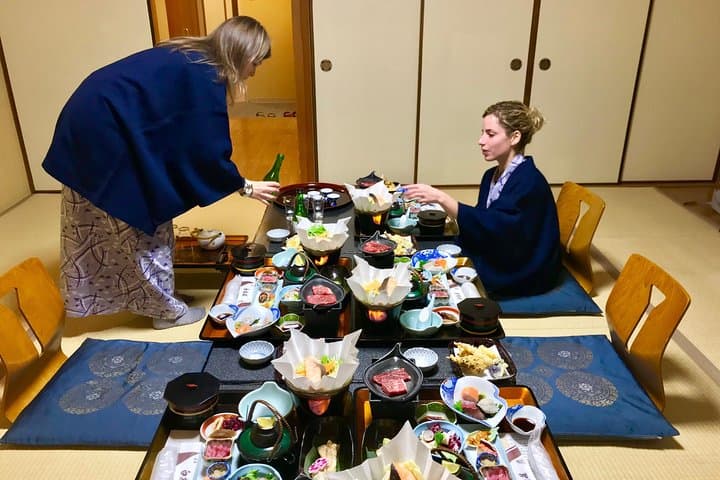
Expect urban walking of 5–8 km daily, frequent stairs at shrines, and short regional rail hops including a bullet train to Nagoya. Accommodations are 4-star city hotels; three dinners and seven breakfasts are included. The itinerary balances guided visits (sumo event, temples, markets) with free time for shopping or small-group choices.
Pack comfortable shoes, a compact umbrella, and a daypack. Have some yen on hand for market vendors; tipping is not customary. Physical fitness should be moderate—able to manage repeated walking, stairs, and public-transport transfers. Travel with curiosity and respect: Japan rewards attention to local rules, punctuality, and simple gestures of gratitude.
moderate.
8 days.
Should be comfortable walking 3–6 miles (5–10 km) per day, climbing stairs, and managing luggage on trains
Plan on 5–8 km per day on average, with stairs at temples and short periods standing during market visits.
The itinerary notes included admissions for certain sites and the bullet train segment to Nagoya; confirm specifics with the operator before booking.
Tipping is not customary—good service is built into prices; a polite thank-you or bow is preferred.
This tour is not recommended for travelers with serious spinal or cardiovascular conditions; consult your doctor before booking.
The Kiso Valley towns were post stations on the Nakasendo during the Edo period, providing a direct link between Edo (Tokyo) and Kyoto; many temples in Kyoto date to centuries-old imperial and shogunate patronage.
High foot traffic at major shrines has prompted crowd controls and defined pathways—stick to trails, pack out trash, and minimize single-use plastics when buying market food.
Japan and More operates guided outdoor trips and adventures with an emphasis on safety, stewardship, and memorable experiences.
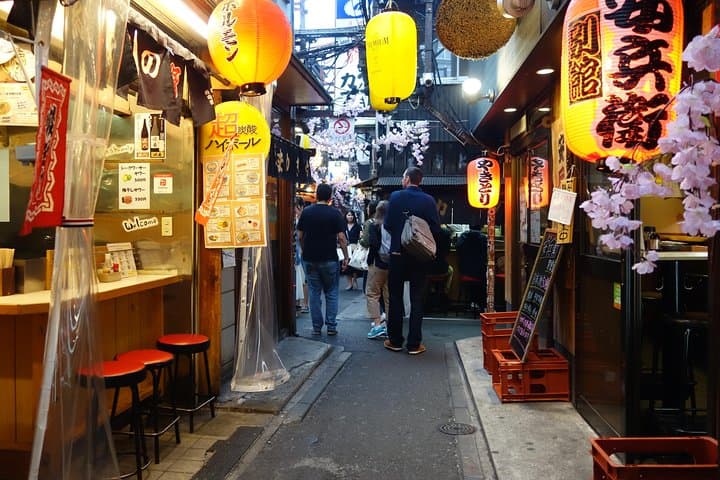
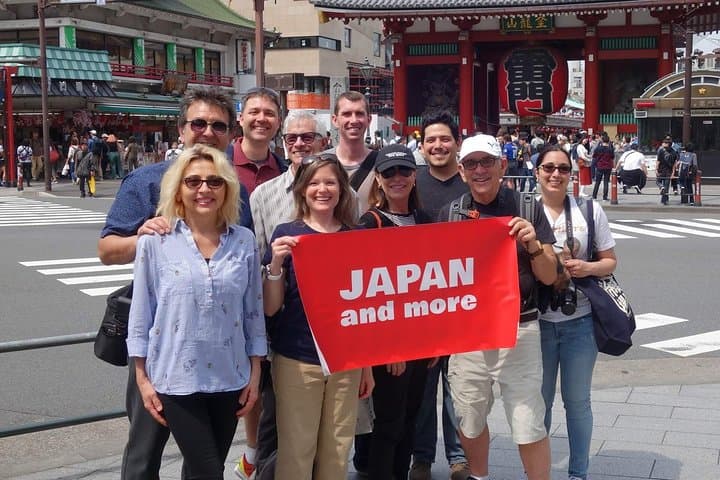
You step from the airport into a flow of people and neon; the air smells of grilled street food and train-clean metal. A local guide greets the group and, within hours, you’re watching the kinetic choreography of Shibuya Crossing and later slipping under the red lantern at Senso-ji as incense curls and the city feels both new and ancient.
You step from the airport into a flow of people and neon; the air smells of grilled street food and train-clean metal. A local guide greets the group and, within hours, you’re watching the kinetic choreography of Shibuya Crossing and later slipping under the red lantern at Senso-ji as incense curls and the city feels both new and ancient.
This eight-day loop threads modern Tokyo with historic corridors: Tokyo’s postwar boom and Edo-era roots meet in Asakusa; the shinkansen shrinks distance to Nagoya where Inuyama Castle perches above the Kiso River; the Kiso Valley’s Tsumago preserves the cadence of the Nakasendo trail once trod by samurai and merchants. Kyoto’s wooden hills hold Kiyomizu-dera and the gold leaf of Kinkaku-ji, while Fushimi Inari’s thousand torii gates funnel pilgrims along a cedar-lined climb. Dotonbori in Osaka throws bright, savory chaos at dusk—takoyaki sizzling under flashing signs.
Expect urban walking of 5–8 km daily, frequent stairs at shrines, and short regional rail hops including a bullet train to Nagoya. Accommodations are 4-star city hotels; three dinners and seven breakfasts are included. The itinerary balances guided visits (sumo event, temples, markets) with free time for shopping or small-group choices.
Pack comfortable shoes, a compact umbrella, and a daypack. Have some yen on hand for market vendors; tipping is not customary. Physical fitness should be moderate—able to manage repeated walking, stairs, and public-transport transfers. Travel with curiosity and respect: Japan rewards attention to local rules, punctuality, and simple gestures of gratitude.