THE ADVENTURE COLLECTIVE® · Independent discovery and booking for outdoor travel

Wade in from Chankanaab’s white sand, learn regulator drills with a bilingual instructor, and descend to the Mesoamerican Reef for an 8–12 m one‑tank introduction. Perfect for first-time divers who want reef life, cave features, and underwater sculptures in a controlled, beginner-friendly setting.
Wade in from Chankanaab’s white sand, learn regulator drills with a bilingual instructor, and descend to the Mesoamerican Reef for an 8–12 m one‑tank introduction. Perfect for first-time divers who want reef life, cave features, and underwater sculptures in a controlled, beginner-friendly setting.
You step off the white sand and into a rim of warm water that seems to pull you forward. The shoreline at Chankanaab Beach Adventure Park is small but purposeful: a staged entry into the Mesoamerican Reef, a broad living wall that dares swimmers and divers to look closer. Within minutes a bilingual instructor fits your mask and walks you through regulator drills; the ocean hushes and the park’s palm-framed bustle fades to a palette of blue.
Verified experiences and guided adventures in the surrounding area.
Operated by Cozumel Tours and Excursions · San Miguel de Cozumel, Quintana Roo
You step off the white sand and into a rim of warm water that seems to pull you forward. The shoreline at Chankanaab Beach Adventure Park is small but purposeful: a staged entry into the Mesoamerican Reef, a broad living wall that dares swimmers and divers to look closer. Within minutes a bilingual instructor fits your mask and walks you through regulator drills; the ocean hushes and the park’s palm-framed bustle fades to a palette of blue.
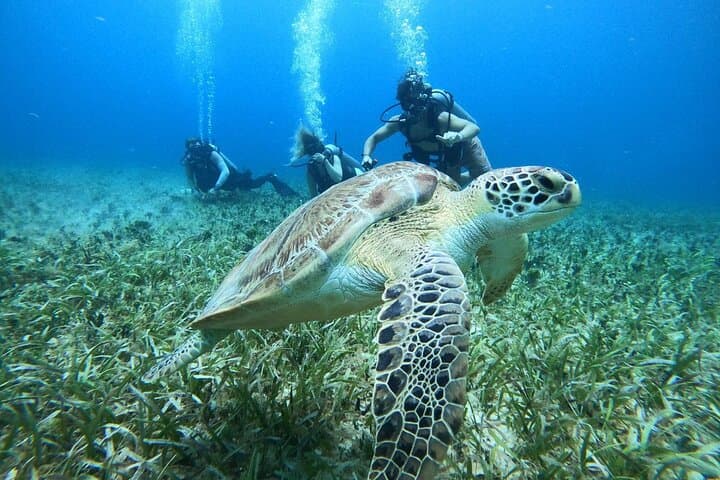
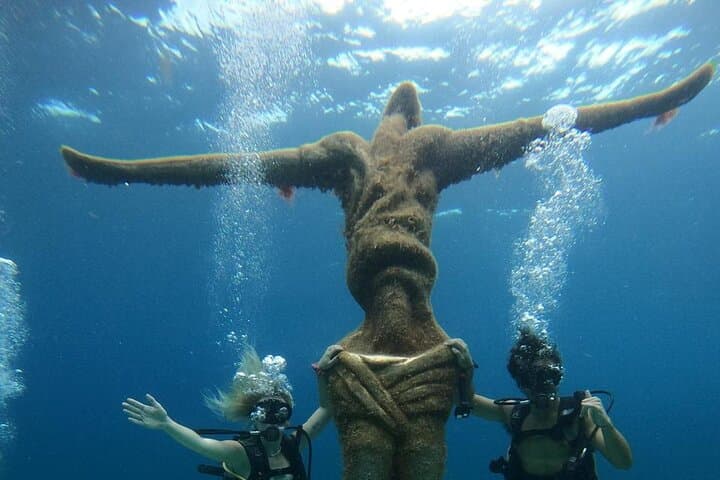
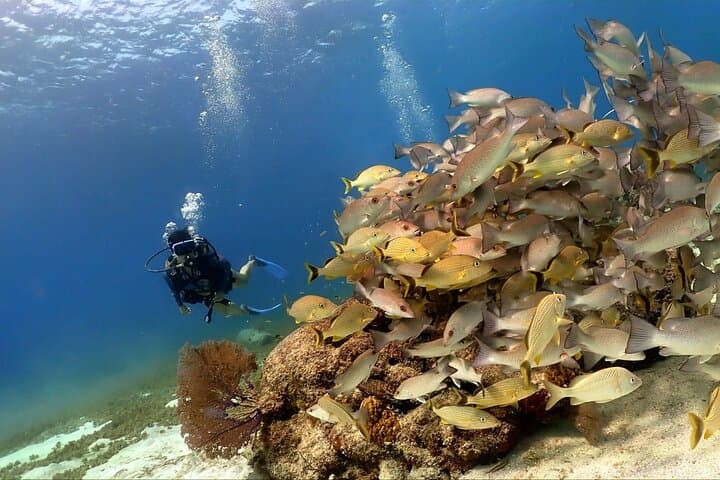
The dive here is as much about context as buoyancy. Chankanaab—meaning “small sea” in the Maya language—sits on the western edge of Cozumel and fronts the second-largest barrier reef in the world. The reef’s limestone foundation and the island’s karst geology create pockets and caverns where currents slow and life concentrates: nurse sharks loaf in ledges, parrotfish nibble exhausted coral, and in the park’s shallows a scatter of intentional underwater sculptures offers a human-made focal point for divers and photographers.
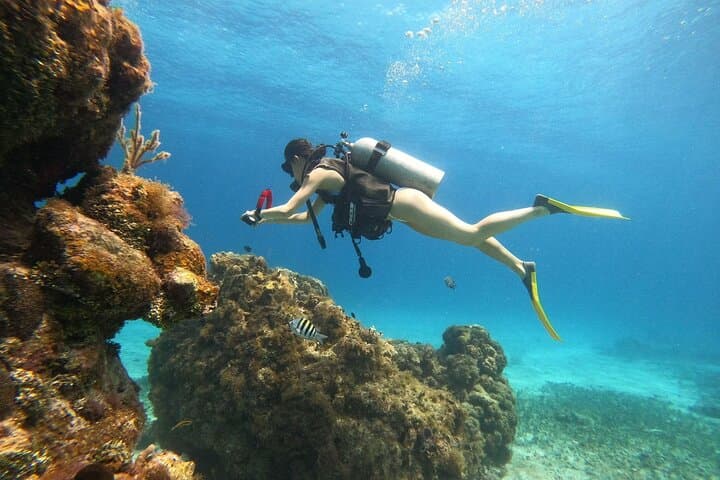
This one-tank introductory dive is organized for people who’ve never gone below the surface. Expect a 20–30 minute pool-style briefing, surface skills practice, then a guided descent to shallow reef and cave features. Typical dive depths run 8–12 meters (25–40 ft) — close enough to watch the reef’s details but deep enough to separate you from the shore’s bustle. Groups are small, the instructor-to-student ratio tight; gear basics and one air tank are provided, and park admission, a free locker and a post-dive drink are included.
Culturally, Chankanaab is a curated gateway: it mixes conservation messaging, a small aquarium outlook, and family-friendly amenities alongside serious reef encounters. The underwater sculptures—installed to encourage coral growth and photography—double as conversation pieces about the fragility of reef systems.
Practical guidance: arrive at the main lobby 10 minutes before your booking and look for MJ’s Dive Shop staff. Bring a swimsuit under casual clothing, a towel, and reef-safe sunscreen. Mornings are calmer and offer the best visibility; if you’re prone to seasickness consider a short-acting medication the night before and the morning of your dive. Tell the booking staff about any medical conditions—this activity is not recommended for those with serious cardiovascular issues or for pregnant travelers.
For first-timers the goal is simple: relax, control your breathing, and let the instructor guide you. Keep buoyancy gentle near coral, frame subjects for photographs with a wide-angle lens or get close with strobes off to avoid startling fish. Afterwards, dry off on the park’s loungers and watch the island’s light shift over a reef that has weathered storms, tourism, and active restoration efforts. It’s a compact, controlled introduction to Caribbean diving that leaves you more curious than spent—and ready for the reef again.
moderate.
2 hours.
You should be comfortable in the water and able to swim short distances; basic cardiovascular fitness helps for surface swims and equipment handling.
No certification is required—this is an introductory one‑tank dive with a certified instructor who provides full briefing and guided in‑water assistance.
Typical depths for this program are shallow, around 8–12 meters (25–40 ft), suitable for beginners and ideal for observing reef life and cave features.
Park admission, one air tank, a certified bilingual instructor, one free locker per booking, and a post‑dive drink are included.
Chankanaab Park reports wheelchair accessibility for public areas and surfaces; inform staff of any special needs when booking.
For a full refund cancel at least 24 hours before the scheduled time; tours may be canceled for bad weather.
Bring a swimsuit, towel, reef‑safe sunscreen, your ID/booking confirmation, and any prescription medications; instructors supply dive gear and one air tank.
Chankanaab takes its name from the Maya phrase for “small sea” and sits on Cozumel’s karst limestone shelf; the park blends cultural exhibits with access to a reef that has been valuable to local fishermen for centuries.
The park enforces no‑touch and no‑take rules and encourages reef‑safe sunscreen; its installations are designed to support coral recruitment and minimize visitor impact.
Cozumel Tours and Excursions operates guided outdoor trips and adventures with an emphasis on safety, stewardship, and memorable experiences.
You step off the white sand and into a rim of warm water that seems to pull you forward. The shoreline at Chankanaab Beach Adventure Park is small but purposeful: a staged entry into the Mesoamerican Reef, a broad living wall that dares swimmers and divers to look closer. Within minutes a bilingual instructor fits your mask and walks you through regulator drills; the ocean hushes and the park’s palm-framed bustle fades to a palette of blue.
You step off the white sand and into a rim of warm water that seems to pull you forward. The shoreline at Chankanaab Beach Adventure Park is small but purposeful: a staged entry into the Mesoamerican Reef, a broad living wall that dares swimmers and divers to look closer. Within minutes a bilingual instructor fits your mask and walks you through regulator drills; the ocean hushes and the park’s palm-framed bustle fades to a palette of blue.
The dive here is as much about context as buoyancy. Chankanaab—meaning “small sea” in the Maya language—sits on the western edge of Cozumel and fronts the second-largest barrier reef in the world. The reef’s limestone foundation and the island’s karst geology create pockets and caverns where currents slow and life concentrates: nurse sharks loaf in ledges, parrotfish nibble exhausted coral, and in the park’s shallows a scatter of intentional underwater sculptures offers a human-made focal point for divers and photographers.
This one-tank introductory dive is organized for people who’ve never gone below the surface. Expect a 20–30 minute pool-style briefing, surface skills practice, then a guided descent to shallow reef and cave features. Typical dive depths run 8–12 meters (25–40 ft) — close enough to watch the reef’s details but deep enough to separate you from the shore’s bustle. Groups are small, the instructor-to-student ratio tight; gear basics and one air tank are provided, and park admission, a free locker and a post-dive drink are included.
Culturally, Chankanaab is a curated gateway: it mixes conservation messaging, a small aquarium outlook, and family-friendly amenities alongside serious reef encounters. The underwater sculptures—installed to encourage coral growth and photography—double as conversation pieces about the fragility of reef systems.
Practical guidance: arrive at the main lobby 10 minutes before your booking and look for MJ’s Dive Shop staff. Bring a swimsuit under casual clothing, a towel, and reef-safe sunscreen. Mornings are calmer and offer the best visibility; if you’re prone to seasickness consider a short-acting medication the night before and the morning of your dive. Tell the booking staff about any medical conditions—this activity is not recommended for those with serious cardiovascular issues or for pregnant travelers.
For first-timers the goal is simple: relax, control your breathing, and let the instructor guide you. Keep buoyancy gentle near coral, frame subjects for photographs with a wide-angle lens or get close with strobes off to avoid startling fish. Afterwards, dry off on the park’s loungers and watch the island’s light shift over a reef that has weathered storms, tourism, and active restoration efforts. It’s a compact, controlled introduction to Caribbean diving that leaves you more curious than spent—and ready for the reef again.