THE ADVENTURE COLLECTIVE® · Independent discovery and booking for outdoor travel

Spend five days moving between river channels, Anavilhanas islands and a jungle hammock camp while learning river ecology and local Tatuyo traditions. This multi‑day trip blends wildlife viewing, night caiman searches and community visits with comfortable lodge nights.
Spend five days moving between river channels, Anavilhanas islands and a jungle hammock camp while learning river ecology and local Tatuyo traditions. This multi‑day trip blends wildlife viewing, night caiman searches and community visits with comfortable lodge nights.
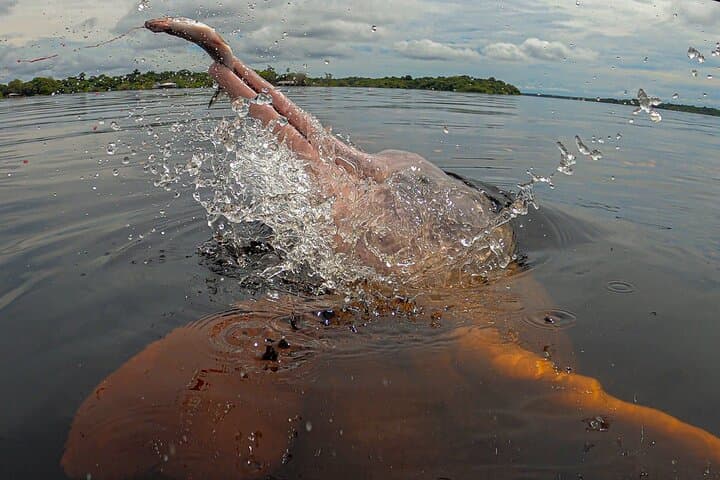
Thick dark water slips past the motor as the speedboat cuts upriver toward a band of low forest and braided islands. Birds call from emergent trees, and the river smells of tannin and wet soil; the lodge’s low wooden docks and palm roofs appear like a human punctuation amid the green.
Verified experiences and guided adventures in the surrounding area.
Operated by Joshua's Amazon Expeditions · Novo Airão, Amazonas
Thick dark water slips past the motor as the speedboat cuts upriver toward a band of low forest and braided islands. Birds call from emergent trees, and the river smells of tannin and wet soil; the lodge’s low wooden docks and palm roofs appear like a human punctuation amid the green.
The Tapiri Rio Negro area sits on the blackwater reaches of the Rio Negro and the Anavilhanas archipelago, a fluvial maze carved by seasonal floods and decades of sediment flow. Indigenous Tatuyo and riverine communities still fish, harvest açaí and craft by hand; guides interpret medicinal plants, river ecology and the cultural rituals you’ll witness during a village welcome dance.
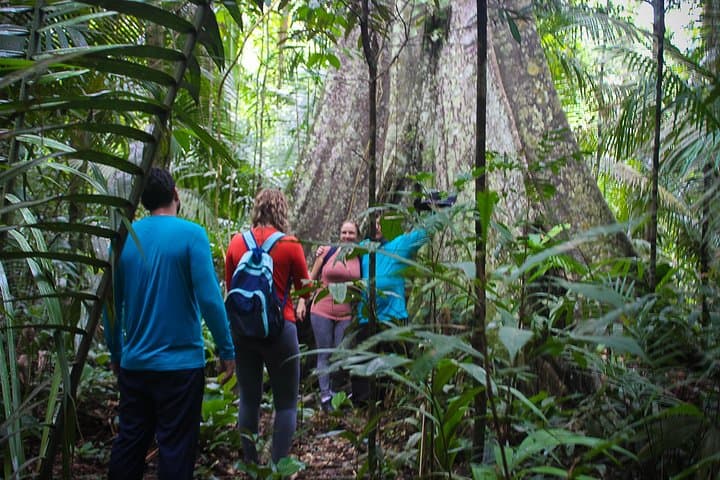
Expect days of paddled canals, short jungle treks over root-fingered soil, piranha fishing at dusk and nocturnal caiman searches with guides. Accommodations alternate between air‑conditioned private cabins at the lodge and a one‑night hammock camp in the forest. Physical demands are moderate: repeated boat transfers, steps up and down riverbanks, and humidity that makes every breath feel warmer.
Practical advice: pack a lightweight rain jacket and breathable layers, high-traction footwear that dries quickly, and generous insect protection; bring a headlamp, water bottle and a waterproof dry bag for electronics. Schedule four to five days to arrive and return via Manaus, and time your trip for the dry season (roughly July–December) if you want more beaches and walkable trails. Respect local guides, avoid single-use plastics, and keep a quiet profile when watching dolphins and caiman to preserve wildlife behavior carefully.
moderate.
4–5 days.
Moderate fitness; comfortable with multiple boat transfers, 2–4 hour jungle walks, and climbing wet riverbanks
Pickup is arranged from Manaus; travel includes a speedboat transfer upriver with stops at the Meeting of the Waters and local villages before reaching the Tapiri area.
One night is spent in hammocks with mosquito nets; it’s basic but guided and safe — expect open‑fire meals and minimal facilities.
Yes during the dry season there are sandbars and beaches suitable for swimming; follow guide instructions and avoid swimming at night.
There are no universal vaccine requirements, but yellow fever vaccination is strongly recommended and travelers should consult a travel clinic for current advice.
Riverine communities and Tatuyo indigenous groups have lived along the Rio Negro for generations, relying on seasonal floods, fishing and açaí harvests.
Anavilhanas and surrounding protected areas rely on low‑impact ecotourism; visitors are asked to minimize plastics, follow guide directions and avoid disturbing wildlife.
Joshua's Amazon Expeditions operates guided outdoor trips and adventures with an emphasis on safety, stewardship, and memorable experiences.
Thick dark water slips past the motor as the speedboat cuts upriver toward a band of low forest and braided islands. Birds call from emergent trees, and the river smells of tannin and wet soil; the lodge’s low wooden docks and palm roofs appear like a human punctuation amid the green.
Thick dark water slips past the motor as the speedboat cuts upriver toward a band of low forest and braided islands. Birds call from emergent trees, and the river smells of tannin and wet soil; the lodge’s low wooden docks and palm roofs appear like a human punctuation amid the green.
The Tapiri Rio Negro area sits on the blackwater reaches of the Rio Negro and the Anavilhanas archipelago, a fluvial maze carved by seasonal floods and decades of sediment flow. Indigenous Tatuyo and riverine communities still fish, harvest açaí and craft by hand; guides interpret medicinal plants, river ecology and the cultural rituals you’ll witness during a village welcome dance.
Expect days of paddled canals, short jungle treks over root-fingered soil, piranha fishing at dusk and nocturnal caiman searches with guides. Accommodations alternate between air‑conditioned private cabins at the lodge and a one‑night hammock camp in the forest. Physical demands are moderate: repeated boat transfers, steps up and down riverbanks, and humidity that makes every breath feel warmer.
Practical advice: pack a lightweight rain jacket and breathable layers, high-traction footwear that dries quickly, and generous insect protection; bring a headlamp, water bottle and a waterproof dry bag for electronics. Schedule four to five days to arrive and return via Manaus, and time your trip for the dry season (roughly July–December) if you want more beaches and walkable trails. Respect local guides, avoid single-use plastics, and keep a quiet profile when watching dolphins and caiman to preserve wildlife behavior carefully.