THE ADVENTURE COLLECTIVE® · Independent discovery and booking for outdoor travel

Step aboard a small, custom-built vessel from Circular Quay for a close, informative encounter with migrating humpback whales. Expect 2–3 hours of guided narration, open-ocean viewing beyond the Heads, and a whale-sighting guarantee.
Step aboard a small, custom-built vessel from Circular Quay for a close, informative encounter with migrating humpback whales. Expect 2–3 hours of guided narration, open-ocean viewing beyond the Heads, and a whale-sighting guarantee.
Boarding at Circular Quay, the small custom-built vessel slips past the Opera House and under the Harbour Bridge, salt spray on the rail and the city receding into a rim of sandstone cliffs. Guests stand close to the waterline: the design prioritizes unobstructed viewing so every eye gets a clear line to the sea. As the boat threads out past South Head, the Tasman Sea opens and the swell begins to carry a different rhythm — the ocean that the humpbacks answer during migration.
Verified experiences and guided adventures in the surrounding area.
Operated by Whale Tales · Sydney, New South Wales
Boarding at Circular Quay, the small custom-built vessel slips past the Opera House and under the Harbour Bridge, salt spray on the rail and the city receding into a rim of sandstone cliffs. Guests stand close to the waterline: the design prioritizes unobstructed viewing so every eye gets a clear line to the sea. As the boat threads out past South Head, the Tasman Sea opens and the swell begins to carry a different rhythm — the ocean that the humpbacks answer during migration.
The voyage moves through layers of history: Gadigal country before colonial anchorage, the colonial era that reshaped the shoreline, and the modern sailing culture that now defines Sydney Harbour. Geologically, the route passes broken sandstone headlands carved by wind and wave; further out, the continental shelf shapes where whales travel and feed. The crew narrates migration patterns, calling attention to blows, tail slaps and the slow intelligence of humpbacks that seem to challenge the water itself.
Practical guidance is straightforward. Trips typically last about 2–3 hours and head beyond the Heads into open water; expect rolling seas and variable weather. Wear warm, windproof layers and non-slip shoes, bring binoculars and a camera with a zoom, and consider motion-sickness medication if you’re prone to seasickness. The operator runs small-group departures with a whale-sighting guarantee and is stroller- and service-animal-friendly; public transport to the departure point is convenient. Arrive 20–30 minutes early for boarding and listen to safety briefings. With preparedness, this intimate coastal encounter balances spectacle and stewardship, offering a close look at migrating giants while keeping disturbance to marine life low.
easy.
2–3 hours.
Suitable for most fitness levels; requires ability to board a small boat and stand for periods.
The excursion runs about 2–3 hours including transit time from Circular Quay to prime whale-watching waters.
Operators offer a whale-sighting guarantee and run trips during the humpback migration; sightings are common but never guaranteed by nature.
The vessel allows strollers and service animals and has basic accessibility, but boarding requires navigating a small gangway—check with the operator for specific mobility needs.
Bring a camera with a telephoto lens or a good zoom, fast shutter settings, and a waterproof case or cover for spray protection.
Sydney Harbour has been a maritime hub for millennia for the Gadigal people and later served as the focal point of British colonial settlement from 1788 onward.
Operators follow guidelines to minimize disturbance to whales, keeping distance and using experienced observers; support local groups that monitor marine health and report sightings.
Whale Tales operates guided outdoor trips and adventures with an emphasis on safety, stewardship, and memorable experiences.
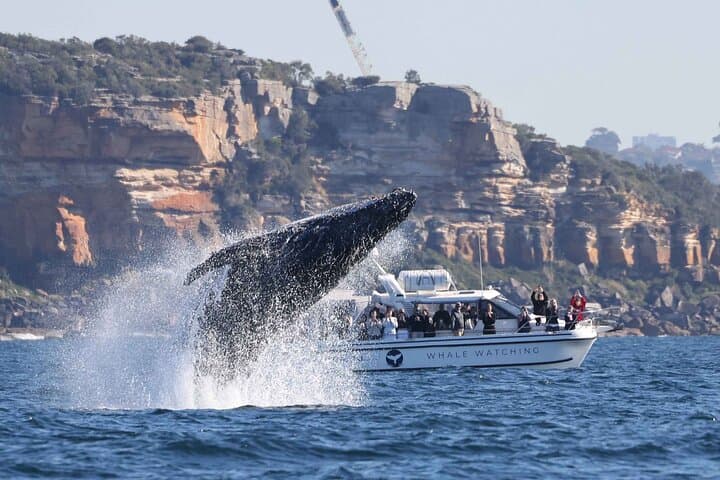
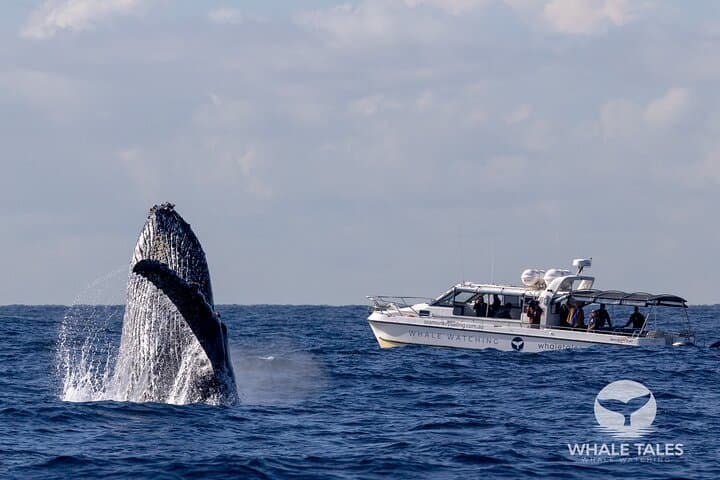
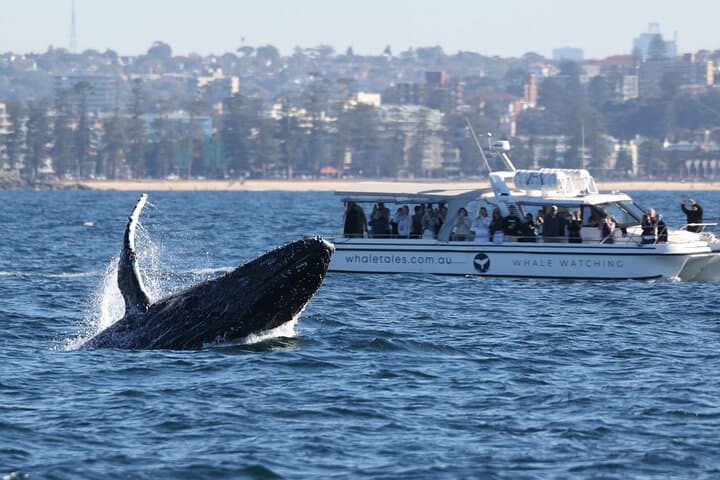
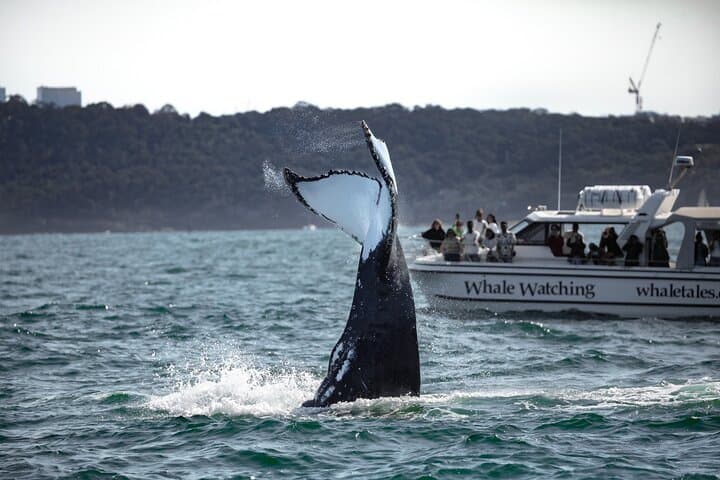
Boarding at Circular Quay, the small custom-built vessel slips past the Opera House and under the Harbour Bridge, salt spray on the rail and the city receding into a rim of sandstone cliffs. Guests stand close to the waterline: the design prioritizes unobstructed viewing so every eye gets a clear line to the sea. As the boat threads out past South Head, the Tasman Sea opens and the swell begins to carry a different rhythm — the ocean that the humpbacks answer during migration.
Boarding at Circular Quay, the small custom-built vessel slips past the Opera House and under the Harbour Bridge, salt spray on the rail and the city receding into a rim of sandstone cliffs. Guests stand close to the waterline: the design prioritizes unobstructed viewing so every eye gets a clear line to the sea. As the boat threads out past South Head, the Tasman Sea opens and the swell begins to carry a different rhythm — the ocean that the humpbacks answer during migration.
The voyage moves through layers of history: Gadigal country before colonial anchorage, the colonial era that reshaped the shoreline, and the modern sailing culture that now defines Sydney Harbour. Geologically, the route passes broken sandstone headlands carved by wind and wave; further out, the continental shelf shapes where whales travel and feed. The crew narrates migration patterns, calling attention to blows, tail slaps and the slow intelligence of humpbacks that seem to challenge the water itself.
Practical guidance is straightforward. Trips typically last about 2–3 hours and head beyond the Heads into open water; expect rolling seas and variable weather. Wear warm, windproof layers and non-slip shoes, bring binoculars and a camera with a zoom, and consider motion-sickness medication if you’re prone to seasickness. The operator runs small-group departures with a whale-sighting guarantee and is stroller- and service-animal-friendly; public transport to the departure point is convenient. Arrive 20–30 minutes early for boarding and listen to safety briefings. With preparedness, this intimate coastal encounter balances spectacle and stewardship, offering a close look at migrating giants while keeping disturbance to marine life low.