THE ADVENTURE COLLECTIVE® · Independent discovery and booking for outdoor travel

A close-listening salon in a working NYC rehearsal studio where singer-songwriter Ernie Savage performs classic and forgotten ballads. Expect stories between songs, a raw setting, and seating within feet of the piano.
A close-listening salon in a working NYC rehearsal studio where singer-songwriter Ernie Savage performs classic and forgotten ballads. Expect stories between songs, a raw setting, and seating within feet of the piano.
The lights dim to a soft amber and the piano’s first note fills a rehearsal room that smells faintly of wood and old scores. You’re seated within feet of the instrument; the singer leans in, telling the story behind a song before the melody slides into the room like a secret handed between friends.
Verified experiences and guided adventures in the surrounding area.
The lights dim to a soft amber and the piano’s first note fills a rehearsal room that smells faintly of wood and old scores. You’re seated within feet of the instrument; the singer leans in, telling the story behind a song before the melody slides into the room like a secret handed between friends.
This intimate salon-style show traces lines back to New York’s songwriting hubs—Tin Pan Alley and the Brill Building—where composers and lyricists shaped popular music through tight collaboration and late-night demos. The venue’s raw rehearsal-room aesthetic is part of the point: you hear the work in progress and the human breath behind each ballad rather than an overproduced set.
Expect a close-listening atmosphere, conversational storytelling between numbers, and a setlist of both familiar standards and lesser-known songs from iconic writers. The building itself sits on Manhattan’s dense bedrock of culture; concrete streets and subway hum frame the performance more than natural scenery, but the city’s energy pushes the show forward.
Practical notes: the concert runs about 80 minutes with limited intermission; seating is intimate and often fixed, so arrive early to get settled. Public transit is the easiest arrival option—parking is scarce. Photography may be restricted to preserve the listening environment; check the organizer’s policies.
For planning, bring a light layer for cool rehearsal rooms, silence phones, and budget time to linger afterward at a nearby late-night piano bar or record shop. This is a close-up music experience built for listeners who want context with every chorus.
easy.
1–1.5 hours.
Minimal physical fitness required—mostly standing or seated; able to walk short distances from transit.
The performance runs about 80 minutes with little or no intermission—plan for around 1–1.5 hours total including seating time.
Many intimate listening rooms restrict photography to protect the experience; check the event page or ask staff on arrival and avoid flash if permitted.
Accessibility varies by rehearsal studio; contact the organizer in advance to confirm wheelchair access and any accommodations needed.
Shows often sell out due to limited seating—buy tickets in advance online when possible to guarantee entry.
The show’s format echoes New York’s mid-20th-century songwriting scene, where composers and lyricists worked in close quarters in Midtown studios and office buildings.
Choose public transit and reusable items to reduce waste; small venues benefit from reduced single-use plastics and mindful audience behavior.
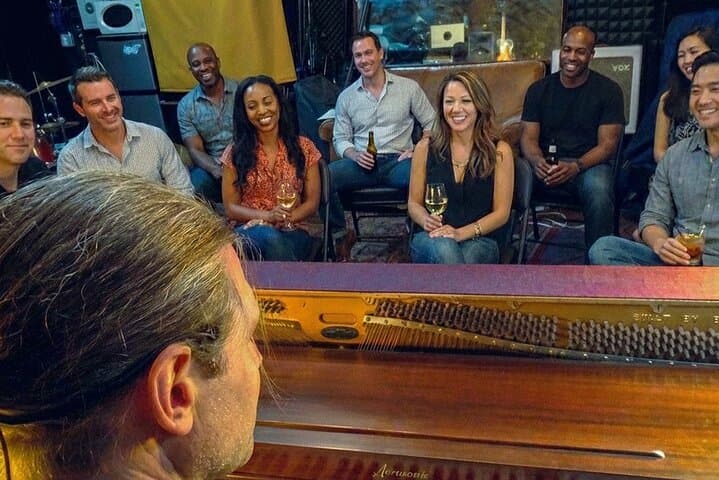
The lights dim to a soft amber and the piano’s first note fills a rehearsal room that smells faintly of wood and old scores. You’re seated within feet of the instrument; the singer leans in, telling the story behind a song before the melody slides into the room like a secret handed between friends.
The lights dim to a soft amber and the piano’s first note fills a rehearsal room that smells faintly of wood and old scores. You’re seated within feet of the instrument; the singer leans in, telling the story behind a song before the melody slides into the room like a secret handed between friends.
This intimate salon-style show traces lines back to New York’s songwriting hubs—Tin Pan Alley and the Brill Building—where composers and lyricists shaped popular music through tight collaboration and late-night demos. The venue’s raw rehearsal-room aesthetic is part of the point: you hear the work in progress and the human breath behind each ballad rather than an overproduced set.
Expect a close-listening atmosphere, conversational storytelling between numbers, and a setlist of both familiar standards and lesser-known songs from iconic writers. The building itself sits on Manhattan’s dense bedrock of culture; concrete streets and subway hum frame the performance more than natural scenery, but the city’s energy pushes the show forward.
Practical notes: the concert runs about 80 minutes with limited intermission; seating is intimate and often fixed, so arrive early to get settled. Public transit is the easiest arrival option—parking is scarce. Photography may be restricted to preserve the listening environment; check the organizer’s policies.
For planning, bring a light layer for cool rehearsal rooms, silence phones, and budget time to linger afterward at a nearby late-night piano bar or record shop. This is a close-up music experience built for listeners who want context with every chorus.