THE ADVENTURE COLLECTIVE® · Independent discovery and booking for outdoor travel

Spend a focused day scaling single-pitch crags outside Pipersville with a guide who tailors instruction to your gaps—anchors, knots and movement. Expect hands-on drills, real-world anchor work and goal-driven progress over a six-hour course.
Spend a focused day scaling single-pitch crags outside Pipersville with a guide who tailors instruction to your gaps—anchors, knots and movement. Expect hands-on drills, real-world anchor work and goal-driven progress over a six-hour course.
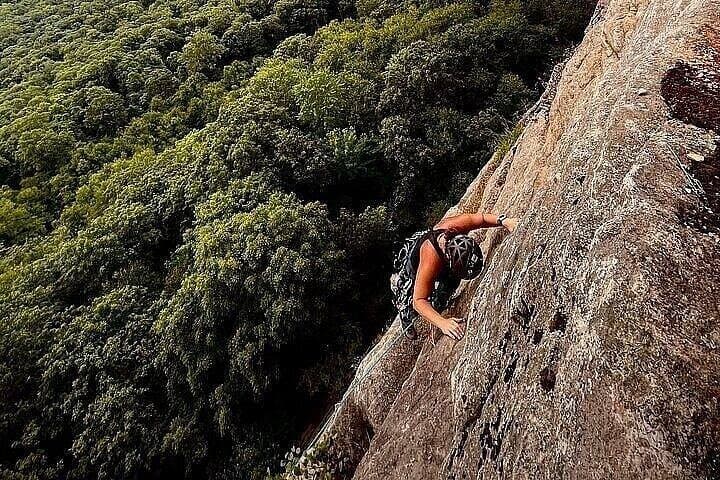
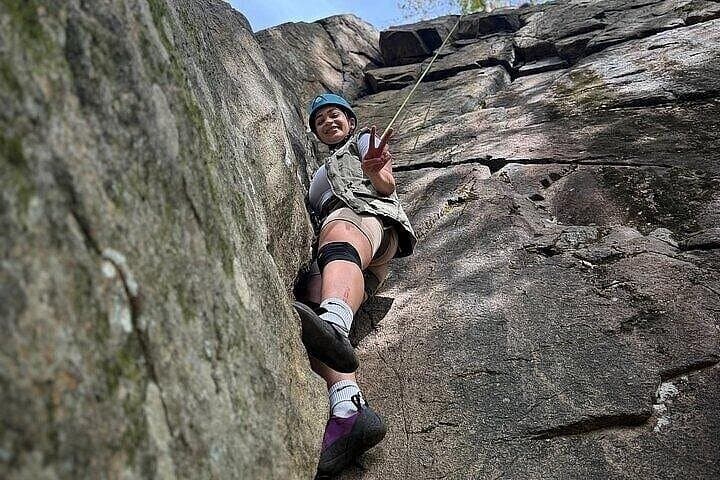
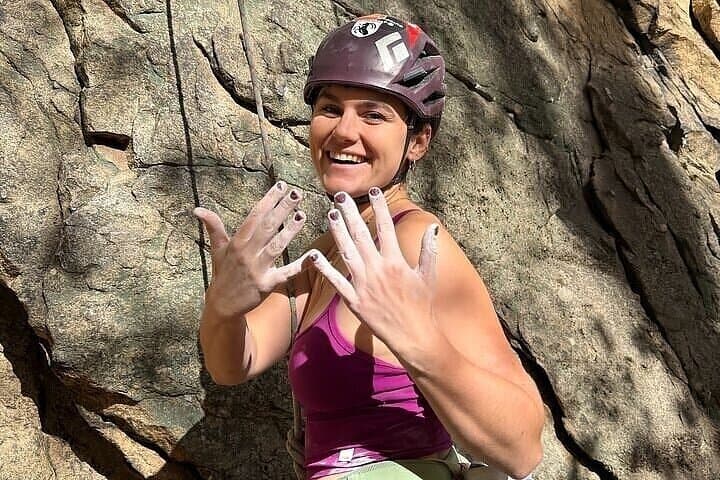
The morning air in Pipersville tastes faintly of crushed shale and pine as climbers gather beneath a sunlit crag, laces double-knotted and helmets gleaming. You can hear ropes whispering through carabiners and instructors calling concise beta; the rock waits, indifferent and exacting, testing balance and movement.
Verified experiences and guided adventures in the surrounding area.
Operated by Stay Rad Climbing Guides · Pipersville, Pennsylvania
The morning air in Pipersville tastes faintly of crushed shale and pine as climbers gather beneath a sunlit crag, laces double-knotted and helmets gleaming. You can hear ropes whispering through carabiners and instructors calling concise beta; the rock waits, indifferent and exacting, testing balance and movement.
Bucks County’s cliffs are part of the wider Appalachian foothills—sandstone, shale and occasional diabase make up crags that attract local climbers used to single-pitch routes and pocketed faces. The area’s climbing culture grew from quarrying and weekend road trips to nearby New Jersey and the Lehigh Valley; today, small guide services focus on skills progression and safe transition from gym to crag.
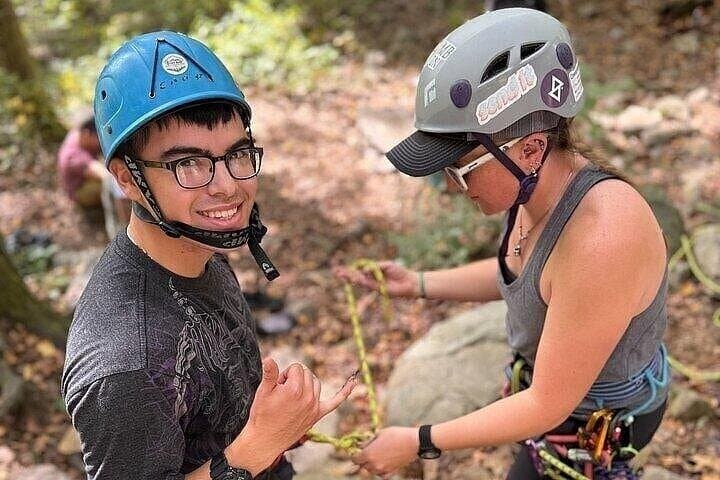
This intermediate course centers on real-world anchors, knot work, efficient footwork and route reading over roughly six hours of guided practice. Expect hands-on time building trad- and top-rope anchors, practicing belay techniques, and drilling movement to reduce fatigue on steeper steps. Instruction is student-specific: coaches tailor drills to your weaknesses and goals rather than following a fixed syllabus.
Practically, arrive with comfortable, broken-in shoes, a well-fitted harness and basic belay familiarity. Weather can shift quickly—layering matters—and rock is slick after rain; guides will cancel if conditions are unsafe. Bring water, snacks, sunscreen and a small first-aid kit. For climbers stepping out from indoor gyms, prioritize practicing knots and belays beforehand to maximize time on the rock.
By day’s end you’ll have refined systems for anchors and movement, a clearer pathway to independent outdoor climbing, and a grounded appreciation for the region’s modest but demanding crags.
moderate.
6 hours.
Moderate — should be comfortable with continuous moderate exertion and some exposure to heights
You should have basic climbing familiarity—comfort with gym belaying or single-pitch outdoor experience makes the course more productive, but instructors adapt to individual levels.
Guides typically supply harness, helmet and shoes if needed, but bringing well-broken-in personal shoes and a preferred harness is recommended.
Shared groups are capped (up to about 12); instruction often breaks into smaller skill groups to maintain high coach-to-student interaction.
Courses may be canceled or rescheduled for rain, wet rock or lightning; check with the operator for their 24-hour cancellation policy.
The crags sit on folded Appalachian foothills where 300–400 million-year-old sedimentary layers meet later igneous intrusions; local rock use grew from small-scale quarrying and farming roads that exposed climbable faces.
Stick to established approaches, pack out chalk and trash, and follow Leave No Trace principles; many access points cross private land where good relations depend on minimal impact.
Stay Rad Climbing Guides operates guided outdoor trips and adventures with an emphasis on safety, stewardship, and memorable experiences.
The morning air in Pipersville tastes faintly of crushed shale and pine as climbers gather beneath a sunlit crag, laces double-knotted and helmets gleaming. You can hear ropes whispering through carabiners and instructors calling concise beta; the rock waits, indifferent and exacting, testing balance and movement.
The morning air in Pipersville tastes faintly of crushed shale and pine as climbers gather beneath a sunlit crag, laces double-knotted and helmets gleaming. You can hear ropes whispering through carabiners and instructors calling concise beta; the rock waits, indifferent and exacting, testing balance and movement.
Bucks County’s cliffs are part of the wider Appalachian foothills—sandstone, shale and occasional diabase make up crags that attract local climbers used to single-pitch routes and pocketed faces. The area’s climbing culture grew from quarrying and weekend road trips to nearby New Jersey and the Lehigh Valley; today, small guide services focus on skills progression and safe transition from gym to crag.
This intermediate course centers on real-world anchors, knot work, efficient footwork and route reading over roughly six hours of guided practice. Expect hands-on time building trad- and top-rope anchors, practicing belay techniques, and drilling movement to reduce fatigue on steeper steps. Instruction is student-specific: coaches tailor drills to your weaknesses and goals rather than following a fixed syllabus.
Practically, arrive with comfortable, broken-in shoes, a well-fitted harness and basic belay familiarity. Weather can shift quickly—layering matters—and rock is slick after rain; guides will cancel if conditions are unsafe. Bring water, snacks, sunscreen and a small first-aid kit. For climbers stepping out from indoor gyms, prioritize practicing knots and belays beforehand to maximize time on the rock.
By day’s end you’ll have refined systems for anchors and movement, a clearer pathway to independent outdoor climbing, and a grounded appreciation for the region’s modest but demanding crags.