THE ADVENTURE COLLECTIVE® · Independent discovery and booking for outdoor travel

Sharpen anchors, refine footwork, and move toward independent outdoor climbing in a private, guide-led intermediate course at the Delaware Water Gap. Expect hands-on instruction in anchors, rope management, and optional multi-pitch skills on 30–150 ft crags.
Sharpen anchors, refine footwork, and move toward independent outdoor climbing in a private, guide-led intermediate course at the Delaware Water Gap. Expect hands-on instruction in anchors, rope management, and optional multi-pitch skills on 30–150 ft crags.
You arrive at the base of a sheer face where the river below pushes against the gap and the cliff seems to dare you to climb. Morning light cuts across rough flakes of rock; your rope coils at your feet, and a guide outlines a plan tuned to your current skillset—anchor systems, efficient footwork, or multi-pitch transitions.
Verified experiences and guided adventures in the surrounding area.
Operated by Stay Rad Climbing Guides · Delaware Water Gap, PA
You arrive at the base of a sheer face where the river below pushes against the gap and the cliff seems to dare you to climb. Morning light cuts across rough flakes of rock; your rope coils at your feet, and a guide outlines a plan tuned to your current skillset—anchor systems, efficient footwork, or multi-pitch transitions.
This six-hour, student-centered session takes place in the Delaware Water Gap region, a long-studied corridor where Paleozoic sedimentary layers were folded and uplifted to create steep ridgelines and single-pitch cliffs. The area has a climbing history rooted in local outdoor clubs and early New Jersey–Pennsylvania alpinism; routes here often follow natural seams and ledges carved through sandstone, conglomerate and shale. Local climbing culture emphasizes leave-no-trace ethics and careful anchor-building because the rock is worked but not unlimited.
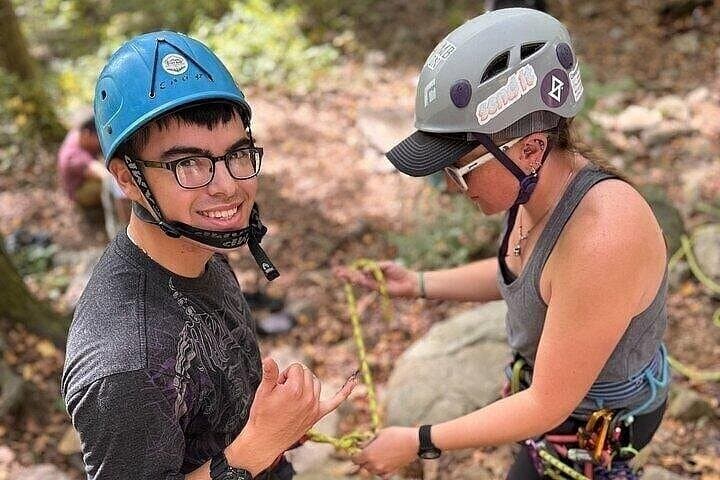
Expect primarily single-pitch routes ranging roughly 30–150 feet with short approaches—most walks are under 30 minutes and involve modest elevation gain (typically under 300 feet). The day is practical: hands-on anchor construction, knot and hitch drills, rope management, and, if requested, moving onto multi-pitch techniques and basic self-rescue.
Plan for a long, active day—start early to avoid heat, bring 2–3 liters of water, small high-calorie snacks, and layered clothing for variable winds in the gap. Sturdy shoes for approach terrain and sticky climbing shoes for the rock are essential; harness, helmet and shoes are provided per the operator. Communicate prior experience when booking so your guide tailors objectives; this is about building autonomy and safe judgment on real rock.
moderate.
6 hours.
Participants should have a moderate level of fitness: ability to hike short, uneven approaches and perform repeated climbing movements for several hours.
The operator lists harness, helmet and climbing shoes as required items and typically provides them; bring personal gear only if you prefer your own fit.
This course is for intermediate climbers with basic outdoor or gym experience—participants should know fundamental knots and belaying before arrival.
Yes—multi-pitch skills, rope management and self-rescue can be covered if requested and if conditions and group progress allow.
The provider cancels for bad weather; you can receive a full refund if you cancel at least 24 hours before the scheduled time per their standard policy.
The Water Gap formed as the Delaware River cut through uplifted Paleozoic rock; climbing has grown from local club trips to organized instruction focused on safety and conservation.
Respect bolting ethics and avoid placing new permanent anchors; practice pack-in/pack-out and follow park regulations to protect fragile ledge vegetation.
Stay Rad Climbing Guides operates guided outdoor trips and adventures with an emphasis on safety, stewardship, and memorable experiences.
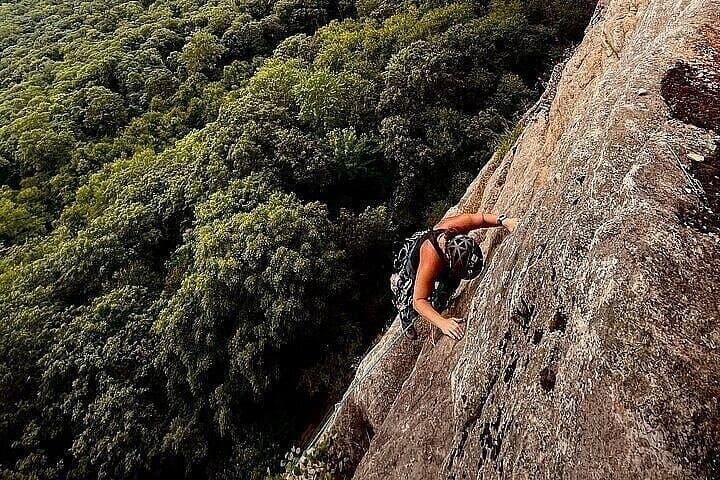
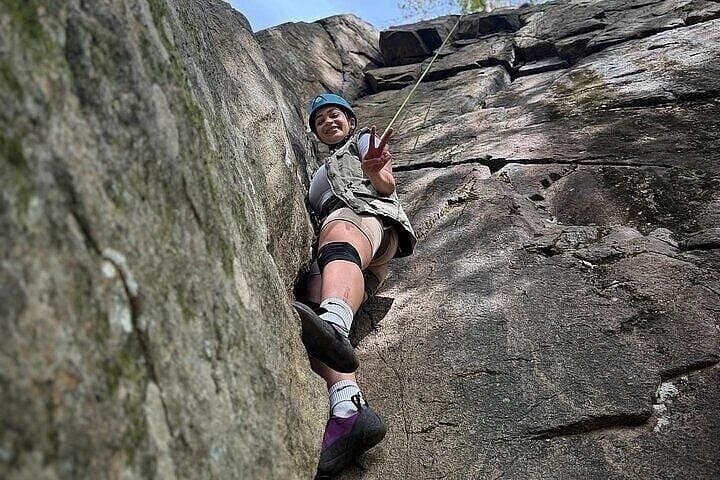
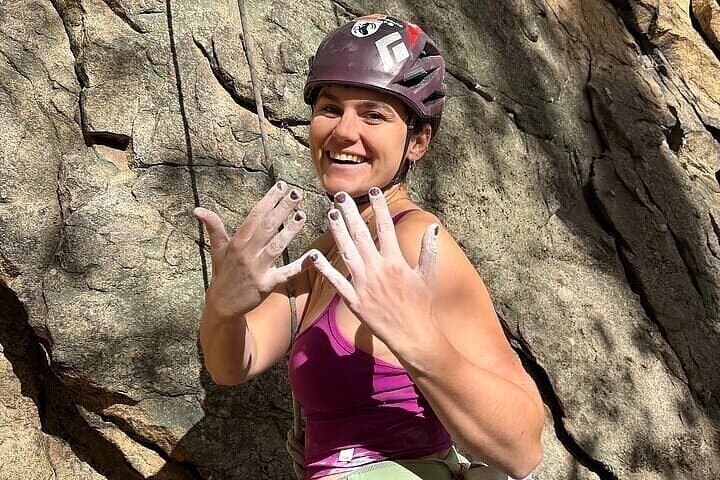
You arrive at the base of a sheer face where the river below pushes against the gap and the cliff seems to dare you to climb. Morning light cuts across rough flakes of rock; your rope coils at your feet, and a guide outlines a plan tuned to your current skillset—anchor systems, efficient footwork, or multi-pitch transitions.
You arrive at the base of a sheer face where the river below pushes against the gap and the cliff seems to dare you to climb. Morning light cuts across rough flakes of rock; your rope coils at your feet, and a guide outlines a plan tuned to your current skillset—anchor systems, efficient footwork, or multi-pitch transitions.
This six-hour, student-centered session takes place in the Delaware Water Gap region, a long-studied corridor where Paleozoic sedimentary layers were folded and uplifted to create steep ridgelines and single-pitch cliffs. The area has a climbing history rooted in local outdoor clubs and early New Jersey–Pennsylvania alpinism; routes here often follow natural seams and ledges carved through sandstone, conglomerate and shale. Local climbing culture emphasizes leave-no-trace ethics and careful anchor-building because the rock is worked but not unlimited.
Expect primarily single-pitch routes ranging roughly 30–150 feet with short approaches—most walks are under 30 minutes and involve modest elevation gain (typically under 300 feet). The day is practical: hands-on anchor construction, knot and hitch drills, rope management, and, if requested, moving onto multi-pitch techniques and basic self-rescue.
Plan for a long, active day—start early to avoid heat, bring 2–3 liters of water, small high-calorie snacks, and layered clothing for variable winds in the gap. Sturdy shoes for approach terrain and sticky climbing shoes for the rock are essential; harness, helmet and shoes are provided per the operator. Communicate prior experience when booking so your guide tailors objectives; this is about building autonomy and safe judgment on real rock.