THE ADVENTURE COLLECTIVE® · Independent discovery and booking for outdoor travel

Enter a quiet tea house in Nara for a two-hour, small-group immersion with a geisha: Ozashiki games, kimono draping, shamisen demonstrations, and local sake tasting. Practical, intimate, and guided in multiple languages.
Enter a quiet tea house in Nara for a two-hour, small-group immersion with a geisha: Ozashiki games, kimono draping, shamisen demonstrations, and local sake tasting. Practical, intimate, and guided in multiple languages.
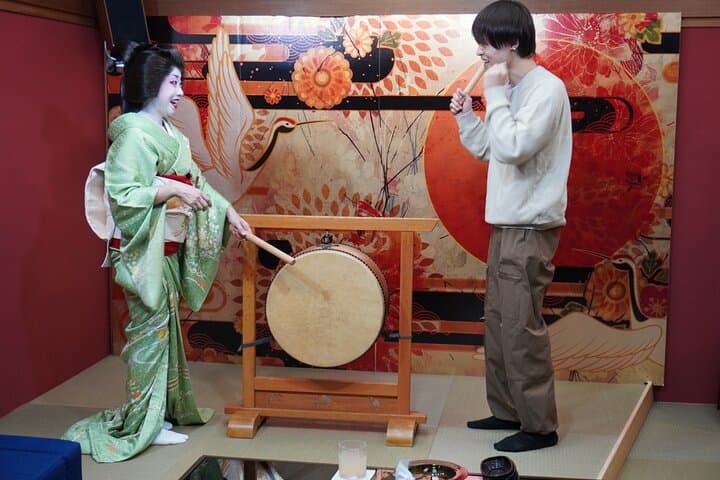
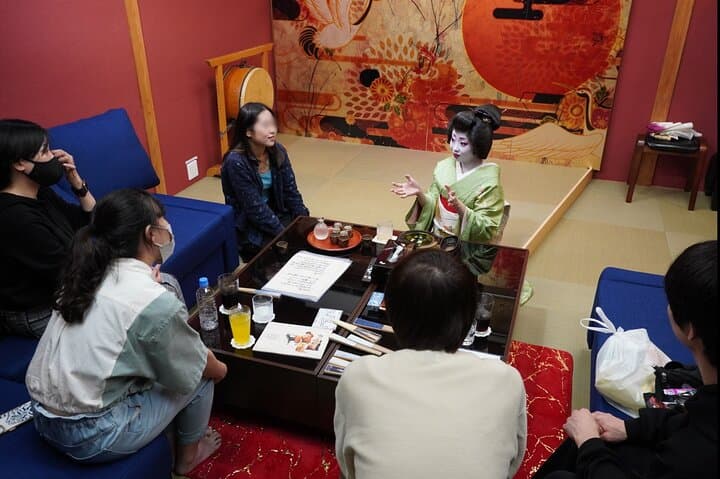
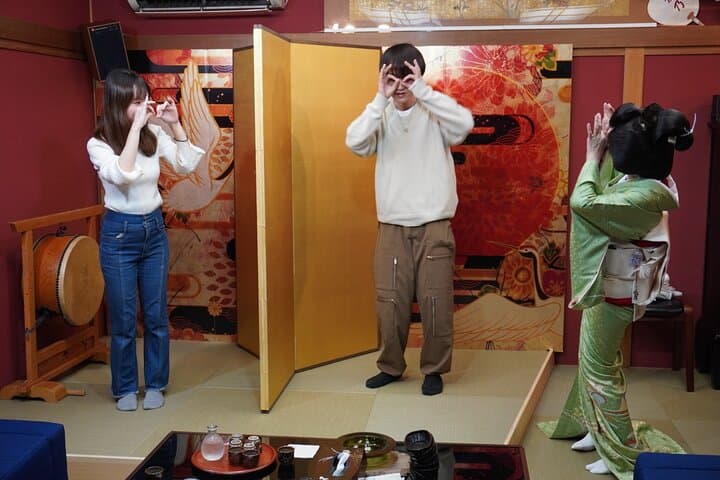
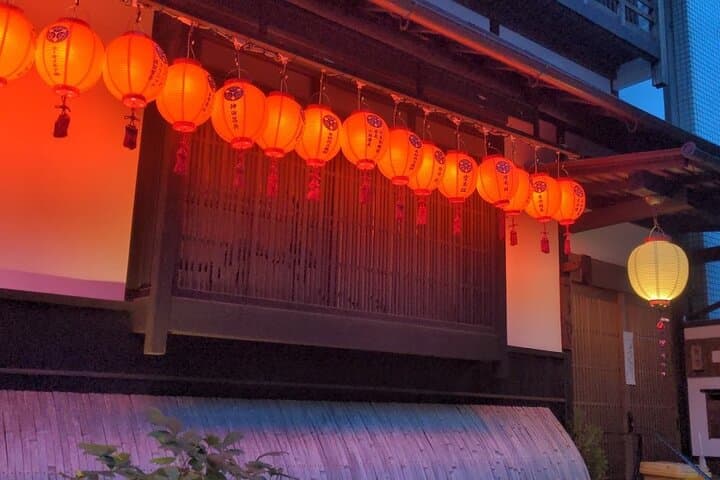
You step through a low wooden gate into a small tea house where paper screens filter winter light and the tatami floor holds the quiet of conversation. A geisha in layered kimono moves with practiced economy, guiding guests through Ozashiki games and the muted rhythm of a shamisen. The room smells faintly of polished wood and warm sake; outside, the nearby trees at Nara Park breathe cool air that slips through open shutters.
Verified experiences and guided adventures in the surrounding area.
Operated by Nara Gala Japan Tour · Nara, Nara Prefecture
You step through a low wooden gate into a small tea house where paper screens filter winter light and the tatami floor holds the quiet of conversation. A geisha in layered kimono moves with practiced economy, guiding guests through Ozashiki games and the muted rhythm of a shamisen. The room smells faintly of polished wood and warm sake; outside, the nearby trees at Nara Park breathe cool air that slips through open shutters.
Nara was Japan’s first permanent capital and much of the town’s cultural DNA comes from that long history — wooden temples, stone lanterns, and artisanal crafts. Geisha tradition, shaped in Edo and refined in regional tea houses, emphasizes performance, hospitality, and craft: wig styling, sensu fans, and taiko drums are all tools of a practiced trade. Nara’s sake-making history also runs deep; rice, water, and temperature gave this region distinct flavors that pair naturally with the intimate tea-house setting.
Practically, this is a two-hour, small-group experience (up to 12) a 10–15 minute walk from Kintetsu Nara Station and Nara Park. Expect light hands-on elements — trying on a kimono drape, playing simple taiko rhythms, tasting local sake, and guided Q&A. Respectful behavior is essential: follow the host’s photo guidance, remove shoes where requested, and decline tipping (not customary in Japan). Bring a compact camera, comfortable shoes for the short walk, and an openness to ask questions — the guides are multilingual and the setting rewards curiosity with close, informed interaction.
easy.
2 hours.
Suitable for all fitness levels; mostly seated and light standing/movement
The program is two hours long and runs in small groups (up to 12 guests).
Yes, posed photos with a geisha and props are typically offered, but always confirm with the host before close shots or flash photography.
The tea house is a 10–15 minute walk from Kintetsu Nara Station and a short stroll from Nara Park; follow local signage or use the meeting instructions provided at booking.
Guides are multilingual (English, Japanese, Mandarin, Cantonese); the venue is traditional and may have limited accessibility—contact the operator for specific needs.
Nara was Japan’s first permanent capital (8th century) and its wooden architecture and craft traditions inform the intimate tea-house rituals you’ll see.
The tea houses and local operators prioritize preserving traditional interiors and minimizing waste; follow host guidance to protect fragile flooring and artifacts.
Nara Gala Japan Tour operates guided outdoor trips and adventures with an emphasis on safety, stewardship, and memorable experiences.
You step through a low wooden gate into a small tea house where paper screens filter winter light and the tatami floor holds the quiet of conversation. A geisha in layered kimono moves with practiced economy, guiding guests through Ozashiki games and the muted rhythm of a shamisen. The room smells faintly of polished wood and warm sake; outside, the nearby trees at Nara Park breathe cool air that slips through open shutters.
You step through a low wooden gate into a small tea house where paper screens filter winter light and the tatami floor holds the quiet of conversation. A geisha in layered kimono moves with practiced economy, guiding guests through Ozashiki games and the muted rhythm of a shamisen. The room smells faintly of polished wood and warm sake; outside, the nearby trees at Nara Park breathe cool air that slips through open shutters.
Nara was Japan’s first permanent capital and much of the town’s cultural DNA comes from that long history — wooden temples, stone lanterns, and artisanal crafts. Geisha tradition, shaped in Edo and refined in regional tea houses, emphasizes performance, hospitality, and craft: wig styling, sensu fans, and taiko drums are all tools of a practiced trade. Nara’s sake-making history also runs deep; rice, water, and temperature gave this region distinct flavors that pair naturally with the intimate tea-house setting.
Practically, this is a two-hour, small-group experience (up to 12) a 10–15 minute walk from Kintetsu Nara Station and Nara Park. Expect light hands-on elements — trying on a kimono drape, playing simple taiko rhythms, tasting local sake, and guided Q&A. Respectful behavior is essential: follow the host’s photo guidance, remove shoes where requested, and decline tipping (not customary in Japan). Bring a compact camera, comfortable shoes for the short walk, and an openness to ask questions — the guides are multilingual and the setting rewards curiosity with close, informed interaction.