THE ADVENTURE COLLECTIVE® · Independent discovery and booking for outdoor travel

Spend 90 minutes with a local through Montpellier’s most photogenic corners, from cathedral spires to legal graffiti walls. This compact photo walk mixes architectural highlights, street art, and practical tips for capturing the city’s light.
Spend 90 minutes with a local through Montpellier’s most photogenic corners, from cathedral spires to legal graffiti walls. This compact photo walk mixes architectural highlights, street art, and practical tips for capturing the city’s light.
The morning light pours through narrow streets off Place de la Comédie, catching the pale stone façades and sending long, warm shadows across tram tracks. On a ninety-minute stroll with a local, you move through that light—pausing for a low-angle shot of Montpellier Cathedral’s twin towers, angling for the layered graffiti at Quai du Versandon, and catching the sculpted symmetry around Place Rondelet.
Verified experiences and guided adventures in the surrounding area.
Operated by LocalBini - The go-to platform for Experiences by Locals in Europe · Montpellier, Occitanie
The morning light pours through narrow streets off Place de la Comédie, catching the pale stone façades and sending long, warm shadows across tram tracks. On a ninety-minute stroll with a local, you move through that light—pausing for a low-angle shot of Montpellier Cathedral’s twin towers, angling for the layered graffiti at Quai du Versandon, and catching the sculpted symmetry around Place Rondelet.
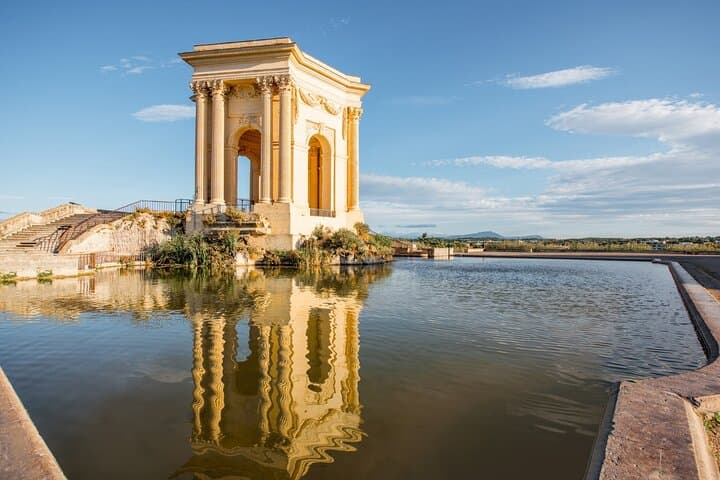
Montpellier grew from a medieval university town into a modern southern city; its architecture mixes Romanesque and Gothic church façades with 19th-century promenades and bold contemporary street art. The limestone of Languedoc gives buildings a soft, sun-washed palette, while the nearby Lez river occasionally slips into frame with reflections that brighten dusk shots.
Culture here is public and performative: markets, student life, and street artists shape spontaneous scenes. A local guide points out framing opportunities—archways, reflective storefronts, and painted doors—while explaining why certain facades have legal mural permits and others don’t.
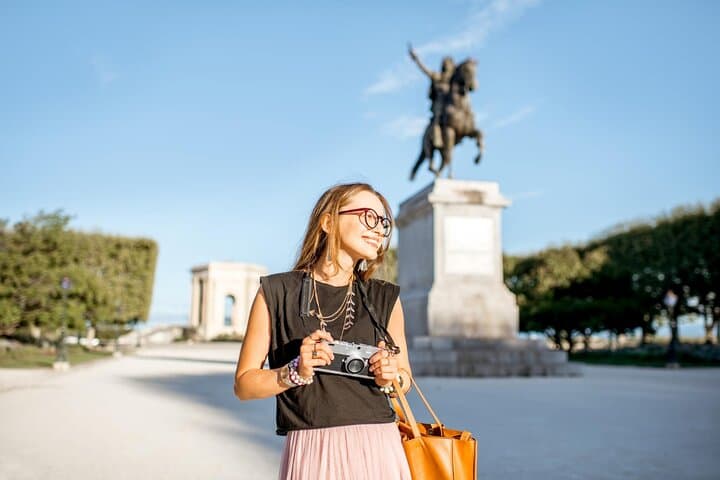
Practical side: the route is flat and walkable, suitable for phones and small cameras; expect cobbles, short stair runs, and pedestrian-only alleys. Aim for golden hour for the best color; mid-day produces harsh contrast but strong details. Wear supportive shoes, carry a lightweight tripod or clamp for low-light phone photos, and be ready to adapt—some murals change often and access to private courtyards is restricted. Bring water and a transit pass if you want to extend the walk independently afterward. This tour trades elevation for composition—here, your best climbs are creative ones, toward better angles and fresher perspectives.
easy.
1.5 hours.
Suitable for all fitness levels; involves standing and walking on flat to mildly uneven pavement for up to 90 minutes.
The tour is 90 minutes and covers a compact route through Montpellier’s historic center—expect about 1.5–2 km of walking with frequent stops.
No; the tour stops for exterior photography and commentary—museum or cathedral entry fees are not included.
Yes, the route is stroller-accessible, though some cobblestone stretches can be bumpy; small children should be supervised.
Stops may change depending on weather; the guide can adapt the route to covered areas or reschedule according to the host’s cancellation policy.
Montpellier’s core grew around a medieval university founded in the 12th century; the city’s mix of Gothic churches and 18th–19th-century promenades reflects that long civic evolution.
Street art sites are often part of regulated programs—respect legal murals and avoid tagging; practice leave-no-trace by not disturbing historic fabric or private property.
LocalBini - The go-to platform for Experiences by Locals in Europe operates guided outdoor trips and adventures with an emphasis on safety, stewardship, and memorable experiences.
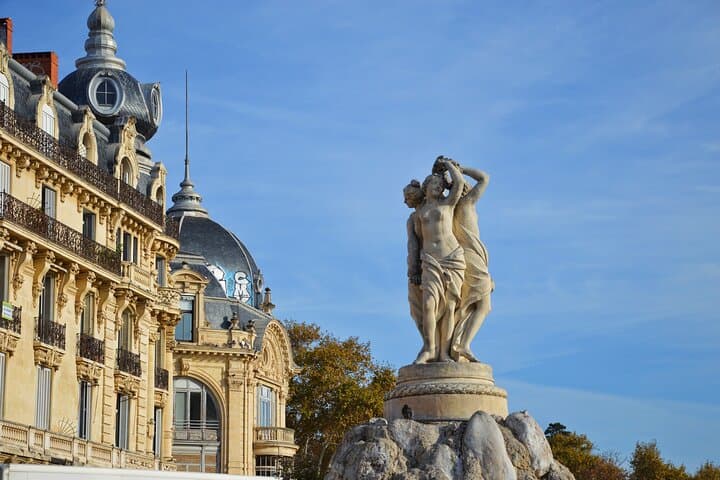
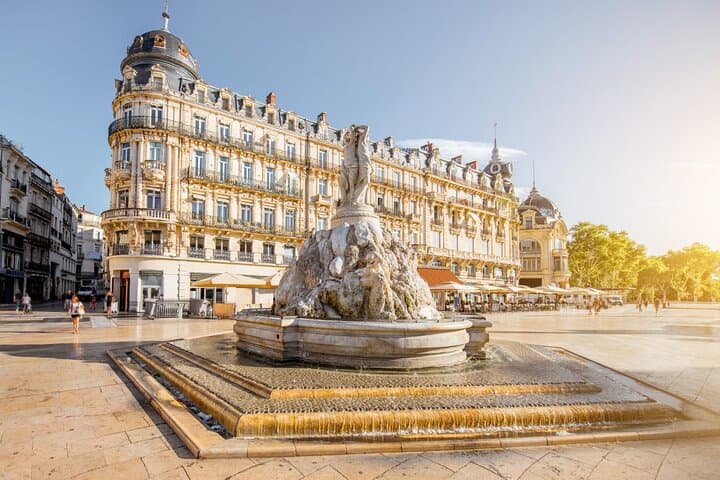
The morning light pours through narrow streets off Place de la Comédie, catching the pale stone façades and sending long, warm shadows across tram tracks. On a ninety-minute stroll with a local, you move through that light—pausing for a low-angle shot of Montpellier Cathedral’s twin towers, angling for the layered graffiti at Quai du Versandon, and catching the sculpted symmetry around Place Rondelet.
The morning light pours through narrow streets off Place de la Comédie, catching the pale stone façades and sending long, warm shadows across tram tracks. On a ninety-minute stroll with a local, you move through that light—pausing for a low-angle shot of Montpellier Cathedral’s twin towers, angling for the layered graffiti at Quai du Versandon, and catching the sculpted symmetry around Place Rondelet.
Montpellier grew from a medieval university town into a modern southern city; its architecture mixes Romanesque and Gothic church façades with 19th-century promenades and bold contemporary street art. The limestone of Languedoc gives buildings a soft, sun-washed palette, while the nearby Lez river occasionally slips into frame with reflections that brighten dusk shots.
Culture here is public and performative: markets, student life, and street artists shape spontaneous scenes. A local guide points out framing opportunities—archways, reflective storefronts, and painted doors—while explaining why certain facades have legal mural permits and others don’t.
Practical side: the route is flat and walkable, suitable for phones and small cameras; expect cobbles, short stair runs, and pedestrian-only alleys. Aim for golden hour for the best color; mid-day produces harsh contrast but strong details. Wear supportive shoes, carry a lightweight tripod or clamp for low-light phone photos, and be ready to adapt—some murals change often and access to private courtyards is restricted. Bring water and a transit pass if you want to extend the walk independently afterward. This tour trades elevation for composition—here, your best climbs are creative ones, toward better angles and fresher perspectives.