THE ADVENTURE COLLECTIVE® · Independent discovery and booking for outdoor travel

Walk through pastel streets, secret mews, and Portobello Road with a guide and videographer who craft Instagram reels from your stops. This private 2-hour Notting Hill tour pairs architectural history with practical photo guidance.
Walk through pastel streets, secret mews, and Portobello Road with a guide and videographer who craft Instagram reels from your stops. This private 2-hour Notting Hill tour pairs architectural history with practical photo guidance.
The tour begins on a bright pavement outside Clarendon Cross, where pastel facades lean toward one another like old friends. Guides steer the group into narrow mews and along terraces whose stucco fronts and sash windows record the area's Victorian expansion. Flower stalls punctuate the walk; bouquets spill color and scent into the street as if urging you to step closer for a frame.
Verified experiences and guided adventures in the surrounding area.
Operated by Pigeon Tours · London, England
The tour begins on a bright pavement outside Clarendon Cross, where pastel facades lean toward one another like old friends. Guides steer the group into narrow mews and along terraces whose stucco fronts and sash windows record the area's Victorian expansion. Flower stalls punctuate the walk; bouquets spill color and scent into the street as if urging you to step closer for a frame.
Notting Hill’s story is visible in its architecture and markets. Once built on London clay during the mid-19th century boom, the neighborhood became a magnet for antiques dealers in the 20th century and later turned into a cultural crossroads—home to the Portobello Road market and the annual Carnival that changed the area's identity. The streets themselves chart layers of social history: mews that sheltered coachmen, grand townhouses reimagined as flats, and long-running shops that attracted creatives and collectors.
On this private two-hour walk, expect a steady urban pace over mostly flat pavement, frequent photo stops at mews gardens and floral displays, and short stories about local inhabitants and film locations. A videographer accompanies you to capture short-form clips for social platforms; edited reels are delivered the next day.
Practical notes: aim for morning light to avoid crowds, wear comfortable shoes for cobbles and curbs, and bring a lightweight rain layer—London weather turns quickly. Respect residential privacy when shooting, and keep noise low on narrow streets. With a little planning, the route yields strong visuals, local history, and efficient storytelling-ready footage.
moderate.
2 hours.
Light-to-moderate: mostly flat walking with frequent stops and brief standing for filming
The meeting point is Clarendon Cross near the Cross shop; exact details and a map are provided at booking.
Yes—short edited Instagram reels are delivered to participants the day after the tour.
Yes; the tour notes wheelchair accessibility but some streets have uneven surfaces—contact the operator to confirm route adjustments.
Guides are happy to suggest frames and local backdrops; discuss specific stop requests when booking to tailor the route.
Notting Hill expanded in the mid-19th century on London clay; Portobello Road evolved from a local street market into a major antiques and cultural hub in the 20th century.
Respect private mews and residential gardens when shooting, avoid littering, and keep group sizes modest to reduce wear on narrow streets.
Pigeon Tours operates guided outdoor trips and adventures with an emphasis on safety, stewardship, and memorable experiences.

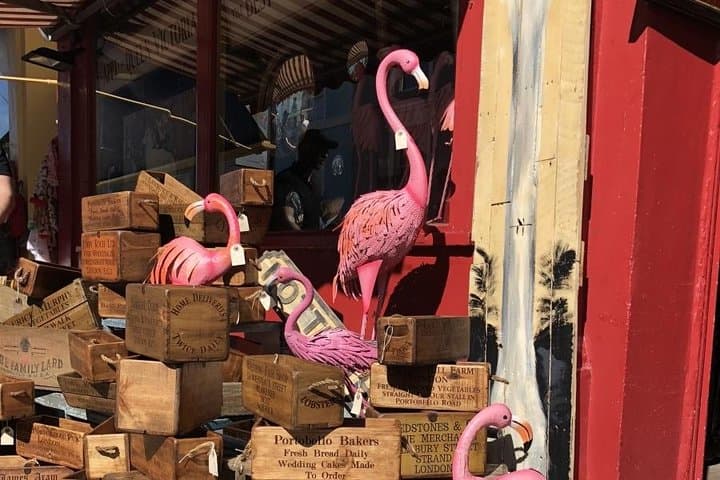
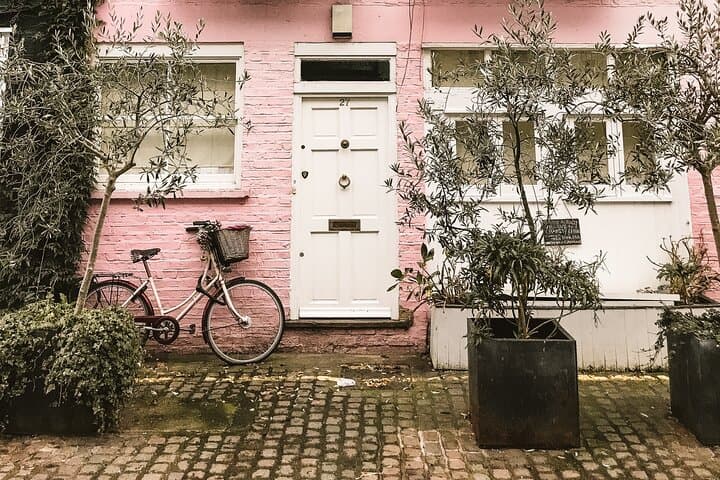
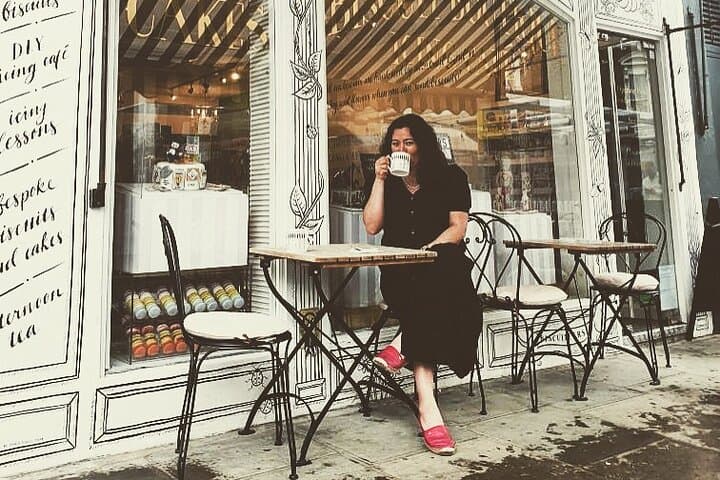
The tour begins on a bright pavement outside Clarendon Cross, where pastel facades lean toward one another like old friends. Guides steer the group into narrow mews and along terraces whose stucco fronts and sash windows record the area's Victorian expansion. Flower stalls punctuate the walk; bouquets spill color and scent into the street as if urging you to step closer for a frame.
The tour begins on a bright pavement outside Clarendon Cross, where pastel facades lean toward one another like old friends. Guides steer the group into narrow mews and along terraces whose stucco fronts and sash windows record the area's Victorian expansion. Flower stalls punctuate the walk; bouquets spill color and scent into the street as if urging you to step closer for a frame.
Notting Hill’s story is visible in its architecture and markets. Once built on London clay during the mid-19th century boom, the neighborhood became a magnet for antiques dealers in the 20th century and later turned into a cultural crossroads—home to the Portobello Road market and the annual Carnival that changed the area's identity. The streets themselves chart layers of social history: mews that sheltered coachmen, grand townhouses reimagined as flats, and long-running shops that attracted creatives and collectors.
On this private two-hour walk, expect a steady urban pace over mostly flat pavement, frequent photo stops at mews gardens and floral displays, and short stories about local inhabitants and film locations. A videographer accompanies you to capture short-form clips for social platforms; edited reels are delivered the next day.
Practical notes: aim for morning light to avoid crowds, wear comfortable shoes for cobbles and curbs, and bring a lightweight rain layer—London weather turns quickly. Respect residential privacy when shooting, and keep noise low on narrow streets. With a little planning, the route yields strong visuals, local history, and efficient storytelling-ready footage.