THE ADVENTURE COLLECTIVE® · Independent discovery and booking for outdoor travel

A camera-first day trip from Tokyo to the classic Fuji viewpoints and Lake Kawaguchiko. Visit Chureito Pagoda, Oishi Park, Oshino Hakkai and the local Lawson photo spot with a guide who times stops for the best light.
A camera-first day trip from Tokyo to the classic Fuji viewpoints and Lake Kawaguchiko. Visit Chureito Pagoda, Oishi Park, Oshino Hakkai and the local Lawson photo spot with a guide who times stops for the best light.
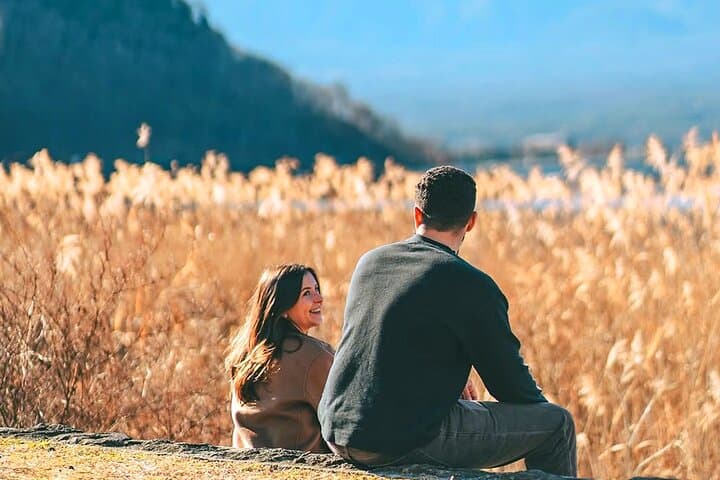
You step out of the air-conditioned van and the mountain claims the horizon — Mount Fuji looms, patient and enormous, while Lake Kawaguchiko mirrors its silhouette like a second, quieter summit.
Verified experiences and guided adventures in the surrounding area.
Operated by QHTravel · Fujikawaguchiko, Yamanashi
You step out of the air-conditioned van and the mountain claims the horizon — Mount Fuji looms, patient and enormous, while Lake Kawaguchiko mirrors its silhouette like a second, quieter summit.
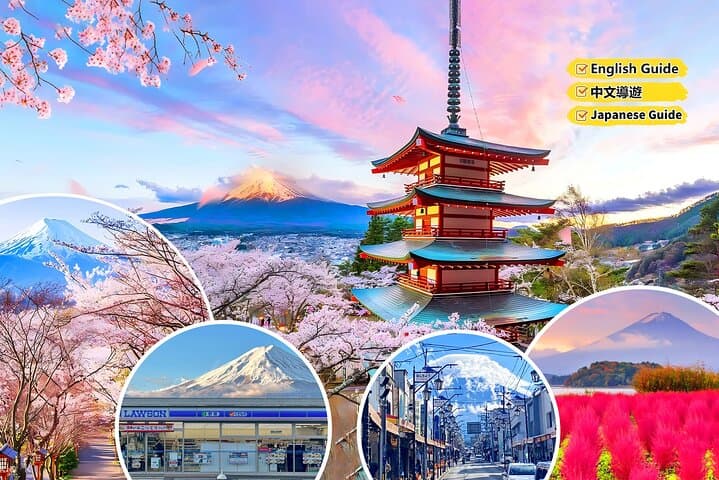
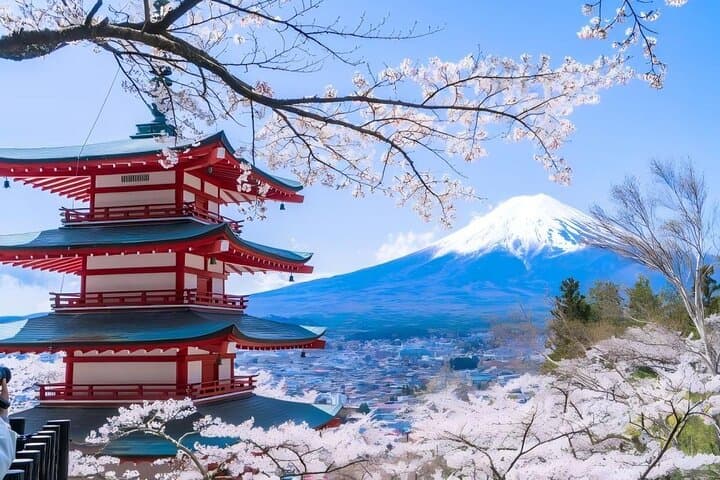
This full-day loop threads through viewpoints that photographers covet: the Chureito Pagoda’s red beams framing Fuji across Fujiyoshida’s rooftops; Kawaguchiko’s lakeshore with its Lawson blue storefront as an uncanny modern foreground; the clear spring pools of Oshino Hakkai shaped by centuries of melted snow filtering through volcanic rock.
Geology here is blunt and recent: Fuji’s cone is a stratovolcano of alternating lava and ash, its eruptions shaping valleys and feeding the aquifers that feed the springs. Culturally, Fuji has been both a Shinto object of reverence and a subject of artists from Hokusai to modern Instagrammers; the region’s festivals—lavender in early summer, cherry blossom in spring, kochia flames in autumn—add seasonal color to its visual repertoire.
Expect a guided, mostly seated day with short photo stops and light walking—the pagoda climb is 397 steps. Crowds swell at sunrise and at classic viewpoints; weather can erase the mountain in hours. Practical choices matter: shoot with a mid-range zoom, bring layered clothing (wind off the lake is sharp), and carry small change for local stalls.
Whether you want a clean Fuji reflection, a pagoda portrait, or lavender framing the peak, this is a photographic reconnaissance: efficient, photo-focused, and tightly paced—built to get you to the right place at the right light and back to Tokyo by night.
easy.
8–10 hours.
Minimal fitness required; must be able to climb short flights of steps and stand for photo sessions
The tour runs about 8–10 hours round trip; travel time depends on traffic but typically 2–2.5 hours each way by van.
No — visibility depends on weather; Fuji can be obscured by clouds or haze, especially in summer afternoons.
Most outdoor viewpoints are public and have no admission fee; the tour covers transport and guide services as described.
Yes—walking is light, but the 397-step climb to Chureito Pagoda may be strenuous; elders over 70 are advised to travel with family support per provider notes.
Mount Fuji’s eruptions over millennia created the alluvial plains and aquifers that feed Kawaguchiko and the springs; the mountain has held religious and artistic significance in Japan for centuries.
Stick to marked paths and avoid trampling seasonal plantings; drones and flash photography may be restricted to protect wildlife and local privacy.
QHTravel operates guided outdoor trips and adventures with an emphasis on safety, stewardship, and memorable experiences.

You step out of the air-conditioned van and the mountain claims the horizon — Mount Fuji looms, patient and enormous, while Lake Kawaguchiko mirrors its silhouette like a second, quieter summit.
You step out of the air-conditioned van and the mountain claims the horizon — Mount Fuji looms, patient and enormous, while Lake Kawaguchiko mirrors its silhouette like a second, quieter summit.
This full-day loop threads through viewpoints that photographers covet: the Chureito Pagoda’s red beams framing Fuji across Fujiyoshida’s rooftops; Kawaguchiko’s lakeshore with its Lawson blue storefront as an uncanny modern foreground; the clear spring pools of Oshino Hakkai shaped by centuries of melted snow filtering through volcanic rock.
Geology here is blunt and recent: Fuji’s cone is a stratovolcano of alternating lava and ash, its eruptions shaping valleys and feeding the aquifers that feed the springs. Culturally, Fuji has been both a Shinto object of reverence and a subject of artists from Hokusai to modern Instagrammers; the region’s festivals—lavender in early summer, cherry blossom in spring, kochia flames in autumn—add seasonal color to its visual repertoire.
Expect a guided, mostly seated day with short photo stops and light walking—the pagoda climb is 397 steps. Crowds swell at sunrise and at classic viewpoints; weather can erase the mountain in hours. Practical choices matter: shoot with a mid-range zoom, bring layered clothing (wind off the lake is sharp), and carry small change for local stalls.
Whether you want a clean Fuji reflection, a pagoda portrait, or lavender framing the peak, this is a photographic reconnaissance: efficient, photo-focused, and tightly paced—built to get you to the right place at the right light and back to Tokyo by night.