THE ADVENTURE COLLECTIVE® · Independent discovery and booking for outdoor travel

Walk through Liverpool’s streets to meet the men whose lives shaped the city — workers, thinkers and community builders. This two‑hour guided tour combines accessible stops, one Cathedral entry and grounded storytelling that links individual lives to Liverpool’s maritime and industrial history.
Walk through Liverpool’s streets to meet the men whose lives shaped the city — workers, thinkers and community builders. This two‑hour guided tour combines accessible stops, one Cathedral entry and grounded storytelling that links individual lives to Liverpool’s maritime and industrial history.
You step off the pavement into a corridor of red-brick facades and listening air — the city seems to inhale its own stories. Streets around the Cathedral, Hope Street and the old docks open like pages; your guide points to a plaque, a doorway, a stubborn cobble and suddenly the lives of local men from different eras press close.
Verified experiences and guided adventures in the surrounding area.
Operated by Liverpool Famous Walking Tours · Liverpool, Merseyside
You step off the pavement into a corridor of red-brick facades and listening air — the city seems to inhale its own stories. Streets around the Cathedral, Hope Street and the old docks open like pages; your guide points to a plaque, a doorway, a stubborn cobble and suddenly the lives of local men from different eras press close.
Liverpool’s identity is maritime and industrial: shipyards, the Mersey’s pull, and 19th-century trade shaped the fortunes and faults of its people. The tour traces men who navigated hardship — workers, activists, artists and faith leaders — and connects those personal stories to the city’s architectural fabric: Victorian warehouses, Georgian terraces and the Cathedral that anchors Hope Street.
Geology and placement matter here too; the tidal Mersey and reclaimed docklands tell of land shaped by commerce and engineering rather than by dramatic peaks. Cultural threads — labour movements, migration, and religious institutions — appear in short, vivid vignettes that situate individual lives in broader social change.
Practically, expect two hours of mostly flat walking in busy urban streets, with short stops at accessible sites and one included entry to the Cathedral. Wear non-slip shoes for cobbles, carry a reusable bottle, and allow time for public-transport connections back into the city. The guide often weaves fundraising for local men's mental-health services into the narrative, so the tour doubles as civic engagement. Whether you’re researching family history or simply want an informed walk through Liverpool’s overlooked social history, the route balances storytelling with a clear, navigable pace.
easy.
2 hours.
Suitable for most fitness levels; requires standing and walking for two hours.
Meeting details are provided at booking; tours typically start near central Liverpool landmarks such as the Cathedral or Hope Street and finish close to public transport links.
Yes — locations and paths are listed as wheelchair and stroller accessible, though cobbles and busy areas mean assistance may be helpful.
Children under 16 must be accompanied by an adult; well‑behaved dogs and service animals are permitted, but remember the group setting.
Full refunds are available if you cancel at least 24 hours before the scheduled departure; tours may be cancelled for bad weather or low bookings.
Liverpool grew rapidly in the 18th–19th centuries as a maritime and industrial hub; the tour highlights men whose lives were tied to shipbuilding, trade and community institutions.
The tour encourages reusable bottles and respectful behavior at heritage sites; preserving historic buildings and reducing litter on routes helps sustain visitor access.
Liverpool Famous Walking Tours operates guided outdoor trips and adventures with an emphasis on safety, stewardship, and memorable experiences.
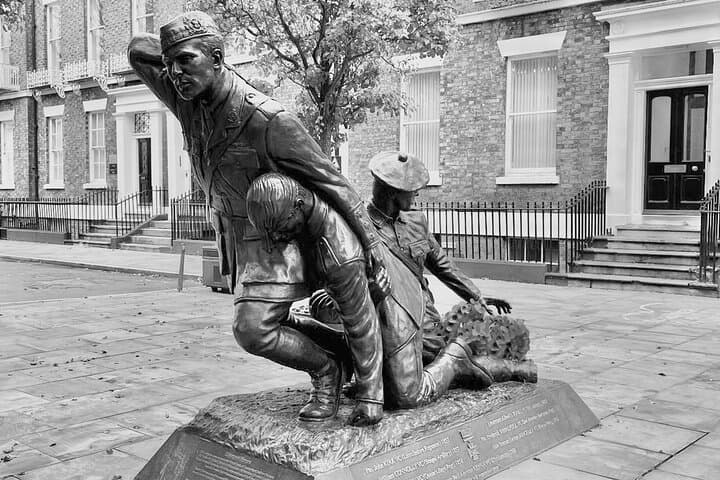
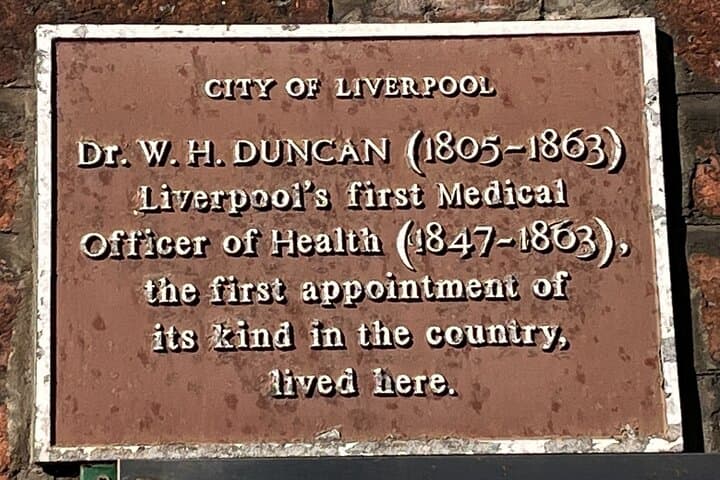
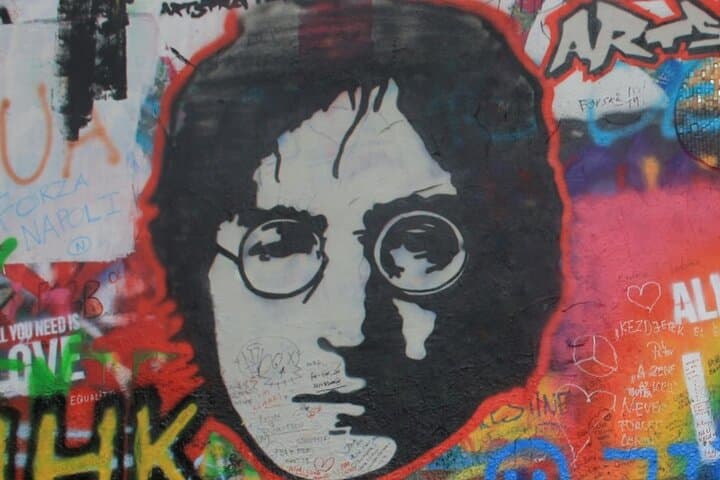
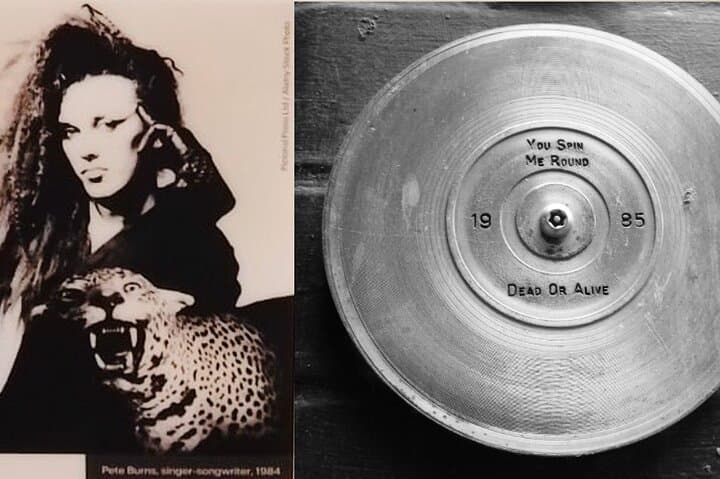
You step off the pavement into a corridor of red-brick facades and listening air — the city seems to inhale its own stories. Streets around the Cathedral, Hope Street and the old docks open like pages; your guide points to a plaque, a doorway, a stubborn cobble and suddenly the lives of local men from different eras press close.
You step off the pavement into a corridor of red-brick facades and listening air — the city seems to inhale its own stories. Streets around the Cathedral, Hope Street and the old docks open like pages; your guide points to a plaque, a doorway, a stubborn cobble and suddenly the lives of local men from different eras press close.
Liverpool’s identity is maritime and industrial: shipyards, the Mersey’s pull, and 19th-century trade shaped the fortunes and faults of its people. The tour traces men who navigated hardship — workers, activists, artists and faith leaders — and connects those personal stories to the city’s architectural fabric: Victorian warehouses, Georgian terraces and the Cathedral that anchors Hope Street.
Geology and placement matter here too; the tidal Mersey and reclaimed docklands tell of land shaped by commerce and engineering rather than by dramatic peaks. Cultural threads — labour movements, migration, and religious institutions — appear in short, vivid vignettes that situate individual lives in broader social change.
Practically, expect two hours of mostly flat walking in busy urban streets, with short stops at accessible sites and one included entry to the Cathedral. Wear non-slip shoes for cobbles, carry a reusable bottle, and allow time for public-transport connections back into the city. The guide often weaves fundraising for local men's mental-health services into the narrative, so the tour doubles as civic engagement. Whether you’re researching family history or simply want an informed walk through Liverpool’s overlooked social history, the route balances storytelling with a clear, navigable pace.