THE ADVENTURE COLLECTIVE® · Independent discovery and booking for outdoor travel

Join a 2‑hour guided exploration of Tate Modern led by an art historian. This small-group tour pairs close-looking with clear context — ideal for curious visitors wanting to understand contemporary art without prior study.
Join a 2‑hour guided exploration of Tate Modern led by an art historian. This small-group tour pairs close-looking with clear context — ideal for curious visitors wanting to understand contemporary art without prior study.
You step from the South Bank into a cavernous hall where light slides across concrete and a river waits just beyond the glass — the Tate Modern feels like a converted engine room that learned how to hold ideas.
Verified experiences and guided adventures in the surrounding area.
Operated by NEJA's Art Walks · London, England
You step from the South Bank into a cavernous hall where light slides across concrete and a river waits just beyond the glass — the Tate Modern feels like a converted engine room that learned how to hold ideas.
The 2‑hour guided visit moves at a deliberate pace: close-looking at key works, stopping to unpick questions about form, context and intent. The building itself began life as Bankside Power Station and was repurposed and reopened as Tate Modern in 2000, becoming part of the national Tate network. Its Turbine Hall and the Blavatnik (Switch House) extension shape how the city and art meet, while the Thames has historically carried both goods and people past this industrial edge.
Expect conversations about modern movements, the shifting status of photography and sculpture, and how curators decide what enters the canon. The guide encourages participation: there are no prerequisites, and the group size is small enough for dialogue.
Practical guidance: the tour includes a free museum ticket and luggage storage; arrive 10–15 minutes early to check in at the meeting point on the museum concourse. The route is fully wheelchair accessible but involves standing and gentle walking across three floors and large galleries. Photography for personal use is generally allowed without flash, but confirm during the tour.
Bring comfortable shoes, plan for variable London weather, and leave an hour after the tour to visit the viewing level in the Blavatnik Building or walk the South Bank. This visit pairs close-looking with cultural context — a compact, conversation-driven way to see one of London’s most talked-about modern art collections.
easy.
2 hours.
Suitable for most fitness levels; involves standing for short periods and up to an hour of walking indoors.
Meet on the Tate Modern concourse near the main entrance; the guide will be wearing a visible badge and will check names before entry.
Yes — the tour and museum are wheelchair accessible, with lifts and accessible routes throughout the galleries.
Photography for personal use is generally permitted in the permanent collection without flash, but always follow guidance given by the guide for specific works.
Yes — the tour welcomes all ages and no prior art knowledge is required; families are encouraged to participate and ask questions.
Tate Modern occupies the converted Bankside Power Station and opened in 2000 as part of the national Tate galleries; its industrial architecture frames much of the visitor experience.
The museum is an example of adaptive reuse of industrial infrastructure; visitors are encouraged to use public transport, and the institution runs sustainability initiatives to reduce its environmental footprint.
NEJA's Art Walks operates guided outdoor trips and adventures with an emphasis on safety, stewardship, and memorable experiences.


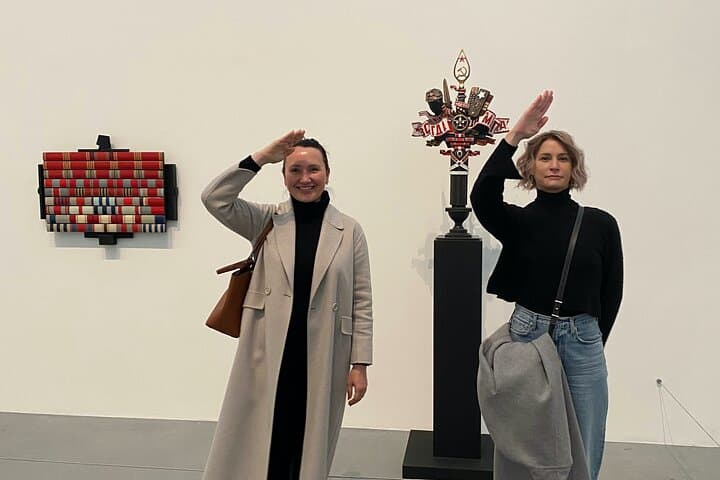
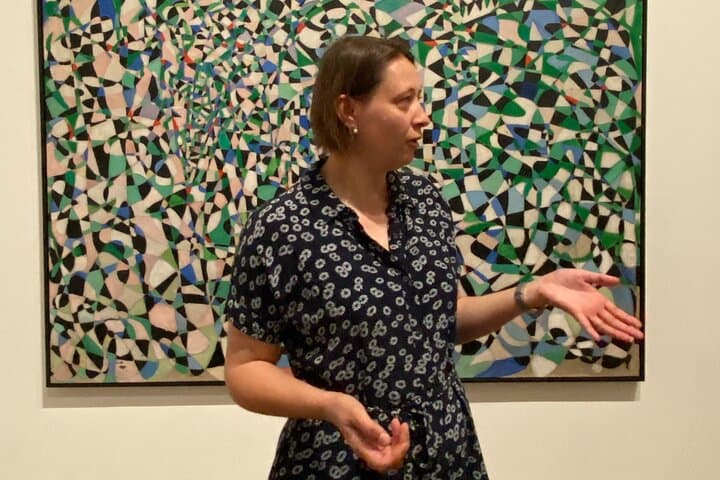
You step from the South Bank into a cavernous hall where light slides across concrete and a river waits just beyond the glass — the Tate Modern feels like a converted engine room that learned how to hold ideas.
You step from the South Bank into a cavernous hall where light slides across concrete and a river waits just beyond the glass — the Tate Modern feels like a converted engine room that learned how to hold ideas.
The 2‑hour guided visit moves at a deliberate pace: close-looking at key works, stopping to unpick questions about form, context and intent. The building itself began life as Bankside Power Station and was repurposed and reopened as Tate Modern in 2000, becoming part of the national Tate network. Its Turbine Hall and the Blavatnik (Switch House) extension shape how the city and art meet, while the Thames has historically carried both goods and people past this industrial edge.
Expect conversations about modern movements, the shifting status of photography and sculpture, and how curators decide what enters the canon. The guide encourages participation: there are no prerequisites, and the group size is small enough for dialogue.
Practical guidance: the tour includes a free museum ticket and luggage storage; arrive 10–15 minutes early to check in at the meeting point on the museum concourse. The route is fully wheelchair accessible but involves standing and gentle walking across three floors and large galleries. Photography for personal use is generally allowed without flash, but confirm during the tour.
Bring comfortable shoes, plan for variable London weather, and leave an hour after the tour to visit the viewing level in the Blavatnik Building or walk the South Bank. This visit pairs close-looking with cultural context — a compact, conversation-driven way to see one of London’s most talked-about modern art collections.