THE ADVENTURE COLLECTIVE® · Independent discovery and booking for outdoor travel

Spend a private 5–7 hour day with Yuuki exploring Tokyo’s subculture neighborhoods—Akihabara, Nakano, and Ikebukuro. Expect exclusive local insights, second-floor collectors’ rooms, and practical tips for navigating crowds and transit.
Spend a private 5–7 hour day with Yuuki exploring Tokyo’s subculture neighborhoods—Akihabara, Nakano, and Ikebukuro. Expect exclusive local insights, second-floor collectors’ rooms, and practical tips for navigating crowds and transit.
You step out of the subway into a cascade of neon and vinyl, the air humming with game jingles and distant train brakes. Guided by Yuuki, the day unfolds as a deliberate thread through Tokyo’s pop-culture neighborhoods—arcades in Akihabara, collector stalls in Nakano, and the crowded merchandising halls of Ikebukuro—each place offering small revelations rather than a single big sight.
Verified experiences and guided adventures in the surrounding area.
Operated by Yuki Ichihara · Tokyo, Tokyo Prefecture
You step out of the subway into a cascade of neon and vinyl, the air humming with game jingles and distant train brakes. Guided by Yuuki, the day unfolds as a deliberate thread through Tokyo’s pop-culture neighborhoods—arcades in Akihabara, collector stalls in Nakano, and the crowded merchandising halls of Ikebukuro—each place offering small revelations rather than a single big sight.
Tokyo’s story is visible in these streets: Edo’s canals were filled, reclaimed and rebuilt into an alluvial plain that supports a city of layered modernity and frequent seismic resets. Postwar electronics markets grew into today’s anime and toy culture; Akihabara and Nakano evolved from repair shops to pilgrimage sites for niche collectors.
Culture here moves fast—limited-edition drops, rotating pop-up events and cafés where character goods and feline company coexist. The city’s infrastructure—efficient trains and narrow alleys—shapes the pace, pushing you from shop to shop with purposeful ease.
Practical guidance: a private, 5–7 hour custom tour covers a lot of ground on foot and by short train rides; expect multiple short stops, occasional stairs, and crowded interiors. Bring a charged phone and IC transit card, budget cash for small vendors, and time your visit to avoid weekend crushes at flagship stores. Hydrate in summer, layer in winter, and follow shop rules for photography; small courtesies keep doors open to the next hidden shop. With a local insider you’ll skip common traps and discover the overlooked counters, second-floor treasure rooms and evening ramen spots that make a Tokyo subculture day feel like discovery rather than a checklist.
easy.
5–7 hours.
Lightly active—comfortable walking for several hours and using public transit; minimal elevation.
No—train and subway fares are not included; bring an IC card (Suica/PASMO) or cash to pay fares during the day.
Yes—this private tour is designed around your interests (anime, vintage toys, gaming); tell the guide your priorities when booking.
Not usually—entrance fees to themed cafés, special exhibitions or aquariums are typically separate and paid on-site unless otherwise specified.
Families with small children can participate; however, there are stairs and crowded indoor areas—notify the operator in advance about mobility needs.
Akihabara and Nakano transformed from postwar electronics markets into modern anime and collectible hubs; Ikebukuro’s Otome Road developed as a center for female-oriented fandoms.
Support small local shops and avoid single-use plastics when buying snacks; use public transit to minimize carbon footprint and help ease congestion in busy districts.
Yuki Ichihara operates guided outdoor trips and adventures with an emphasis on safety, stewardship, and memorable experiences.
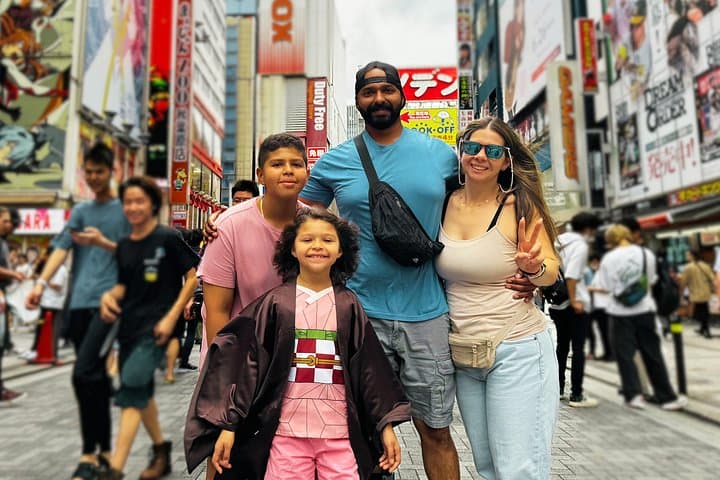
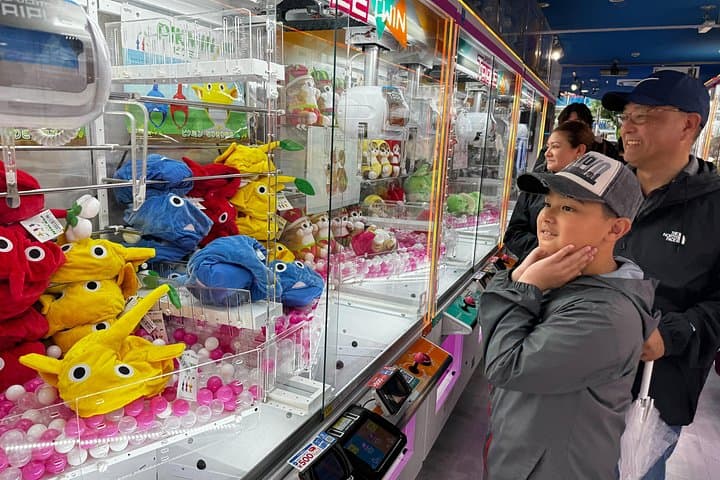
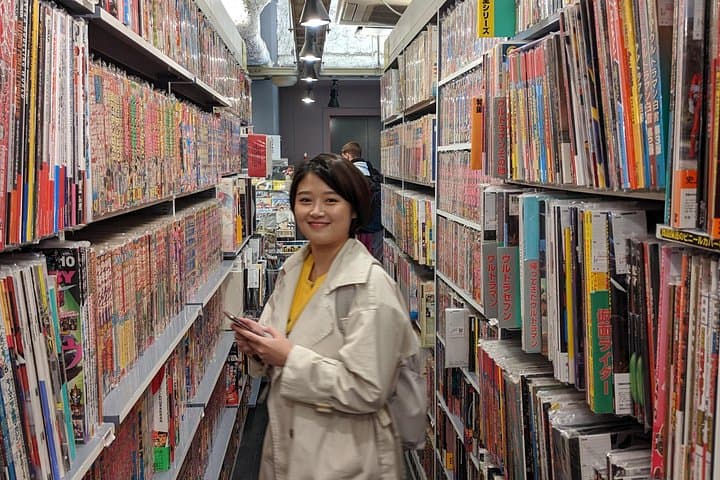
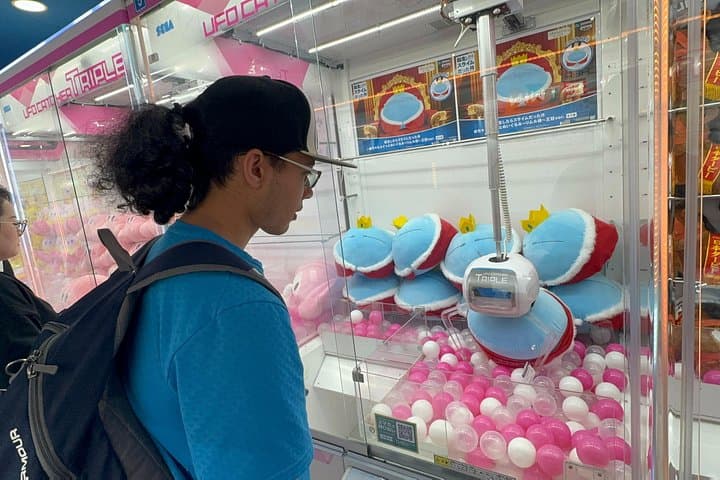
You step out of the subway into a cascade of neon and vinyl, the air humming with game jingles and distant train brakes. Guided by Yuuki, the day unfolds as a deliberate thread through Tokyo’s pop-culture neighborhoods—arcades in Akihabara, collector stalls in Nakano, and the crowded merchandising halls of Ikebukuro—each place offering small revelations rather than a single big sight.
You step out of the subway into a cascade of neon and vinyl, the air humming with game jingles and distant train brakes. Guided by Yuuki, the day unfolds as a deliberate thread through Tokyo’s pop-culture neighborhoods—arcades in Akihabara, collector stalls in Nakano, and the crowded merchandising halls of Ikebukuro—each place offering small revelations rather than a single big sight.
Tokyo’s story is visible in these streets: Edo’s canals were filled, reclaimed and rebuilt into an alluvial plain that supports a city of layered modernity and frequent seismic resets. Postwar electronics markets grew into today’s anime and toy culture; Akihabara and Nakano evolved from repair shops to pilgrimage sites for niche collectors.
Culture here moves fast—limited-edition drops, rotating pop-up events and cafés where character goods and feline company coexist. The city’s infrastructure—efficient trains and narrow alleys—shapes the pace, pushing you from shop to shop with purposeful ease.
Practical guidance: a private, 5–7 hour custom tour covers a lot of ground on foot and by short train rides; expect multiple short stops, occasional stairs, and crowded interiors. Bring a charged phone and IC transit card, budget cash for small vendors, and time your visit to avoid weekend crushes at flagship stores. Hydrate in summer, layer in winter, and follow shop rules for photography; small courtesies keep doors open to the next hidden shop. With a local insider you’ll skip common traps and discover the overlooked counters, second-floor treasure rooms and evening ramen spots that make a Tokyo subculture day feel like discovery rather than a checklist.