THE ADVENTURE COLLECTIVE® · Independent discovery and booking for outdoor travel

Explore Fukuoka on foot and by public transport with a bilingual guide who knows both local rhythms and overseas perspectives. The day mixes markets, gardens, sake tasting, and festival history into a practical, walkable city loop.
Explore Fukuoka on foot and by public transport with a bilingual guide who knows both local rhythms and overseas perspectives. The day mixes markets, gardens, sake tasting, and festival history into a practical, walkable city loop.
A cool morning breeze from Hakata Bay pushes through the streets as you step out of the station—concrete, canal water, and the aroma of simmering pork broth mixing with the clang of tram rails. This full-day walking and public-transport tour threads you through Fukuoka’s neighborhoods: the compact grid of Tenjin, the retro arcades, the quiet paths of a temple garden, and the neon warmth of yatai food stalls at dusk.
Verified experiences and guided adventures in the surrounding area.
Operated by Elisa · Fukuoka, Fukuoka
A cool morning breeze from Hakata Bay pushes through the streets as you step out of the station—concrete, canal water, and the aroma of simmering pork broth mixing with the clang of tram rails. This full-day walking and public-transport tour threads you through Fukuoka’s neighborhoods: the compact grid of Tenjin, the retro arcades, the quiet paths of a temple garden, and the neon warmth of yatai food stalls at dusk.
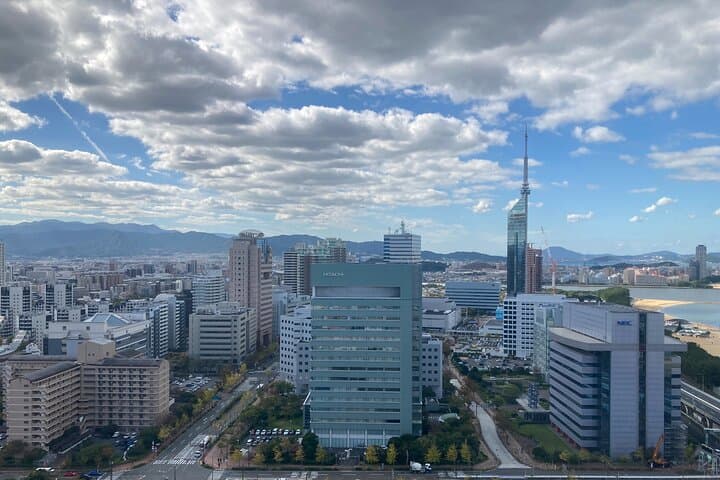
Fukuoka sits on northern Kyushu, shaped by volcanic soils and the tidal sweep of Hakata Bay; its layout reflects centuries of trade and defense, from medieval Hakata merchant districts to the ruined terraces of Fukuoka Castle and the Kushida Shrine that organizes the Yamakasa festival each July. The city’s culture is pragmatic and convivial—ramen bowls, sake breweries within city limits, and subterranean shopping beneath its subway stations are all part of daily life.
Expect mostly flat pavement with short stair sections in older stations and temple sites; distances are walkable but spread out enough to make the included public-transport pass helpful. A bilingual guide who’s lived between Australia and Japan highlights social customs—how to bow, when to remove shoes, and how to order at a stall—so you move through the city with context.
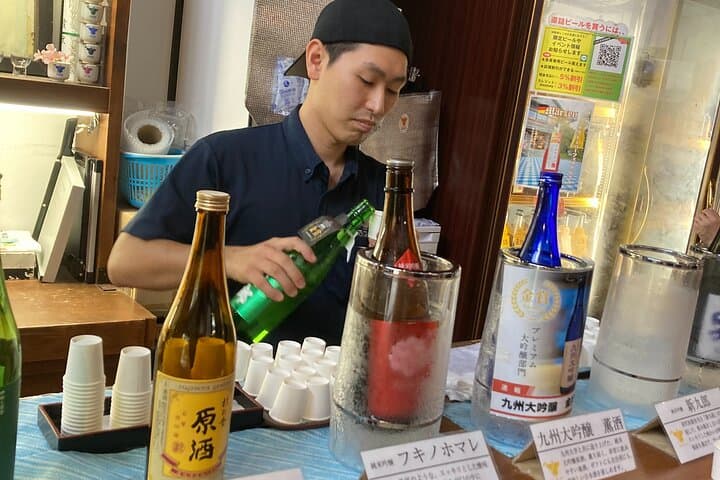
Practical tips: wear comfortable walking shoes, carry cash for small vendors, and plan for frequent stops — temples, a garden, a sake tasting, and Canal City’s fountain show. Hydrate, move at the city’s pace, and be ready to trade convenience for local flavors and stories along the way.
easy.
6–7 hours.
Suitable for people who can walk 8–12 km over a day with short breaks; mostly flat urban terrain.
Expect 8–12 km of mostly flat walking spread across the day, supplemented by short rides on public transport provided with the tour.
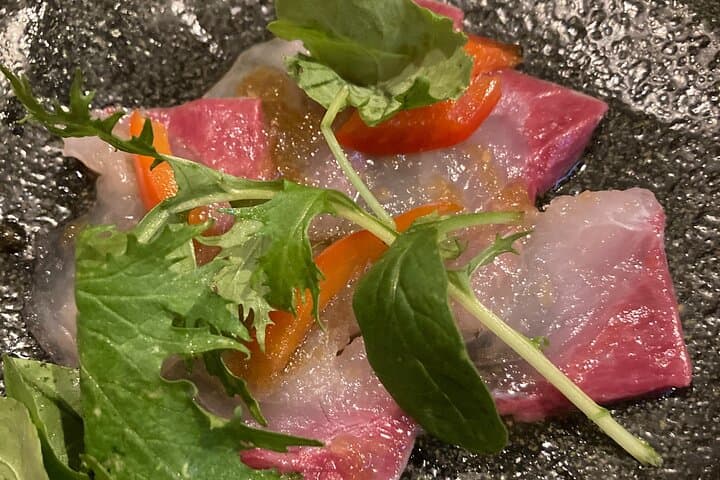
Food and drink purchases are not included; stops will be made at local eateries and yatai so you can sample regional dishes at your own cost.
Yes—stroller access is noted for parts of the route, though some older subway stations and temple steps may require lifting or short detours.
No—the guide is bilingual and will explain customs, menus, and transit navigation; basic phrases are helpful but not required.
Fukuoka grew as a merchant and port city (Hakata) with distinct ties to Korea and China; sites reference Mongol invasion defenses and the Yamakasa festival that still animates the city each summer.
Support small businesses and minimize single-use plastics at food stalls; stick to marked paths in gardens and temples to protect historic landscapes.
Elisa operates guided outdoor trips and adventures with an emphasis on safety, stewardship, and memorable experiences.

A cool morning breeze from Hakata Bay pushes through the streets as you step out of the station—concrete, canal water, and the aroma of simmering pork broth mixing with the clang of tram rails. This full-day walking and public-transport tour threads you through Fukuoka’s neighborhoods: the compact grid of Tenjin, the retro arcades, the quiet paths of a temple garden, and the neon warmth of yatai food stalls at dusk.
A cool morning breeze from Hakata Bay pushes through the streets as you step out of the station—concrete, canal water, and the aroma of simmering pork broth mixing with the clang of tram rails. This full-day walking and public-transport tour threads you through Fukuoka’s neighborhoods: the compact grid of Tenjin, the retro arcades, the quiet paths of a temple garden, and the neon warmth of yatai food stalls at dusk.
Fukuoka sits on northern Kyushu, shaped by volcanic soils and the tidal sweep of Hakata Bay; its layout reflects centuries of trade and defense, from medieval Hakata merchant districts to the ruined terraces of Fukuoka Castle and the Kushida Shrine that organizes the Yamakasa festival each July. The city’s culture is pragmatic and convivial—ramen bowls, sake breweries within city limits, and subterranean shopping beneath its subway stations are all part of daily life.
Expect mostly flat pavement with short stair sections in older stations and temple sites; distances are walkable but spread out enough to make the included public-transport pass helpful. A bilingual guide who’s lived between Australia and Japan highlights social customs—how to bow, when to remove shoes, and how to order at a stall—so you move through the city with context.
Practical tips: wear comfortable walking shoes, carry cash for small vendors, and plan for frequent stops — temples, a garden, a sake tasting, and Canal City’s fountain show. Hydrate, move at the city’s pace, and be ready to trade convenience for local flavors and stories along the way.